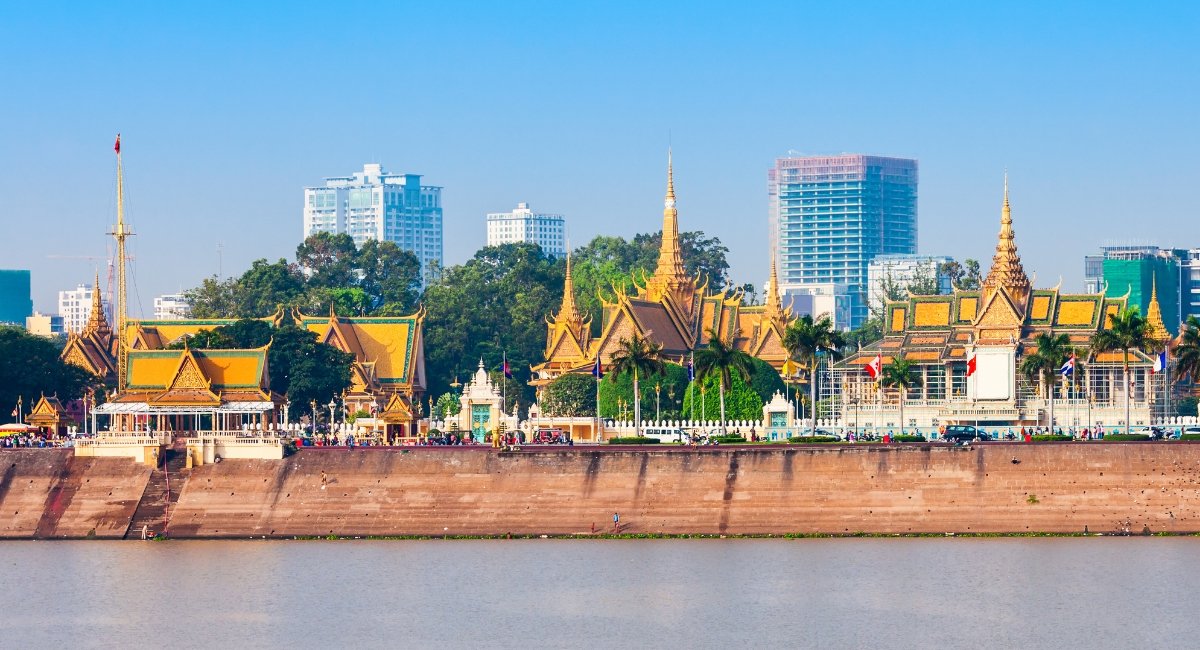
PHNOM PENH – As neighboring Southeast Asian property markets implement aggressive cooling measures and restrictive foreign ownership taxes, Cambodia is positioning itself as the region’s most investor-friendly destination for international real estate capital in 2026.
A market analysis released this week by Riel Property, a Phnom Penh-based real estate platform, argues that traditional regional hubs such as Singapore and Bangkok are losing their appeal to yield-seeking investors due to high entry costs and regulatory barriers. The firm’s thesis centers on what it describes as a “yield rotation” – a shift of investment capital toward jurisdictions offering cleaner ownership structures and lower tax burdens.
Cambodia’s 2010 Strata Title legislation permits foreigners to hold 100 percent freehold ownership of condominium units above the ground floor, a level of legal simplicity that has become increasingly rare in the region. Thailand maintains restrictions on foreign land ownership, while Singapore’s stamp duties have risen substantially for overseas buyers.
“The era of the ‘passive’ Southeast Asian investment is over,” said Thomas Kaspersky, a spokesperson for Riel Property. “Investors are tired of the red tape in Thailand and the prohibitive stamp duties in Singapore. 2026 is the year of the ‘yield rotation,’ where smart money moves into the only jurisdiction offering 100 percent permanent ownership with a low-tax exit strategy.”
The analysis identifies three primary factors driving investor interest toward Cambodia. First, the Kingdom maintains a comparatively light tax regime for foreign property owners, without the punitive levies found in more mature regional markets. Second, unlike leasehold-only frameworks in competing jurisdictions, Cambodia’s freehold structure provides individual ownership rights in perpetuity. Third, the country’s dollarized economy, where the US dollar circulates freely alongside the Cambodian riel, provides a natural currency hedge amid regional exchange rate volatility.
The Phnom Penh condominium market has expanded rapidly over the past decade, with districts such as BKK1, Chroy Changvar, and the emerging Koh Pich development attracting both regional and Western buyers. Rental yields in prime locations continue to outperform regional averages, though market observers note that oversupply in specific segments remains a concern.
Whether Cambodia can sustain its positioning as a freehold alternative will depend on continued regulatory stability and infrastructure development. For now, the Kingdom appears content to welcome capital that neighboring markets have become increasingly complex to deploy in.
Source: “Cambodia: Next Destination for Freehold Property Investment“, asserts that the Kingdom’s Strata Title laws currently offer a level of legal simplicity and capital mobility that is no longer available in more “mature” but over-regulated markets.
Links: https://www.rielproperty.com/ https://www.rielproperty.com/cambodia-freehold-property-investment/