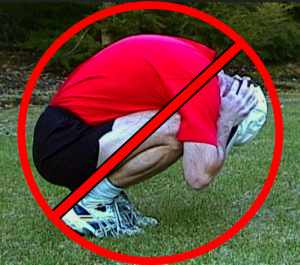
Despite significant advancements in meteorological science, dangerous misinformation regarding lightning safety continues to circulate across the internet and social media. For decades, outdoor enthusiasts, athletes, and students were taught to use the "crouch" position during a thunderstorm to minimize their risk of being struck. However, this outdated recommendation actually provides a false sense of security and leaves individuals dangerously exposed to life-threatening elements. Educators, weather broadcasters, and the general public need accurate, up-to-date guidelines to make split-second decisions when severe weather hits.
The National Lightning Safety Council (NLSC) is leading the charge to eradicate this harmful advice and promote science-backed safety protocols. John Jensenius, a lightning safety specialist, and NLSC lead, recently issued a strong reminder to abandon the "crouch" method in favor of immediate evacuation to a secure shelter. In this interview, we discuss the dangers of outdated safety messaging, the simple truths behind lightning risk reduction, and how the NLSC continues to build lightning-safe communities nationwide.
Q: The "crouch" position was widely taught as a standard safety measure for decades. What specific data or analysis led the National Lightning Safety Council to stop recommending this practice almost twenty years ago?
John Jensenius: “We realized that the longer people stay outdoors during thunderstorms, the more they put themselves at risk. So, we want to discourage people from staying outdoors. If you're caught outside during a thunderstorm, the best plan of action is to move as fast as you can to a safer place. The sooner you get to a safe place, the less risk you’ll face. Crouching only prolongs the risk of being struck.”
Q: Misinformation continues to spread rapidly on social media. How can educators and weather broadcasters better ensure that their safety messaging aligns with the current scientific consensus?
John Jensenius: “We have a vast amount of information on the Council website where educators, broadcasters, government officials and people in general can learn more about lightning safety, lightning protection and risk reduction. We also invite people to like and follow us on LinkedIn, Facebook and X where they can also share our resources and safety tips.”
Q: You emphasize that the best plan of action is moving as fast as possible to a safer place. Can you clarify what qualifies as a genuinely "safe place" for someone caught outdoors during a severe thunderstorm?
John Jensenius: “Substantial buildings (with plumbing) and hard-topped vehicles are safe options and safety standard-compliant lightning protection systems (LPS) make those safe places safer. Also, when inside, it’s important to not touch or contact anything plugged into electrical outlets, plumbing or corded phones. Cell phones and cordless phones are safe. Keep away from outside doors and windows and don’t lie on the garage floor.”
Q: The council also strongly recommends canceling or postponing outdoor activities when thunderstorms are predicted. Why do so many people struggle to make this proactive decision before severe weather actually arrives?
John Jensenius: “People often forget the importance of including ‘weather watching’ as part of their activity plan, but it’s important. Having a lightning safety plan, should mean canceling or postponing activities if thunderstorms are expected. Monitoring weather conditions and having an advance plan to get to a safe place before weather becomes threatening is important and can make the difference between life and death in some situations.”
Q: The phrase "When thunder roars, go indoors!" is memorable and highly effective. How does simplifying safety protocols help reduce injuries and fatalities in high-stress weather situations?
John Jensenius: Simplifying lightning safety with rhymes, short phrases and practical protocols help make education easy to teach and remember for children and adults. The ‘when thunder roars’ rhyme is a quick life-saving reminder that if you can hear thunder, lightning is already close enough to strike.”
Q: Your Council has a long-standing annual Lightning Safety Awareness Week Campaign each year, during the last week in June. Can you share goals for expanding community outreach and long-term risk reduction?
John Jensenius: Obviously, we love to get to a place where no lightning deaths and injuries are occurring. In terms of goals, it would be great to see more media and educators working with us to dispel common myths about lightning and promote lightning safety mitigation–especially in high-risk activities like hiking, boating, fishing, beaching, camping, golfing and team sports. We also have members and partners encouraging the installation of standard-compliant lightning protection systems (LPS), for vulnerable structures and homes, which is part of our “Building Lightning Safe Communities” effort.”
This conversation highlights the critical importance of keeping public safety information accurate and current. Jensenius proves that relying on outdated tactics like the "crouch" only increases vulnerability to unpredictable and deadly weather events. By adopting straightforward, actionable advice, individuals can eliminate unnecessary risks and protect themselves when thunderstorms threaten their area.
Promoting proper weather safety protocols will remain an essential responsibility for community leaders and media professionals. Organizations that actively dispel myths and provide clear guidance empower the public to make life-saving decisions without hesitation. The National Lightning Safety Council sets the gold standard for this vital communication, ensuring that everyone knows exactly what to do when the thunder roars.
To learn more visit the National Lightning Safety Council website at: http://www.lightningsafetycouncil.org/
for resources and shareable information.
###
Media Contact: Kimberly Loehr, National Lightning Safety Council, kim@loehrlightning.com