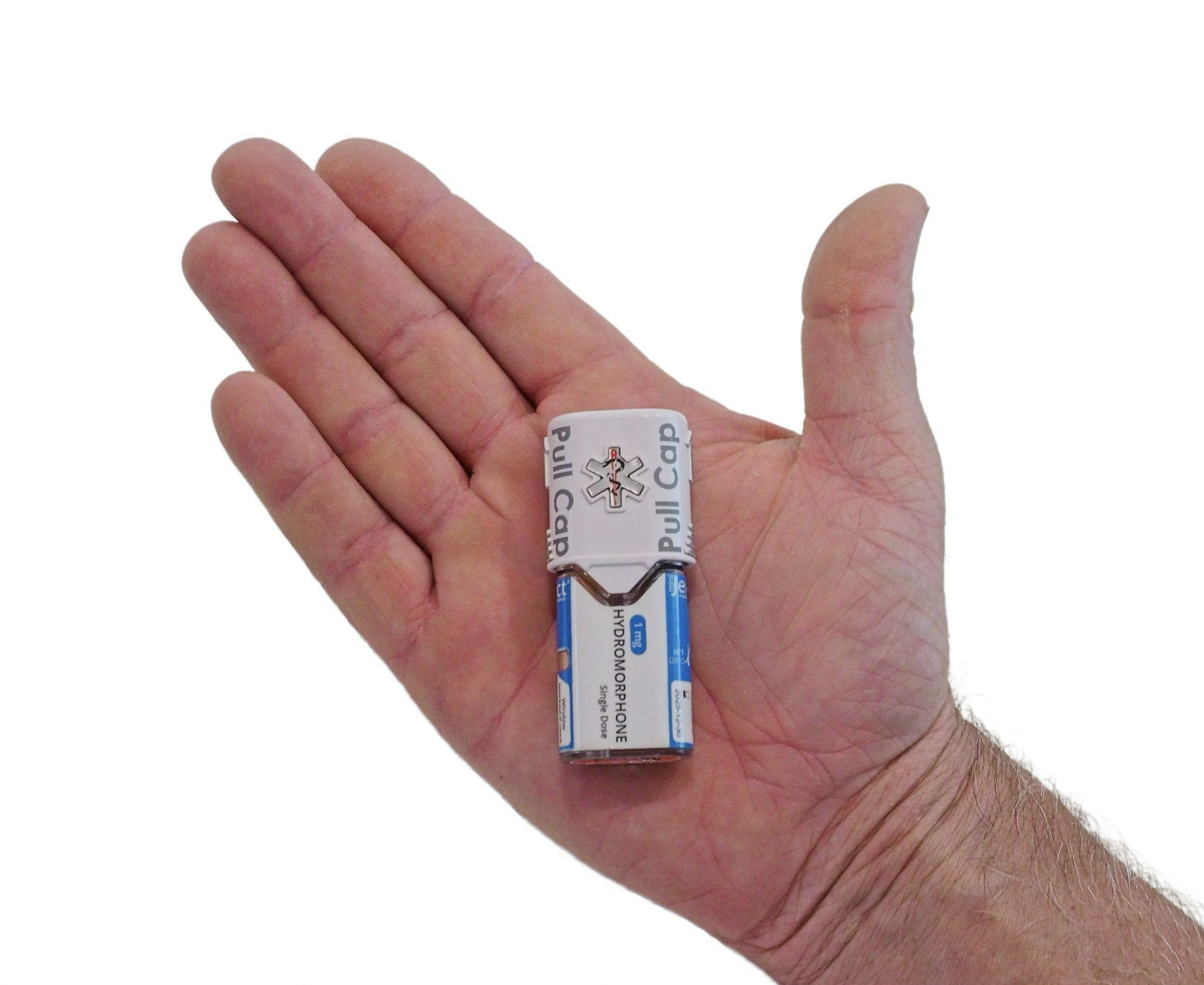
The development of advanced therapeutics, particularly in regenerative medicine and cell-based therapies, relies heavily on supramolecular hydrogels. These water-rich biomaterials are highly effective at carrying therapeutic cells and drugs. However, their high viscosity makes them incredibly difficult to administer using conventional spring-driven auto-injectors. This delivery bottleneck limits patient access and keeps many promising treatments confined to specialized clinical environments.
Rx Bandz has emerged as a leader in solving this problem with its MiniJect® auto-injector. By leveraging an innovative hydraulic platform, the company successfully demonstrated the ability to deliver complex, dynamic hydrogels in collaboration with the University of Notre Dame’s Webber Lab. In this interview, Stephen Harhen, Chief Technology Officer of Rx Bandz, discusses this breakthrough, the mechanics behind the MiniJect,® and the future of next-generation drug delivery.
Q: Traditional auto-injectors often struggle to administer advanced biomaterials. What specific challenges do supramolecular hydrogels present during the injection process?
Stephen Harhen: The challenge is that these materials change their behavior as they move through the device. Their resistance to flow depends on the shear they experience, so a single viscosity measurement does not fully describe what happens during injection. You have to initiate flow, maintain delivery through a narrow needle, and deliver the intended dose within an appropriate time. That requires matching the device’s force and delivery characteristics to the formulation. This is often very challenging for traditional autoinjector designs that are powered with a set spring rate. For materials carrying cells or sensitive therapeutics, you also need to establish that the injection process preserves their intended biological function.
Q: The recent collaboration with the University of Notre Dame’s Webber Lab yielded impressive results. Can you explain the unique properties of these dynamic hydrogels and how they behave during an injection?
Stephen Harhen: These hydrogels have a reversible molecular network. Under the shear experienced during injection, that network can temporarily rearrange, allowing the material to flow more easily. Once the shear is removed, the network reforms and the material recovers its gel structure. Those properties are commonly described as shear thinning and self healing, and they make these materials attractive as injectable carriers for drugs or therapeutic cells.
Q: Your team used the MiniJect platform for this demonstration. How does its hydraulic mechanism succeed where conventional spring-driven systems typically fail?
Stephen Harhen: MiniJect itself uses a spring as its energy source, this allows for a reliable way to store energy over long periods of time. The distinction is how we transmit and manage that energy. Our spring acts through a hydraulic mechanism, giving us additional design flexibility in how force is applied throughout the injection sequence. This allows us to disconnect the spring rate from the injection rate.
We can configure the spring, hydraulic flow path, needle, and primary container together to match the formulation’s delivery requirements. That flexibility becomes particularly valuable when resistance changes during injection, as it does with these hydrogels. The result depends on the complete drug-device configuration, and this demonstration showed that our approach could accommodate a challenging dynamic material.
Q: Expanding access to critical therapies is a core mission for Rx Bandz. How does the ability to deliver high-viscosity formulations help move these treatments outside of specialized clinical settings?
Stephen Harhen: Administration can become a major barrier when a treatment requires substantial manual force, complicated preparation, or specialized delivery equipment. An appropriately designed auto-injector could simplify those steps and reduce dependence on the operator’s strength and technique.
For suitable therapies, that could support administration in community clinics, remote settings, or eventually the home. The treatment’s storage requirements, monitoring needs, and clinical risks still determine where it can be used. Our goal is to address the delivery barrier so that the device expands to bring medicine out of the clinical setting and to the patient. .
Q: Beyond regenerative medicine, what other emergency or at-home applications could benefit from the MiniJect’s ability to handle complex, non-Newtonian injectables?
Stephen Harhen: Potential opportunities include concentrated biologics, injectable suspensions, and formulations designed to form a depot for sustained drug release. For chronic treatment, a compatible delivery device could make administration more manageable for patients and caregivers. In emergency and military medicine, the same engineering flexibility could support formulations that are difficult to administer with limited resources.
Q: Looking ahead, how will this successful proof-of-concept shape your strategy for developing next-generation drug-device combination products?
Stephen Harhen: It reinforces the value of developing the formulation and delivery device together, early in the program. Understanding how a material flows, how it changes during storage, and what happens as it passes through the needle helps us make better design decisions before those decisions become expensive to change.
Our next step is to build evidence around specific formulations: dose delivery, injection time, repeatability, stability, and therapeutic integrity. For cell-containing products, that would include viability and function after injection. The Notre Dame collaboration gives us a strong starting point for those partnerships and for turning promising materials into practical combination products.
The collaboration between Rx Bandz and the University of Notre Dame highlights a crucial intersection of biomaterials design and medical device engineering. By effectively managing the physical demands of high-viscosity materials, the MiniJect platform proves that complex therapies do not have to be limited by outdated delivery methods. This technological leap removes significant barriers in the administration of regenerative medicines and cell-based treatments.
As the pharmaceutical industry continues to develop dynamic therapies, the demand for versatile, patient-centric delivery devices will rapidly increase. Reliable auto-injectors like the MiniJect will play a vital role in making these next-generation treatments accessible, practical, and effective in everyday settings. Through continuous innovation, Rx Bandz remains at the forefront of bridging the gap between cutting-edge science and real-world patient care.
To learn more visit https://www.rxbandz.com/