Non-profit organizations face unprecedented challenges in securing long-term capital and operational funding. Economic uncertainty, shifting donor habits, and limited internal capacity often prevent mission-driven teams from achieving their development goals. Without a clear strategy, organizations risk launching major campaigns before establishing donor alignment or operational readiness.
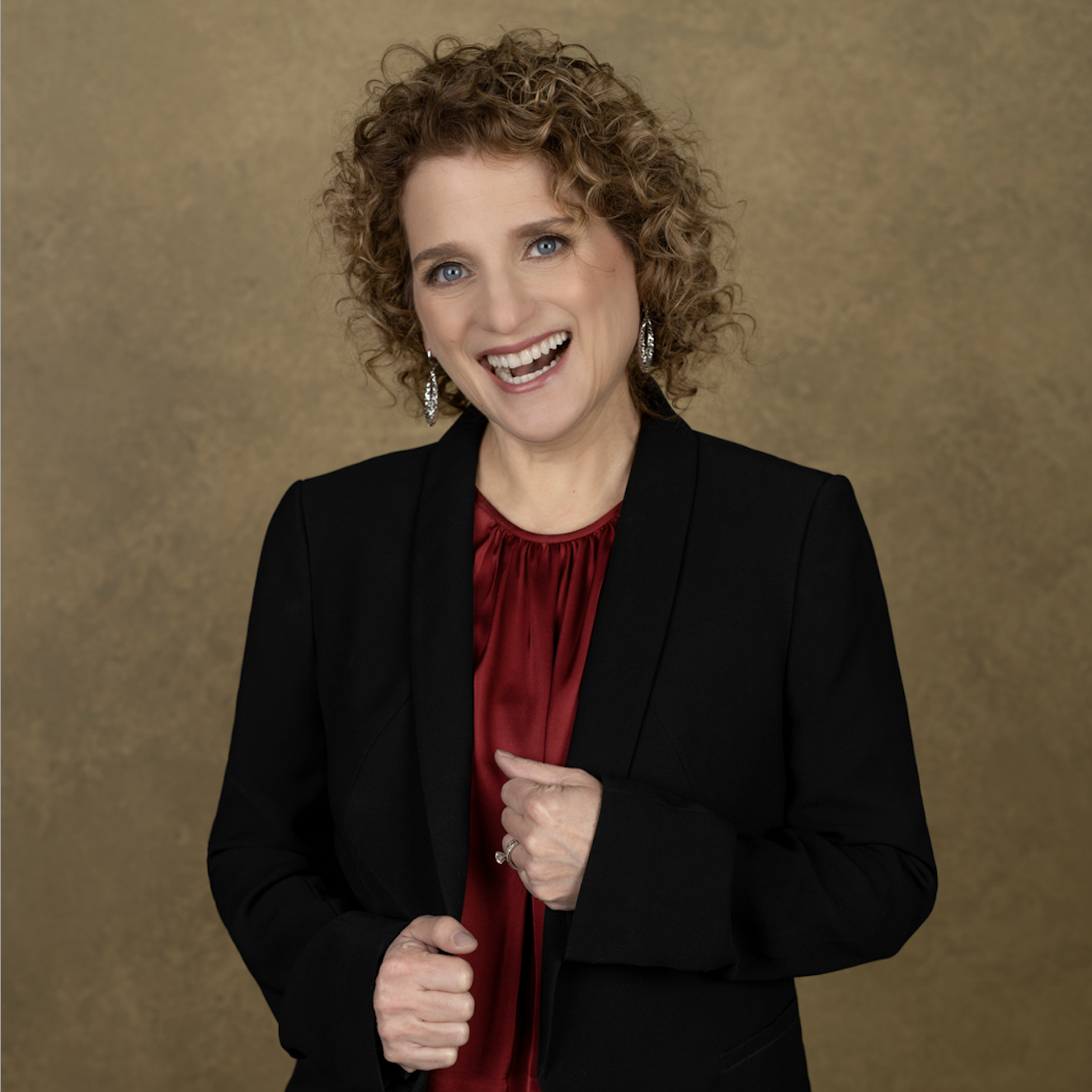
Fox Advancement provides non-profits with end-to-end fundraising strategies, grant solutions, and fractional leadership to turn ambitious goals into sustainable reality. As Chief Operating Officer and Integrator at Fox Advancement, Nicole Spracale aligns strategic vision with flawless operational execution across the firm's consulting network. In this interview, Spracale explains how organizations can optimize campaign preparation, secure key community investments, and build enduring development structures.
Q: Many non-profits struggle with the transition between setting a bold vision and executing a practical fundraising plan. How does Fox Advancement help leadership teams bridge that gap through early alignment?
Also worth a look: Modernizing Contract Lifecycle Management: Matthew Solé on Transforming Legal Agreements into Strategic Assets and Raising the Standard: Elevated Cleaning Services on Transforming Spaces in Hollywood, Florida.
Nicole Spracale: One of the biggest mistakes organizations can make is moving too quickly from a bold vision to fundraising tactics. Before we start talking about who to ask or how much to raise, we spend time making sure the organization is truly aligned around what it is trying to accomplish, why it matters, and what it will take to get there. We have always believed that success starts by meeting organizations where they are, rather than taking a one-size-fits-all approach.
At Fox Advancement, we bring leadership together early to create clarity around the vision, priorities, funding needs, roles, and expectations. We also consider the organization’s existing relationships, fundraising infrastructure, internal capacity, and readiness so that the plan we build is realistic and manageable.
This early alignment is important because fundraising does not happen in isolation. A strong plan needs strong leadership, a compelling case for support, the right people engaged at the right time, and a realistic understanding of the resources available to execute it.
Our role is really to help translate vision into a practical roadmap. When everyone understands where they are going, why they are going there, and the role they play in getting there, fundraising becomes much more intentional and much less reactive.
Q: Conducting a feasibility study is a critical step for major initiatives. What are the key indicators that tell an organization it is genuinely prepared to launch a full capital campaign?
Nicole Spracale: A feasibility study should give an organization much more than an estimate of how much money it can raise. It should help leadership understand whether the conditions are in place to successfully execute a campaign.
We look for several indicators of readiness. Is there a compelling case for support that resonates with donors and stakeholders? Is there sufficient philanthropic interest and capacity to support the campaign goal? Are there prospective lead donors who are willing to engage early? Are board and organizational leaders aligned around the vision and prepared to actively participate in fundraising? And does the organization have the internal infrastructure, staff capacity, systems, and leadership needed to sustain a multi-year effort?
Just as important is what we hear during the feasibility process. Sometimes stakeholders strongly believe in the vision but raise concerns about the goal, timing, project scope, or organizational readiness. That doesn’t necessarily mean an organization shouldn’t move forward. It may mean the campaign needs to be adjusted, phased differently, or that additional work needs to happen before entering active solicitation.
Ultimately, readiness is not about having every detail perfectly in place. It is about having enough evidence, alignment, leadership commitment, and donor confidence to move forward with a strategy grounded in reality. A strong feasibility study gives leadership the information they need to make that decision thoughtfully and, when appropriate, enter the campaign with confidence.
Q: Organizations often face unexpected staffing shortages during critical phases of grant administration and donor engagement. How does integrating fractional development talent protect an organization from momentum loss?
Nicole Spracale:
Development work is built on momentum and relationships, and both can be difficult to maintain during times of transition. When a key team member leaves, the risk is not simply that tasks go unfinished. Grant deadlines can be missed, donor follow-up can slow down, institutional knowledge can be lost, and other staff members often absorb responsibilities they may not have the capacity or expertise to manage.
Fractional development support creates a bridge during that transition. At Fox Advancement, we can bring experienced professionals into an organization quickly to maintain critical functions, whether that means managing grants and reporting, supporting donor cultivation and stewardship, strengthening systems and processes, or providing higher-level development leadership.
The advantage of a fractional model is its flexibility. An organization may not need, or be ready for, another full-time position immediately. Fractional support allows leadership to bring in the right expertise for the needs that exist today, while giving them the time and space to thoughtfully determine what the longer-term team should look like.
Most importantly, it protects continuity. Donors and funders continue to hear from the organization, deadlines and commitments are met, and the development program keeps moving forward. Then, when a permanent team member is hired, they are stepping into work that has been maintained and organized rather than having to spend their first several months rebuilding what was lost.
Q: The philanthropic landscape continues to evolve alongside shifting donor priorities. What adjustments should non-profit boards make to build authentic, inclusive donor partnerships today?
Nicole Spracale:
One of the most important shifts boards can make is to stop thinking about fundraising primarily as asking people for money and start thinking about it as building relationships with people who care about the same mission.
Today’s donors increasingly want to understand the impact of their investment, feel connected to the work, and know that their perspectives are valued. It means creating opportunities to learn what motivates donors, inviting them into meaningful conversations about the organization’s work, and communicating impact honestly and consistently, not simply reaching out when there is a financial need.
Building more inclusive donor partnerships also requires organizations to broaden their thinking about who should be part of the supporter ecosystem. Not every important relationship begins with significant financial capacity. Volunteers, alumni, families, community leaders, corporate partners, and people with lived experience can all become important advocates, connectors, and supporters of the mission. When we define engagement too narrowly, we can overlook relationships that may become incredibly meaningful over time.
For boards, that means becoming active ambassadors for the mission. Every board member does not need to be a professional fundraiser, but every board member can help build relationships, open doors, listen, tell the organization’s story authentically, thank supporters, and help people find a meaningful way to engage.
Ultimately, the strongest donor partnerships are built around shared purpose. When organizations approach donors as partners in creating impact rather than simply sources of funding, the relationship becomes stronger, more authentic, and much more sustainable.
Q: Grant writing requires both technical compliance and compelling narrative focus. How can non-profits align government grant opportunities with private philanthropic pursuits without diluting their primary mission?
Nicole Spracale:
The starting point should always be the organization’s mission and strategic priorities, not the funding opportunity. It can be tempting to shape a program around what a funder is willing to support as a means of generating operating revenues. The downside of that approach is that it can lead to mission drift and programs that become difficult to sustain.
At Fox Advancement, we encourage organizations to first be clear about what they are trying to accomplish and what resources are needed to get there. From that foundation, they can build a diversified funding strategy that identifies where government, foundation, corporate, and individual philanthropy each fit.
Government funding often comes with very specific requirements, outcomes, reporting obligations, and restrictions. Private philanthropy can sometimes provide greater flexibility, helping fund innovation, capacity, emerging needs, or areas that public dollars cannot support. When those funding sources are intentionally layered together, they can complement one another rather than compete.
This is also where strong grant writing becomes more than writing a compelling proposal. The technical requirements matter enormously, but so does understanding the larger funding landscape and being disciplined enough to pursue opportunities that genuinely advance the organization’s priorities. Sometimes the right strategic decision is not to pursue a grant, even when an organization is eligible for it.
Ultimately, the goal is not to become exceptionally good at chasing the grant. It is to build a funding strategy that allows the organization to remain focused on its mission, strengthen its financial sustainability, and invest its time and resources where they can create the greatest impact.
Q: As operational structures become more complex, how can executive leaders ensure internal systems remain agile enough to support multi-year funding initiatives?
Nicole Spracale: As funding strategies become more sophisticated, the systems supporting them have to evolve as well. Multi-year initiatives often involve multiple funding sources, reporting requirements, donor relationships, internal teams, and commitments that can extend well beyond a single budget cycle. Without strong internal systems, complexity can quickly become a barrier to execution.
The answer, however, is not simply to add more processes. Executive leaders should focus on creating systems that provide clarity: clear ownership of responsibilities, consistent documentation, reliable data, shared visibility into commitments and deadlines, and regular opportunities to evaluate progress and adjust.
At Fox Advancement, we encourage organizations to build systems that are not overly dependent on one individual. Institutional knowledge should live within the organization, not solely with the person currently managing a grant, donor relationship, or campaign. Strong CRM practices, documented procedures, coordinated calendars, and clear reporting structures help protect continuity when roles or circumstances change.
Agility also requires leaders to periodically ask whether their systems are still serving the strategy. A process that worked when an organization had five active grants may not work when it has twenty. The same is true as campaigns grow, new funding sources are introduced, or teams change. Systems should provide enough structure to create accountability without becoming so rigid that they prevent the organization from responding to new opportunities.
Ultimately, good infrastructure should make the work easier, not heavier. When leaders have accurate information, clear accountability, and systems that can evolve alongside the organization, they are much better positioned to manage multi-year funding successfully while keeping their attention where it belongs: advancing the mission.
Successful non-profit advancement requires disciplined operational systems alongside compelling storytelling. When organizations ground their capital campaigns in data-backed feasibility and aligned donor engagement, they establish financial stability that extends far beyond a single fundraising cycle.
Investing in structured campaign execution, fractional executive capacity, and grant strategy enables mission-driven teams to deliver transformational community outcomes. Leaders who prioritize operational excellence will continue to expand their community footprint and turn ambitious visions into fully funded initiatives.
To learn more visit https://www.foxadvancement.com/