Millions of individuals with disabilities still face systemic barriers in daily public life, civic participation, and digital infrastructure. Outdated policies, underfunded public transit systems, and inaccessible digital platforms regularly exclude people from economic and political opportunities. When community infrastructure ignores universal accessibility, society limits democratic engagement and deepens social divides.
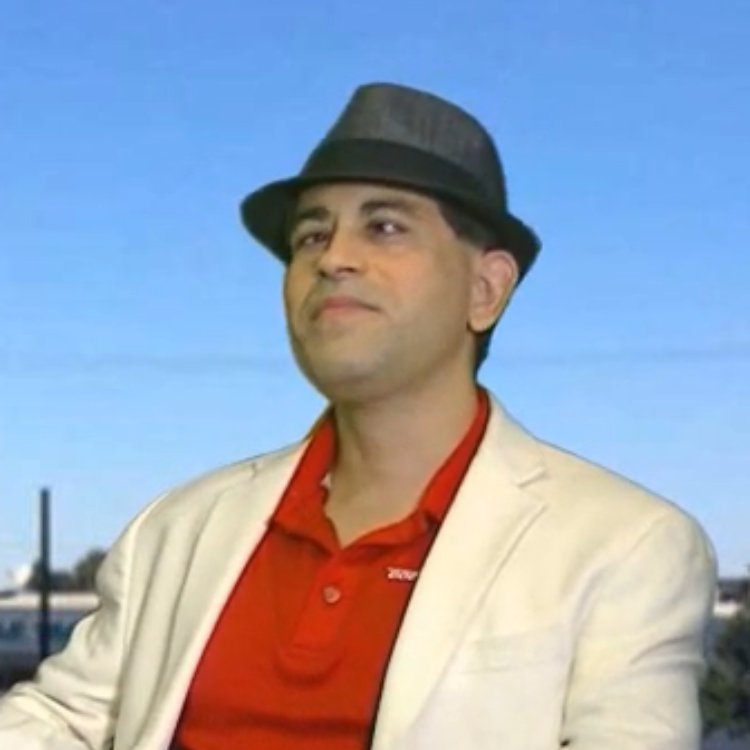
Amplify Accessibility works to eliminate these roadblocks by advancing policies, community tools, and advocacy standards that put inclusion first. As a Green presidential candidate, Jorge Zavala places universal design, equity, and civic empowerment at the foundation of his campaign. In this interview, Zavala shares his vision for integrating accessibility standards into federal policy, breaking down civic participation hurdles, and building an inclusive society.
Q: Universal accessibility often gets treated as an afterthought in federal infrastructure planning. How does your platform propose modernizing public transit and built environments to guarantee access for everyone?
Jorge Zavala: I don’t talk about public transit from behind a desk in Washington—I live it. Look at what happens right in my own backyard with the City of Clovis and regional paratransit systems across the country. Cities are using federal taxpayer funds to buy cheap, retrofitted junk buses designed to dodge motor carrier inspection rules under the guise of being "federally compliant." That is not compliance; that is fraud.
When you actually step onto these vehicles, the reality slaps you in the face: no working air conditioning, no heat, steps without proper interior grab poles, windows that won’t open, seatbelts that jam and lock you down, and seats mounted so dangerously high that passengers' legs dangle without floor support.
My administration will put an end to local governments lying about compliance while pocketing federal grants:
- Zero Federal Funds Without Real-World Inspection: If a city or transit authority buys retrofitted or cut-rate vehicles that fail real physical inspections, their federal transit grants will be frozen immediately.
- Ending Self-Certification: Cities will no longer be permitted to grade their own papers. Testing must be conducted by independent riders with disabilities before any vehicle enters public service.
- Public Transparency and Accountability: We have to break the barrier of fear. We will put these non-compliant vehicles, failed inspections, and administrative evasions directly into the public eye. When public officials realize their negligence will be publicly exposed rather than swept under the rug, the standards will change overnight.
Q: As government services, voting systems, and economic tools shift online, digital accessibility becomes fundamental to civil rights. What concrete standards should public and private digital platforms meet to ensure full inclusion?
Jorge Zavala: The digital accessibility crisis starts at the operating system level. Big Tech companies like Apple, Microsoft, Google, and Samsung market their products as "adaptive," but when disabled people try to use them for real work, it’s like trying to drive a truck with a broken transmission—you can't shift gears, you get locked in menus, and you're stranded.
They build operating systems for entertainment and amusement, not serious utility. On Windows, you are forced to spend hours calling disability help desks just because standard menus won't click or screen readers lose focus. On Android and Samsung, heavy commercial UI skins and overlays cause constant lag and delays that paralyze assistive navigation. Meanwhile, these corporations slap a "compliant" label on their systems and collect federal contracts.
Our platform will enforce real accountability across the entire tech ecosystem:
- Strict Pre-Market Accessibility Audits: No corporation will be allowed to claim Section 508 or ADA digital compliance based on self-marketing. Before any operating system or enterprise platform can be sold to public institutions, it must undergo standardized, independent usability testing by blind and motor-impaired operators.
- Prohibiting Bloatware and UI Overlays from Hijacking Screen Readers: Hardware manufacturers will be legally barred from pushing software overlays that degrade, lag, or break fundamental screen reading and voice control frameworks.
- Independent Auditing Over Big Tech Self-Policing: We will establish a federally backed tech oversight bureau staffed by disabled developers and everyday users who have real-world operational experience, not corporate lobbyists who don't even know how to run a screen reader.
Q: Many individuals with disabilities encounter substantial obstacles when trying to participate in the democratic process and cast their ballots. What federal reforms are needed to remove voting barriers at polling places and through remote voting?
Jorge Zavala: When voting environments are chaotic, rushed, or inaccessible, people with disabilities are effectively disenfranchised. Right now, polling sites push voters through overcrowded lines at a rapid pace. For someone who cannot see or who navigates with physical or sensory differences, that environment creates anxiety, confusion, and disenfranchisement.
Our voting reform platform is built on direct, practical solutions:
- Dedicated, Fully Supported Voting Lines: Every in-person polling location will be federally mandated to establish a dedicated accessible voting line. This line must be staffed by trained, patient personnel who understand assistive technology, guide dogs, and visual or mobility guidance, ensuring voters are never rushed, shoved aside, or pressured.
- Protection of Voter Autonomy: Polling workers must know how to facilitate independent ballot casting so that blind voters can vote in complete secrecy using operational audio-tactile voting machines without having to surrender their privacy to a stranger.
- Protecting the Economic and Democratic Voice of the Disabled Community: A huge percentage of our population and our economy consists of individuals with disabilities. When you suppress our vote through fear, physical barriers, or broken machines, the entire economy suffers because policy decisions ignore our workforce and small-business contributions. Our vote matters, and we will protect it.
Q: Sustainable climate solutions and community development often fail to consider the unique mobility and emergency needs of vulnerable populations. How will your environmental policies incorporate disability-forward perspectives into disaster preparedness and green transition plans?
Jorge Zavala: When disasters strike—whether it is extreme heat, floods, or wildfires—people with disabilities are routinely abandoned because emergency plans treat everyone as able-bodied. If you rely on life-saving power for oxygen, refrigeration for medication, or specialized transit to escape a fire, a standard evacuation notice is useless without transportation.
Because individuals with severe disabilities and life-support dependencies receive state and federal support, the government already has the administrative capacity to know where vulnerability exists. Our environmental and emergency doctrine will establish:
- Mandatory Local Emergency Mapping & Dedicated Fleets: Cities and counties must identify households with specialized mobility and medical dependencies to allocate dedicated emergency evacuation routes and accessible rescue vehicles beforehand.
- Routine Community Evacuation Drills: Emergency personnel must regularly run live disaster drills specifically practicing the safe, rapid evacuation of disabled, blind, and elderly residents—before the fire or flood happens, not while the sirens are already blaring.
- Federal-to-State Matching Lifeline Mandates: Federal emergency resilience grants will require a 1-to-1 operational match ensuring that all municipal evacuation transit, temporary shelters, and emergency power hubs are 100% accessible and equipped for life-support continuity.
Q: Economic independence depends heavily on fair workplace accommodations and anti-discrimination protections. How will your administration hold federal contractors and private employers accountable for maintaining accessible hiring and retention practices?
Jorge Zavala: Workplace discrimination against people with disabilities is rampant because our society does not teach disability awareness or accessibility at an early age. Too many employers immediately assume a disabled applicant is a liability, a risk, or an unproductive cost. They rule them out without ever giving them an opportunity.
The irony is that people with disabilities often work twice as hard with ten times more discipline because they have spent their whole lives overcoming barriers, while non-disabled workers can take their opportunities for granted and cut corners. Disabled workers bring unmatched resilience, grit, and innovation to any business.
To enforce fair hiring and true workplace parity, my administration will implement:
- Mandatory ADA & Section 504 Compliance Officers: We will legally mandate that federal contractors and large private employers maintain dedicated, certified ADA and Rehabilitation Act compliance officers whose sole job is to eliminate bias in hiring, ensure accessible software tools, and prevent accommodation delays.
- Strict Legal Repercussions for Bad-Faith Roadblocks: Employers and state agencies will face swift civil penalties when they stall accommodations, withhold assistive equipment, or use automated hiring filters that weed out disabled applicants.
- Elevating Disabled Workers as Pillars of Economic Growth: We will end the paternalistic narrative that disabled individuals are a charity case. We are an untapped, highly productive engine of economic power that will revitalize American manufacturing, tech development, and entrepreneurship when given a fair, unobstructed field.
Q: Grassroots advocacy groups often drive the most effective community changes on the ground. How can a presidential administration collaborate directly with organizations like Amplify Accessibility to turn local insights into executive action?
Jorge Zavala: Right now, there is a total disconnect between the everyday disabled citizen and the highest levels of government. Section 504 and Section 508 regulations are treated like suggestions because there is zero direct administrative oversight connecting the White House to community realities. The federal bureaucracy is sloppy, slow, and detached—and it treats the disabled community as a burden instead of holding itself accountable for failing to enforce the law.
Our administration will overhaul this system from the foundation up:
- A Direct White House Line for Disability Advocacy: We will establish a permanent White House Office of Universal Access with a direct line to grassroots organizations like Amplify Accessibility, giving frontline advocates binding authority to review federal agency compliance and flag violations directly to the President.
- Total Overhaul of Social Security & Return-to-Work Programs: Millions of disabled Americans want to work, launch businesses, and generate income, but programs like Ticket to Work, PASS plans, and Maximus are poorly managed, buried in red tape, and kept hidden from consumers who need informed choice. We will staff these agencies with knowledgeable personnel who answer the phones, process paperwork without malicious delays, and actively support job placement and self-employment.
- Reforming State Vocational Rehabilitation Agencies: The federal government provides massive funding to state rehabilitation departments, yet consumers face months of obstruction, withheld equipment, and bad-faith administrative maneuvers. Under my administration, state agencies that withhold assistive prosthetics or stall employment plans will face direct federal audits, budget freezes, and executive investigation. The government will take responsibility, answer to the people, and enforce true universal access.
True societal progress requires proactive planning and a commitment to removing structural obstacles before they limit potential. Grounding infrastructure, digital platforms, and civil rights in universal accessibility ensures that every community member can participate fully in civic life and the broader economy.
As local and national leaders address economic and climate challenges, embedding universal accessibility standards into baseline investments will be essential. Leaders who champion complete community inclusion will build resilient, equitable systems that empower all citizens to thrive.
To learn more visit https://amplifyaccessibility.org/