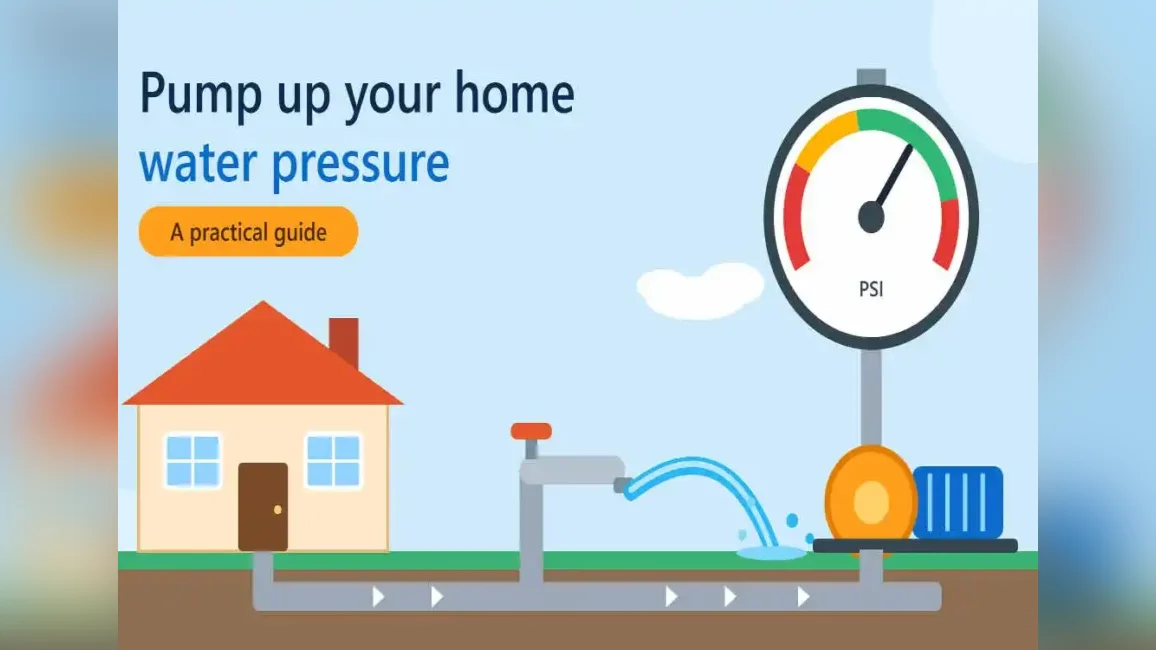
Low water pressure can make everyday household activities frustrating. From taking a shower and washing dishes to running washing machines and filling water tanks, almost every home activity depends on a reliable water supply. When water flows slowly from taps or showerheads, simple tasks can take much longer than expected.
One effective solution for certain low-pressure situations is installing a suitable water pressure pump. These pumps help move water through plumbing systems at a stronger and more consistent pressure. However, choosing the right pump requires understanding your home’s water supply, plumbing layout, and actual pressure requirements.
Whether you live in a small house, a multi-story property, or a home with an overhead storage tank, understanding how water pressure systems work can help you make better home improvement decisions.
What Causes Low Water Pressure in a House?
Before installing a pump, it is important to identify why water pressure is low. A pump may solve some problems, but it will not correct every plumbing issue.
Here are some common causes:
- Blocked Pipes: Mineral deposits, rust, sediment, and other debris can accumulate inside older pipes. These obstructions restrict water movement and reduce pressure at fixtures.
- Leaking Plumbing: A leaking pipe or loose connection can reduce the amount of water reaching household taps and showers.
- Municipal Water Supply Problems: Sometimes, the problem originates outside the property. Low pressure in the public water network can affect several homes in the same neighborhood.
- Faulty Pressure Regulator: A malfunctioning pressure-reducing valve can restrict incoming water pressure more than necessary.
- Multiple Water Fixtures Operating Together: Running showers, washing machines, and kitchen taps simultaneously can reduce available flow, especially in systems with limited capacity.
Identifying the underlying cause helps prevent unnecessary equipment purchases.
What Is a Water Pressure Pump?
A water pressure pump is a mechanical device designed to increase water pressure within a plumbing system. It uses an electric motor to operate an impeller or pumping mechanism that moves water and creates the required pressure.
Some pumps operate automatically when they detect water demand, while others use pressure switches or electronic controllers to maintain a consistent pressure level.
Common types include:
- Booster Pumps: Increase pressure in an existing water supply system.
- Automatic Pressure Pumps: Start and stop according to water demand.
- Variable-Speed Pumps: Adjust motor speed to maintain a more consistent pressure.
- Submersible Pumps: Operate underwater and are commonly used in wells or storage tanks.
The best option depends on the home’s water source, required flow rate, plumbing arrangement, and installation conditions.
How to Choose the Right Water Pressure Pump
Choosing the correct pump is one of the most important steps in improving household water pressure. A pump that is too small may not provide sufficient flow, while an oversized unit can waste energy and create excessive pressure.
Consider these factors before purchasing:
1. Understand Your Water Requirements
Start by estimating how many water fixtures may operate simultaneously. A home with several bathrooms will generally need a higher flow capacity than a small property with one bathroom.
Consider showers, kitchen faucets, washing machines, and other appliances that use water regularly.
2. Check the Required Pressure
Water pressure is commonly measured in pounds per square inch (PSI) or bar. The ideal operating pressure depends on your plumbing system and fixture specifications.
Many residential systems operate around 40–60 PSI, but this is not a universal target. Check local plumbing requirements and appliance recommendations before selecting a pressure setting.
3. Consider Pump Capacity
Pump capacity is often measured in gallons per minute (GPM) or liters per minute (LPM). It indicates how much water the pump can deliver under particular operating conditions.
A professional can calculate the required capacity based on the number of fixtures, pipe size, elevation differences, and expected household demand.
4. Look for Automatic Controls
Automatic pressure pumps can make household water management easier. They detect changes in pressure or water demand and adjust their operation accordingly.
Models with dry-run protection, thermal protection, and pressure monitoring can also help protect the equipment.
How to Increase Water Pressure in House With Pump: Step-by-Step Guide
Understanding how to increase water pressure in house with pump starts with checking the existing plumbing system rather than immediately installing new equipment. A pump should be selected and installed according to the water source and the home’s pressure requirements.
Here is how the process generally works.
Step 1: Measure Your Existing Water Pressure
Use a suitable pressure gauge to measure the water pressure at an appropriate plumbing connection. Record the reading when water is not flowing and, if possible, while fixtures are operating.
Static pressure measures pressure when water is not moving, while dynamic pressure shows how the system performs during actual water use.
If pressure drops significantly when several fixtures operate, the system may have a flow-capacity problem.
Step 2: Inspect the Plumbing System
Check visible pipes, valves, filters, and connections for leaks or blockages. Make sure the main water valve is completely open.
If the home has a sediment filter or water treatment system, inspect it for restrictions. A dirty filter can reduce water flow and make the entire system appear underpowered.
Step 3: Select an Appropriate Booster Pump
Choose a pump designed for your specific water source. For example, a booster pump may be suitable for an approved direct water supply or a storage-tank system, depending on local regulations.
Check the manufacturer’s specifications for maximum pressure, flow capacity, electrical requirements, and operating conditions.
Step 4: Install the Pump in the Correct Location
The installation position depends on the pump design and plumbing arrangement.
A booster pump may be installed near a storage tank or another approved point in the water supply system. It should have appropriate isolation valves, fittings, and protection against running without water.
Some systems also require a pressure tank, check valve, or pressure controller.
Professional installation is recommended because incorrect connections can damage plumbing equipment or create unsafe pressure conditions.
Step 5: Adjust the Pressure Settings
After installation, the pressure switch or electronic controller must be configured according to the pump manufacturer’s instructions.
Do not increase pressure beyond the limits of your pipes, fixtures, water heater, or appliances. Excessive pressure can cause leaks, noisy plumbing, damaged fittings, and premature equipment failure.
Step 6: Test the Entire System
Open different taps and showers to check whether water flows consistently. Test multiple fixtures simultaneously to determine whether the pump provides sufficient capacity.
Also inspect all connections for leaks and listen for unusual vibrations or noises.
A properly configured system should provide reliable water flow without excessive cycling or pressure fluctuations.
Important Safety Considerations Before Installing a Pump
Water pressure pumps involve both plumbing and electrical connections, so safety should be a priority.
Keep the following precautions in mind:
- Never install a pump that is unsuitable for potable drinking water.
- Follow local plumbing regulations and water-supply restrictions.
- Do not connect a booster pump directly to a municipal supply unless local rules and the water utility permit it.
- Use suitable electrical protection and proper grounding.
- Ensure the pump has appropriate dry-run protection.
- Avoid excessive pressure settings.
- Use a qualified plumber or pump technician for installation and adjustment.
In some locations, booster pumps must draw from a break tank or storage reservoir rather than directly from the public water network. Check local requirements before purchasing equipment.
Other Ways to Improve Water Pressure Without Replacing the Pump
A pump is not always necessary. Sometimes, simple maintenance can improve water flow.
Clean Faucet Aerators: Mineral deposits can block faucet aerators. Removing and cleaning them may restore normal flow.
Replace Restricted Showerheads: An old or clogged showerhead may reduce water output. Cleaning or replacing it can improve performance.
Repair Leaking Pipes: Even small leaks can waste water and indicate larger plumbing problems.
Clean Water Filters: Sediment filters should be maintained according to manufacturer recommendations.
Inspect Old Pipes: Corroded or heavily restricted pipes may need professional cleaning or replacement.
These improvements can be more economical than installing a new pump when the problem is caused by a localized restriction.
How Much Does It Cost to Install a Water Pressure Pump?
The total installation cost depends on pump type, capacity, brand, electrical requirements, and labor charges.
A basic domestic booster pump generally costs less than a sophisticated variable-speed pressure system. Additional expenses may include pressure tanks, valves, electrical protection, pipe modifications, and installation labor.
Homeowners should compare several quotations and consider long-term electricity consumption and maintenance costs rather than choosing equipment based only on its purchase price.
Frequently Asked Questions (FAQs)
1. Can a water pump increase pressure in my entire house?
Yes. A correctly sized booster pump can improve water pressure throughout a household plumbing system when installed in an appropriate location.
2. What is the best pump for increasing home water pressure?
A domestic booster pump is a common choice. The best model depends on water supply, household size, required flow rate, and plumbing configuration.
3. How much water pressure should a house have?
Many residential systems operate around 40–60 PSI. However, the appropriate pressure depends on local plumbing standards and the requirements of household fixtures.
4. Can I install a water pressure pump myself?
Some small systems are marketed for DIY installation, but professional installation is safer because incorrect plumbing or electrical connections can cause damage and safety risks.
5. Does a bigger water pump always provide better pressure?
No. An oversized pump can create excessive pressure, waste electricity, and damage plumbing components. Correct sizing is more important than choosing the largest pump.
6. Why is my water pressure still low after installing a pump?
Possible reasons include blocked pipes, insufficient pump capacity, a restricted filter, incorrect pressure settings, air in the system, or problems with the water supply.
7. Does a water pressure pump increase electricity bills?
Yes, it uses electricity whenever it operates. Energy-efficient models with automatic controls or variable-speed technology can help reduce unnecessary power consumption.
Conclusion
Improving household water pressure can make everyday activities easier and create a more comfortable living environment. A suitable booster pump can provide a practical solution when the existing water supply does not deliver sufficient pressure.
However, homeowners should first identify the cause of low water pressure, inspect their plumbing, and determine the required flow capacity before selecting equipment. Proper installation, pressure adjustment, and routine maintenance are equally important for reliable performance.
By choosing the right pump and addressing underlying plumbing problems, homeowners can enjoy better water flow while protecting their pipes, fixtures, and household appliances from unnecessary damage.