New analysis from Helpster Charity, a global health-tech nonprofit, shows the scale of untreated illness among low income families in Africa and Asia and highlights how a technology-led model can close some of the most pressing gaps in healthcare access.
The organisation reviewed more than 2,100 verified patient cases from Nigeria, Kenya and Bangladesh. The data indicates that treatment costs routinely exceed what vulnerable families can afford. In Bangladesh, rural households earn an average of $155 to $175 per month while pneumonia treatment costs about $170. In Kenya, severe malaria treatment averaged $109 across the cases Helpster analysed. In Nigeria, Helpster’s records show treatment costs for malaria or surgical conditions ranging from $25 to $230, in a country where fewer than 10 percent of the people have health insurance coverage. These costs often push families into debt or force them to delay or forgo care.
Helpster uses a digital scoring system that measures poverty levels and clinical urgency to determine which cases receive funding first. In Bangladesh, the average poverty score across cases is 118 out of 250, with urgency averaging 22 out of 26. Kenya records average scores of 158 and 22. Nigeria follows with 147 and 18. This scoring model helps route limited resources to patients with the greatest need.
The analysis also highlights the role of transparency in restoring trust in health financing. Helpster allows donors to track contributions from payment to hospital discharge. Internal data shows that around 40 percent of referrals are rejected when they do not meet the organisation’s verification standards, a safeguard intended to protect users and ensure funds reach legitimate cases.
Helpster says the findings show the need for scalable, efficient models to reach communities often overlooked by traditional aid systems. The organisation notes projections that low and middle income countries could face a health financing gap of $176 billion by 2030, underscoring the urgency of new approaches.
Commenting on the findings, Helpster CEO Kate Lysykh said the numbers reflect a wider crisis. “These are not abstract statistics. They are families who are deciding between survival and debt. Our goal is to ensure they do not have to make that choice,” she said. “If we can connect hospitals, donors and volunteers through one transparent system, we can respond faster and prevent avoidable deaths.”
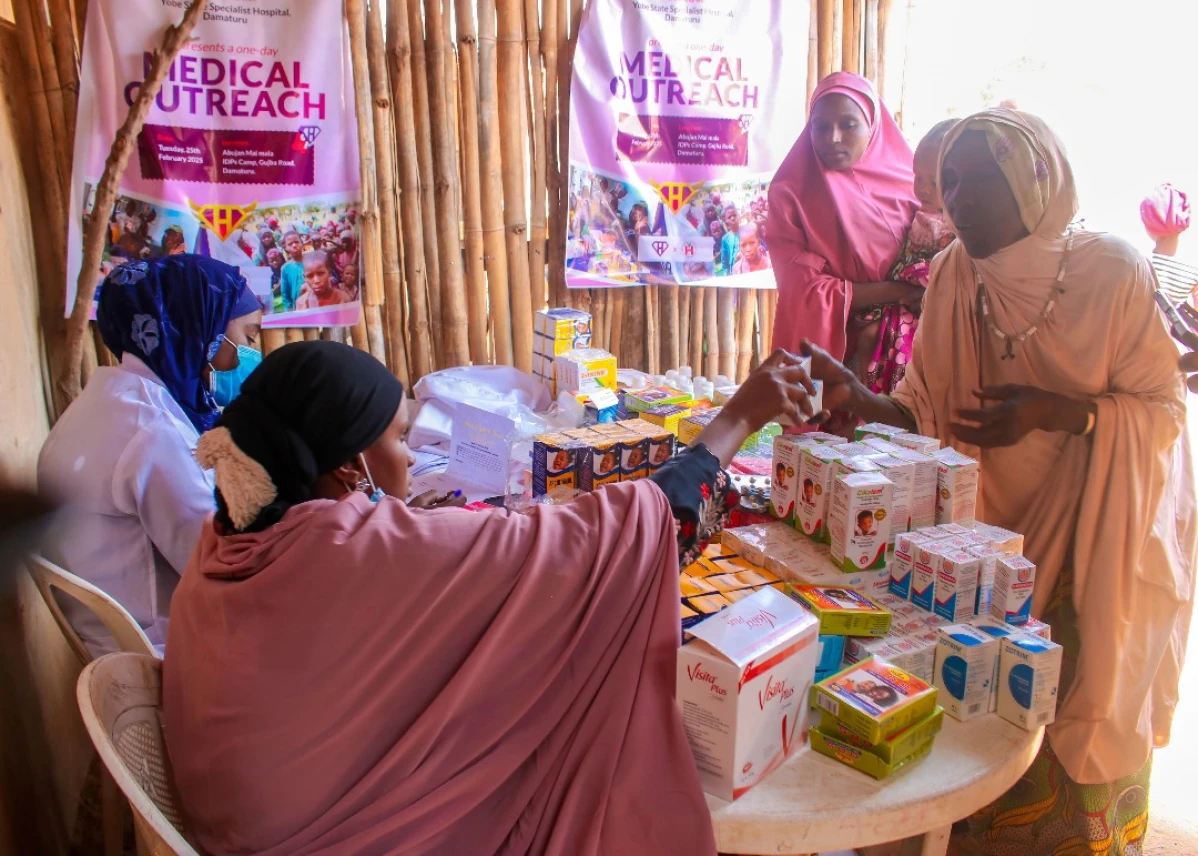
Helpster works with partner hospitals in underserved communities across Africa and Asia, verifying cases and coordinating payments directly with healthcare providers. The organisation aims to expand its network and data infrastructure to support more high-need patients.