For decades, international food ingredient supply chains have wrestled with volatility, rising operational costs, and inconsistent raw material quality. Traditional agricultural exporters in Latin America often shipped raw, unprocessed commodities abroad, missing the opportunity to capture downstream industrial value. At the same time, North American commercial bakeries, food processors, and foodservice distributors face strict demands for reliable, certified, and cost-competitive edible oil ingredients.
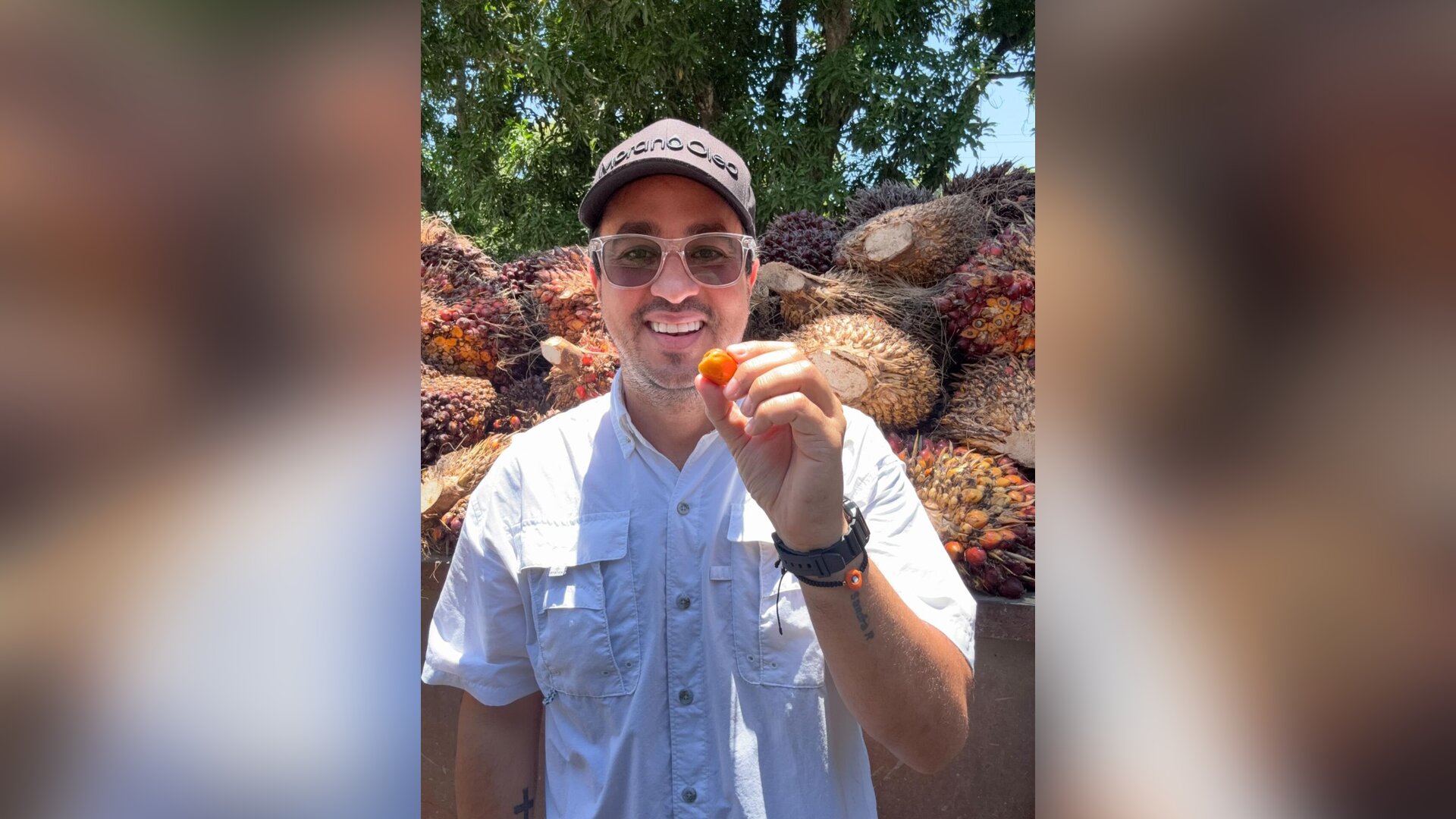
Morano Gruppo, led by Executive President Jorge Camilo Gnecco Espinosa, offers a proven alternative. Drawing on more than 37 years of business history in Colombia, the group has established a fully integrated supply network. Through its Florida-based subsidiary, Morano USA LLC, the enterprise supplies certified palm-based shortenings and oleins directly to major American distributors. In this executive Q&A, Gnecco outlines how industrial processing, disciplined expansion, and vertical integration are redefining Latin American trade in global markets.
Q: Morano Gruppo has more than 37 years of commercial history. How did you guide the company’s evolution from its agricultural beginnings into a modern, integrated agribusiness group?
Jorge Camilo Gnecco: Our transformation has been driven by a fundamental conviction: sustainable business growth comes from creating value, not simply trading products.
Morano Gruppo’s history extends beyond agriculture. Throughout more than 37 years, we have developed experience in different industrial and commercial sectors in Colombia. That entrepreneurial foundation taught us the importance of operational discipline, long-term investment, and adapting to changing market conditions.
When we identified the potential of Colombia’s palm oil industry, we recognized an opportunity that went far beyond agricultural production. Colombia has the natural resources, agricultural expertise, and strategic geographic position to become an important supplier of sophisticated palm-based industrial products to international markets.
However, I have always believed that exporting raw materials alone is not enough. The real opportunity lies in transforming those resources into higher-value products. That philosophy guided our decision to focus Morano Gruppo on the palm oil value chain, connecting agricultural sourcing, extraction, refining, packaging, and international distribution.
Today, we are building an industrial platform capable of supplying different sectors, including food manufacturing, cosmetics, chemicals, and energy. Our ambition is not simply to export more palm oil. It is to export more Colombian industrial value to the world.
Q: Entering the United States market is notoriously demanding for foreign food suppliers. How has Morano USA LLC established distribution channels for specialized products like kosher-certified vegetable shortening and palm olein?
Jorge Camilo Gnecco: The United States is one of the world’s most sophisticated and competitive food markets. Entering this market requires much more than offering an attractive price. American buyers expect product consistency, food safety, reliable logistics, traceability, and strict compliance with commercial and technical specifications.
Our strategy through Morano USA LLC, based in Florida, has been to establish a direct commercial presence that connects our Colombian industrial operations with American customers. Having a company incorporated in the United States allows us to develop closer relationships with distributors, food manufacturers, commercial bakeries, and other industrial buyers. It also helps us better understand the specific requirements of each market segment.
We focus on palm-based ingredients such as vegetable shortening and palm olein, including products developed for customers requiring kosher certification and other specific quality standards. One of our competitive advantages is our ability to coordinate different stages of the value chain in Colombia. Rather than operating exclusively as an intermediary, we participate in the industrial processes that determine product quality, presentation, and supply reliability.
For our customers, this translates into greater transparency, improved technical coordination, and a more dependable sourcing relationship. We understand that American companies are not simply purchasing oil. They are purchasing reliability, continuity, technical consistency, and confidence in their supply chains.
Our objective is to position Morano USA as a long-term industrial supply partner, not merely another commodity trading company.
Q: Industrial processing capacity is critical for supply chain stability. What role does your Morano Oleo extraction plant in Tucurinca play, and what drove the plan to scale capacity from 30 to 60 metric tons per hour?
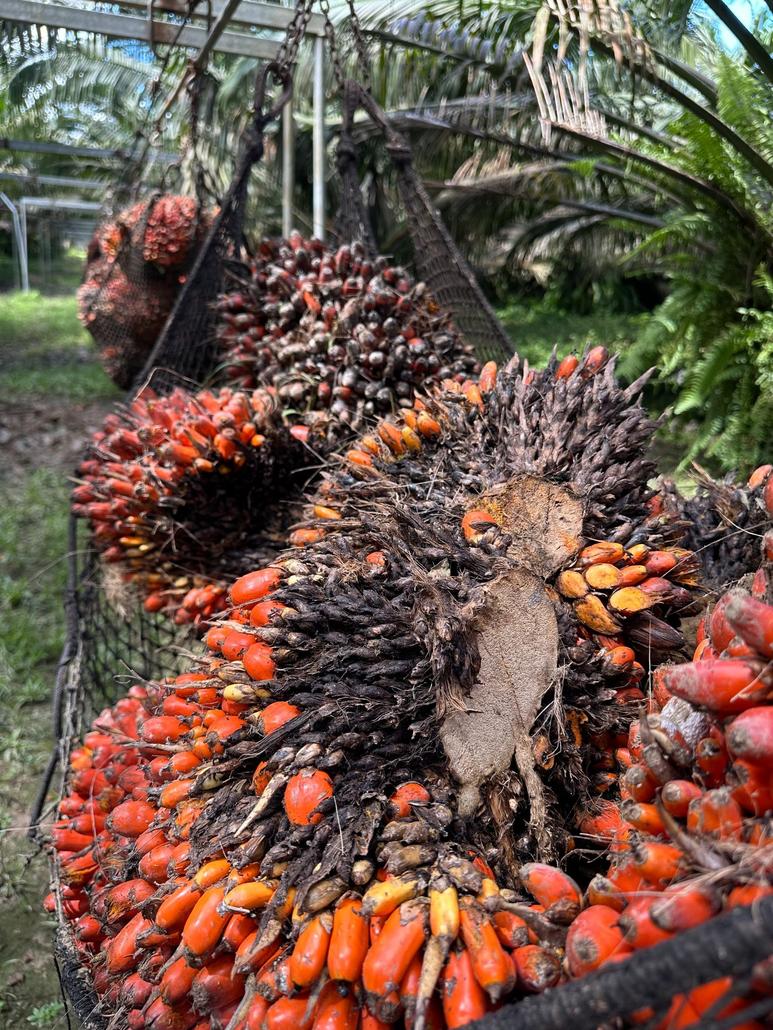
Jorge Camilo Gnecco: Morano Oleo is one of the most important pillars of our industrial strategy. Located in Tucurinca, Magdalena, Colombia, our extraction facility connects regional palm fruit production with the industrial transformation and commercialization of palm oil and its derivatives.
The plant currently has the capacity to process approximately 30 metric tons of fresh fruit bunches per hour, and our expansion strategy contemplates increasing that capacity to 60 metric tons per hour. This investment is not simply about doubling production capacity. It is about preparing the company for the next stage of industrial growth.
Greater processing capacity would allow us to work with more agricultural producers, optimize operating costs, improve industrial efficiency, and strengthen our ability to respond to international demand. Another important aspect is our relationship with the surrounding agricultural communities. Palm oil production supports a significant network of farmers, workers, transportation providers, and service companies throughout the region.
When an extraction facility expands, its impact extends well beyond the factory itself. We also place considerable importance on sustainability and international certification. Morano Oleo holds ISCC EU certification within its certified scope, strengthening our position in international markets that demand traceability and responsible sourcing.
Our long-term objective is to develop an increasingly efficient and competitive industrial operation. For us, industrial capacity is not measured only in tons processed. It is also measured in our ability to generate economic development, employment, and long-term opportunities for the region.
Q: Beyond extraction, your operational model includes stakes in refining with FAMAR S.A. and packaging through Bio Industria S.A.S. Why is full vertical integration essential to your global competitiveness?
Jorge Camilo Gnecco: Vertical integration is at the center of our business model and one of the most important elements of our international strategy. In many traditional agricultural supply chains, different companies independently control production, extraction, refining, packaging, and commercialization. This fragmentation can generate additional costs, logistical inefficiencies, and inconsistencies in product specifications.
We have developed a different approach. Through Morano Oleo, we participate directly in the extraction stage. Our shareholding participation in FAMAR S.A., a vegetable oils and fats refining company, gives us a strategic position within the refining segment of the industry.
Through Bio Industria S.A.S., located at Morano Industrial Park in Tucurinca, Magdalena, we develop packaging operations for refined palm oil in different formats, including bottles and larger containers for commercial and industrial customers. Bio Industria also supports private-label manufacturing and the development of our own consumer brand, Aceite El Tesoro.
Finally, our international commercial companies, including Morano USA LLC and Morano Europe S.L., connect these industrial capabilities with overseas customers. This structure enables us to participate across the value chain, from agricultural sourcing and extraction to products prepared for international distribution.
It also allows us to address different market requirements. Some customers need bulk refined oils, others need specialized fats for food processing, and others require finished products packaged under their own brands. We want to offer solutions across these categories without depending entirely on unrelated suppliers at every stage.
I firmly believe that the future of Latin American agribusiness belongs to companies capable of transforming agricultural resources into sophisticated industrial products. Vertical integration is how we intend to compete internationally, not only on price, but also on quality, flexibility, efficiency, and long-term reliability.
Q: Having exported over 6,000 metric tons of oils and derivatives in 2026 while supporting roughly 200 local jobs, how does your model prove that Latin American firms can move past simple raw material exports?
Jorge Camilo Gnecco: These figures represent more than commercial performance. They demonstrate the industrial potential that exists in Colombia and throughout Latin America.
For many decades, our region has been recognized primarily as a supplier of agricultural commodities and natural resources. While those exports remain economically important, I believe we must move toward a more ambitious development model. We cannot continue measuring our international competitiveness exclusively by the quantity of raw materials we export.
We must also measure how much value we create before those products leave our countries. At Morano Gruppo, our operations contribute to employment, industrial activity, agricultural demand, transportation, technical services, and international trade.
Every additional stage of transformation creates opportunities for greater value addition within Colombia. When we refine palm oil, manufacture specialized fats, package finished products, or develop brands for international markets, we are doing much more than exporting agricultural output.
We are exporting industrial capability, technical knowledge, and Colombian entrepreneurship. I also believe that companies have a responsibility to ensure that economic growth benefits the communities surrounding their operations.
That is why the development of smallholder palm growers is particularly important to our long-term vision. Colombia’s palm sector includes thousands of small agricultural producers whose productivity, income, and market access can improve through stronger industrial ecosystems. For me, true business success requires combining profitability with economic development.
Colombia should not resign itself to being merely a supplier of raw materials for the world’s industries. We must become a country that transforms its agricultural wealth into finished products, industrial employment, and internationally competitive businesses. That is the transformation we are pursuing at Morano Gruppo.
Q: Looking ahead, how do you see trade relationships between Colombia and the United States evolving for value-added agricultural manufacturers?
Jorge Camilo Gnecco: I see significant opportunities for Colombia and the United States to develop more sophisticated industrial and commercial relationships.
The traditional model of international trade, in which Latin America exports raw commodities and developed economies perform most of the industrial transformation, is gradually evolving. American companies are increasingly focused on supply chain diversification, traceability, operational resilience, and access to reliable international suppliers.
Colombia has several structural advantages in this environment. Our geographic proximity to the United States, access to both Atlantic and Pacific maritime routes, established agricultural industries, and trade relationship with the American market create opportunities for value-added manufacturing.
However, these advantages will only translate into sustained growth if Colombian companies invest in industrial capabilities, technology, certifications, efficiency, and commercial professionalism. We must also recognize that the American market is highly demanding. Competing successfully requires the same operational standards expected from established international manufacturers.
For Morano Gruppo, the United States is not simply an export destination. We see it as a strategic market where we can establish long-term commercial relationships and demonstrate the competitiveness of Colombian industry.
Through Morano USA, we intend to continue developing our position in specialized palm-based ingredients, industrial fats, and other value-added products. At the same time, I believe the global transformation of the energy industry will create additional opportunities for Colombia’s palm sector, including emerging markets related to sustainable aviation fuel and other renewable energy applications, subject to the relevant sustainability standards and regulatory requirements.
My vision is that Colombia should participate in these emerging industries not only as a raw material supplier but also as a country capable of creating industrial and technological value. Ultimately, the future of trade between Colombia and the United States should not be defined only by what Colombia produces, but by what Colombia is capable of transforming.
That is the direction in which we are taking Morano Gruppo.
Expanding into mature international markets requires far more than abundant land or raw agricultural production. As highlighted by Morano Gruppo’s expansion, sustainable success depends on institutional discipline, international certifications, industrial investment, and effective coordination across the value chain.
By connecting extraction, refining, packaging, and international distribution, agribusinesses can provide dependable, value-added ingredients that meet the technical and commercial requirements of sophisticated international buyers.
Looking ahead, the transition from commodity exports toward advanced agricultural manufacturing represents an important opportunity for Latin American economies.
Companies that invest in industrial capacity, regional employment, and sustainable sourcing can create more resilient supply networks while strengthening their countries’ participation in international trade.
Under the leadership of Jorge Camilo Gnecco Espinosa, Morano Gruppo is pursuing a model built around Colombian industrial development, international competitiveness, and long-term value creation.
Morano Gruppo — From the Palm to the World.
To learn more, visit http://co.linkedin.com/in/jorgecamilognecco
https://www.instagram.com/moranogruppo/