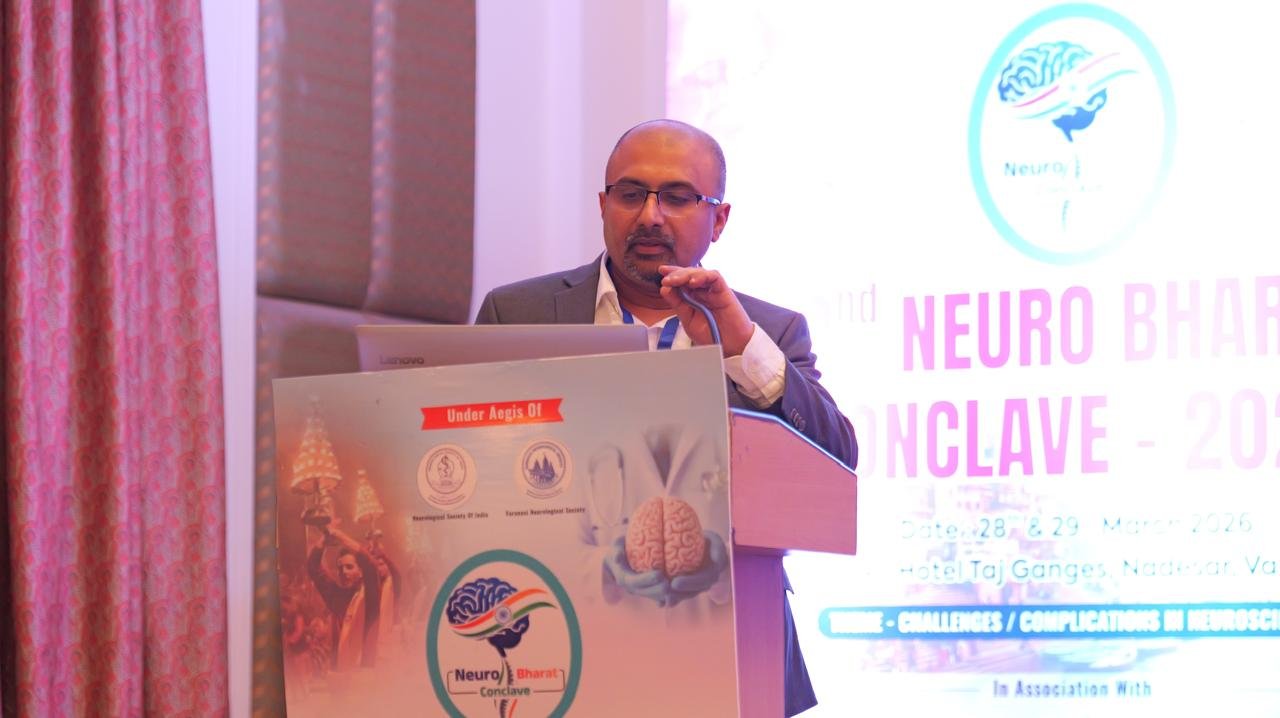
Dr. Mohana Rao Patibandla, MCh (Neurosurgery)
Director, Dr. Rao’s Hospital, Guntur, India
Deep-seated brain lesions continue to represent a formidable challenge in neurosurgical practice due to their proximity to eloquent brain regions and critical neurovascular structures. Complication avoidance in these lesions requires a paradigm shift from aggressive resection to a strategy focused on maximal safe resection with functional preservation. This article presents current concepts in complication avoidance, emphasizing preoperative planning, minimally invasive surgical strategies, intraoperative monitoring, and postoperative care. Drawing from contemporary evidence and the author’s clinical experience, the article highlights the importance of a philosophy-driven approach that prioritizes safety, precision, and patient outcomes.
Keywords
Deep-seated brain lesions, complication avoidance, minimally invasive neurosurgery, neuronavigation, intraoperative monitoring, functional preservation, neurosurgical safety
Introduction
Deep-seated intracranial lesions involving regions such as the thalamus, basal ganglia, brainstem, and deep white matter tracts are among the most complex entities encountered in neurosurgery. Historically, surgical intervention in these areas was associated with significant morbidity due to limited visualization, extensive brain retraction, and inadequate understanding of functional anatomy.
Over the past two decades, there has been a fundamental shift in neurosurgical philosophy toward maximal safe resection, with increasing emphasis on preservation of neurological function. Complication avoidance is now recognized as a comprehensive process that begins with meticulous planning and extends through intraoperative execution to postoperative care.
Preoperative Planning and Risk Stratification
Advanced Neuroimaging
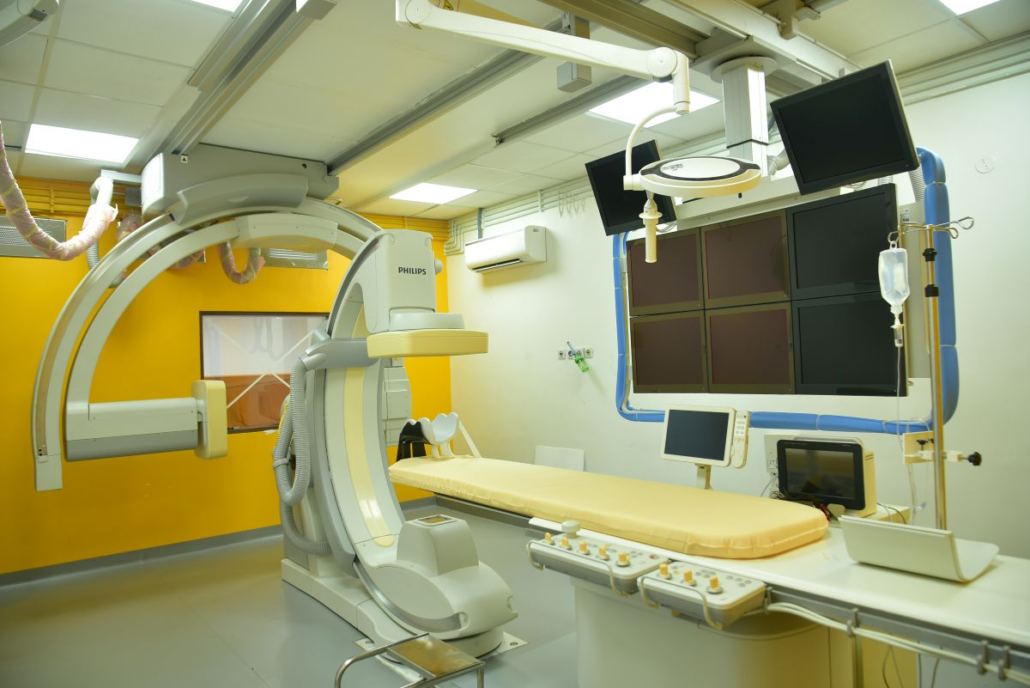
The cornerstone of complication avoidance lies in detailed preoperative evaluation. High-resolution MRI, functional MRI (fMRI), and diffusion tensor imaging (DTI) are essential in delineating lesion characteristics and their relationship to eloquent cortex and white matter tracts.
DTI tractography, in particular, provides critical insights into the spatial orientation of major pathways such as the corticospinal tract, thereby facilitating safer surgical corridor selection.
Trajectory Optimization
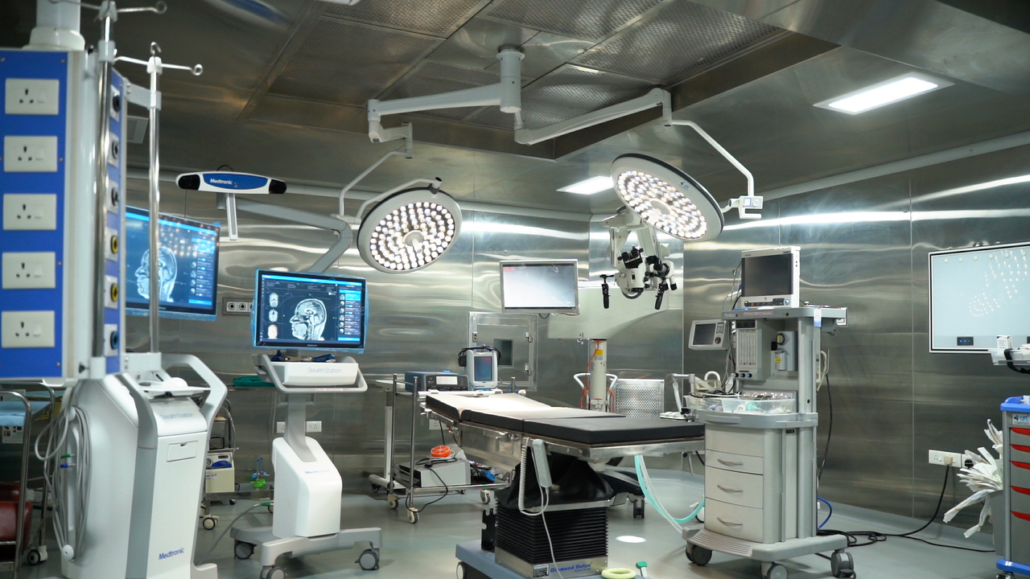
Trajectory planning is a decisive factor in minimizing surgical morbidity. The objective is to identify a path that:
- Avoids eloquent cortex and critical fiber tracts
- Minimizes cortical transgression
- Utilizes natural anatomical corridors where feasible
Stereotactic and navigation-guided approaches have significantly enhanced the precision of trajectory-based surgery.
Evolution of Surgical Techniques
Minimally Invasive Approaches
The advent of minimally invasive neurosurgical techniques has transformed the management of deep-seated lesions. These include:
- Tubular retractor systems
- Endoscopic approaches
- Keyhole craniotomies
Such techniques reduce cortical disruption, minimize retraction injury, and facilitate faster postoperative recovery.
Microsurgical Principles
Despite technological advancements, adherence to fundamental microsurgical principles remains critical:
- Gentle tissue handling
- Preservation of normal neurovascular structures
- Maintenance of clear surgical planes
Dynamic retraction and avoidance of fixed retractors have further reduced the incidence of retraction-related complications.
Intraoperative Strategies
Neuronavigation and Imaging
Neuronavigation systems enable accurate localization and guidance throughout the procedure. However, intraoperative brain shift can limit accuracy, necessitating adjuncts such as intraoperative ultrasound or MRI for real-time updates.
Neurophysiological Monitoring
Intraoperative neurophysiological monitoring (IONM) has become indispensable in surgeries involving eloquent regions. Modalities include:
- Motor evoked potentials (MEPs)
- Somatosensory evoked potentials (SSEPs)
- Electrocorticography in select cases
These tools provide real-time feedback, allowing immediate corrective measures to prevent permanent deficits.
Hemostasis and Vascular Integrity
Meticulous hemostasis is crucial in preventing postoperative hemorrhage. Preservation of normal vascular structures and avoidance of excessive coagulation are fundamental principles.
Retractionless Surgery
The transition toward retractionless or minimally retracted surgery has significantly reduced complications such as edema, venous infarction, and neurological deficits. Techniques include:
- Gravity-assisted positioning
- Tubular access systems
- Instrument-based dynamic retraction
Postoperative Management

Effective postoperative care is essential in sustaining surgical outcomes and preventing complications.
Key components include:
- Continuous neurological monitoring
- Blood pressure regulation
- Early detection of hematoma or edema
- Thromboprophylaxis
- Infection prevention
Early intervention in the event of complications is critical in reducing morbidity.
Decision-Making and Case Selection
A critical aspect of complication avoidance is appropriate patient selection. Not all deep-seated lesions warrant aggressive surgical resection.
Alternative strategies may include:
- Stereotactic biopsy
- Radiosurgery
- Conservative management
The decision must be individualized, balancing potential benefits against risks.
Emerging Technologies and Future Directions
The future of neurosurgery is being shaped by rapid technological advancements:
- Artificial Intelligence for predictive analytics and surgical planning
- Robotic assistance for enhanced precision
- Augmented reality for real-time anatomical visualization
These innovations are expected to further improve safety and outcomes in deep-seated brain surgery.
Author’s Perspective
From a practical standpoint, complication avoidance extends beyond technique and technology. It is fundamentally rooted in surgical philosophy.
In my experience:
- Respect for neural tissue is paramount
- Strategic planning outweighs intraoperative improvisation
- Functional preservation is the ultimate goal
The measure of surgical success should not be the extent of resection alone, but the preservation of neurological function and quality of life.
Conclusion
Complication avoidance in deep-seated brain lesions is a multifaceted process requiring integration of advanced imaging, meticulous planning, refined surgical techniques, and vigilant postoperative care. With evolving technology and a patient-centered philosophy, neurosurgeons are increasingly able to navigate these complex lesions with improved safety and outcomes.
Conflict of Interest
The author declares no conflict of interest.
Author Information
Dr. Mohana Rao Patibandla
Director, Dr. Rao’s Hospital
Guntur, Andhra Pradesh, India