The culinary landscape moves at a rapid pace, yet restaurants and private dining services often struggle to balance operational efficiency with genuine culinary craft. In an industry facing shifting consumer tastes, rising ingredient costs, and staffing shortages, many kitchens lose touch with the authentic connections that food is meant to foster. Diners frequently encounter uninspired menus, while independent restaurant operators struggle to adapt classic recipes to modern dining expectations.
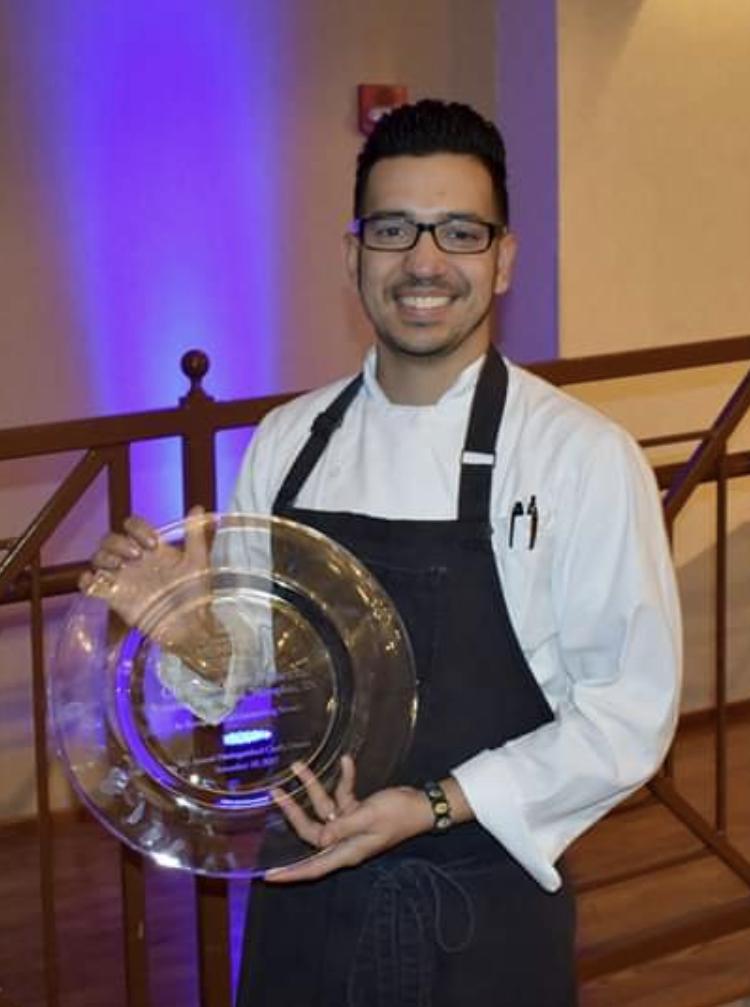
Chef Anthony Fenech tackles these challenges by blending traditional comfort cooking with bold flavor experimentation. Born in Brooklyn and raised in Memphis, Tennessee, Fenech brings a versatile approach to the culinary arts through his "Food for Your Mood" philosophy. As an acclaimed personal chef, event caterer, and corporate culinary consultant, he helps dining establishments optimize their menus while crafting bespoke dining experiences for private clients. In this Executive Q&A, Fenech discusses his culinary evolution, his consulting approach with local restaurants, and how personal heritage drives his kitchen philosophy.
Q: You grew up experiencing both Brooklyn’s food culture and Memphis’s rich Southern cooking. How does bridging these two distinct culinary traditions shape your signature menus today?
Anthony Fenech: In Brooklyn, there was so much access to a variety of culture’s and flavors that when I first moved to Memphis was so foreign to the area. When I first started writing menus in Memphis I really wanted to share those flavors while still being an approachable dish for the Memphis Palate. So I may add fish sauce to fish and grits or gochuchang to an aioli or can I add some collard greens for some southern flair to a pasta dish instead of broccoli rabe like I ate as a kid in New York. Being able to introduce Memphians to flavors and food items that they didn’t know they liked has been awesome.
Q: Receiving the University of Memphis Distinguished Chef Award marked a major milestone in your career. How did that formal recognition influence your approach to menu development and hospitality?
Anthony Fenech: When you’re early in your career you come out of culinary school you’re a line cook and you’re not making much money, you’re working in not your dream restaurant and maybe not the best position on the line. You question if the hard work is actually worth it. You see so many young chefs quit. This gave me confidence in my food approach. To know that all the hard work put in was finally being recognized was a great feeling.
Q: As a restaurant consultant and corporate chef, you work directly with operators navigating tight margins and changing guest preferences. What operational mistakes do struggling kitchens make most often when trying to update their menus?
Anthony Fenech: Making money the sole focus is always an issue. I see restaurants that are surviving. They are doing ok but, not great financially. They’ll then solely focus on cost cutting while sacrificing quality, value, and great service. That’s a fast way to nosedive your business. Some more successful places I work with will flip the mindset to where they are asking themselves ok… “we are surviving but, how do we get better?” So example one is “how do I save money” vs example 2 “how do I make more money” Of course there is a balance but restaurant operators should always make decisions with their guests and customers in mind.
Q: Your personal chef business centers on the concept of "Food for Your Mood." How do you assess a client’s tastes to design a fully customized dining experience in their home?
Anthony Fenech: Truly being able to listen to someone else is a skill that some chefs don’t develop. Early in my career I was like that. I thought I had to have every answer or have to create everything off the top of my head for a client. If you pause for and truly listen then as a chef its not about what you want its about translating the vision from someone else’s mind to it becoming real. My job is to guide their vision but, not take it over. The slogan is “Food for YOUR mood” not “Food for MY Mood” so allow your client to drive that creative process.
Q: From concept sketching to kitchen experimentation, you place great emphasis on testing textures, seasonings, and presentations. What does your creative development process look like when building a brand-new dish?
Anthony Fenech: I draw influence from moments in time in my life and then try to recreate that moment like it was for me and then be able to share that moment for someone cooking. So for instance I could draw inspiration from a dish served on my wedding day or something that I ate growing up. Then basically I’ll recreate that to the highest degree and put it on a plate. See what that looks like and then build off of that. I’ll get feedback from others and see what they think. If the dish feels right, we roll with it.
Q: Community involvement—from supporting local animal shelters to contributing to autism organizations—is a large part of your work outside the kitchen. How does community engagement reinforce your broader mission as a culinary professional?
Anthony Fenech: What makes me happy is seeing others happy. If I can play a small part in that in someone else’s life then that’s what I’m going to do. Cooking isn’t about you or your ego. You’re feeding someone in the most simplistic of terms. That’s something I don’t take lightly. Its an honor to be able to do that. Restaurants are about creating that sense of community.
Culinary success requires a delicate balance of technical precision, efficient kitchen systems, and genuine passion for the craft. Chef Anthony Fenech demonstrates that honoring classic culinary traditions does not mean resisting creative experimentation. Whether revitalizing menu concepts for independent restaurants or tailoring intimate private meals, his career proves that great dining starts with understanding the diner’s needs.
As dining trends prioritize individualized experiences and bold flavor profiles, chefs who understand both culinary strategy and hospitality will lead the market. Fenech’s integrated model of consulting, personal catering, and community stewardship offers a sustainable path forward for modern food professionals.