The independent music scene often struggles with the pressure to produce singles that fit neatly into algorithmic playlists. This focus on easily categorized tracks frequently discourages artists from exploring broader, cohesive themes that require the listener's sustained attention. Concept albums, which rely on a unified narrative across multiple tracks, are increasingly rare as artists navigate the demands of rapid content consumption.
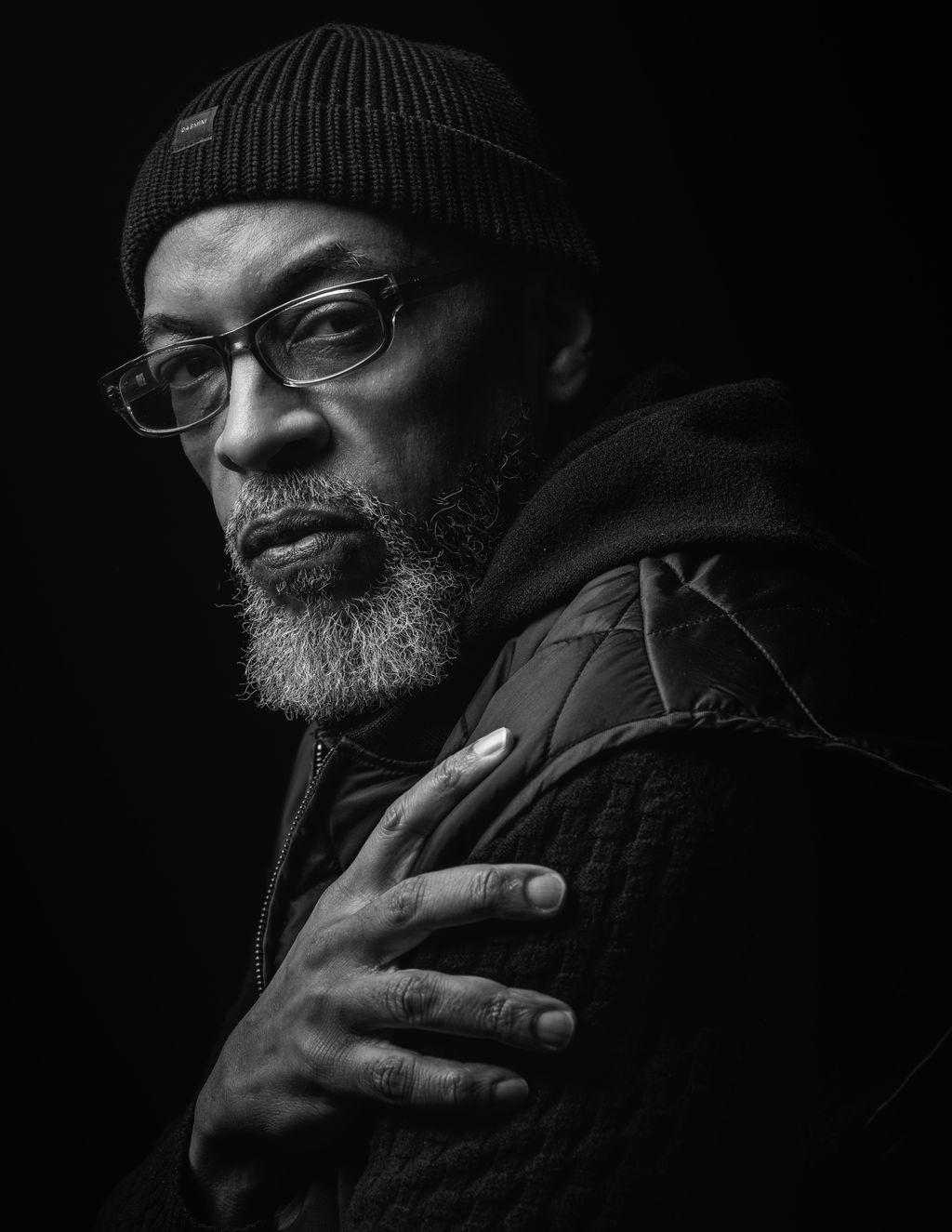
Large Bottom Productions, founded by Chicago-based musician and producer Marzuq “Marz” Asanti, challenges this trend with the release of the concept album Colonized Mind. Debuting on March 13, 2026, the project merges jazz, hip hop, R&B, and spoken word into a unified exploration of identity, perception, and belief systems. Today, we sit down with Asanti to discuss his approach to producing the 11-track album, his impressive list of collaborators, and why he chose the concept album format to ask listeners a central question: “Are you of a colonized mind?”
Q: Colonized Mind is described as a cohesive concept album rather than a collection of unrelated tracks. What inspired you to structure the project this way, and what is the overarching narrative you want listeners to follow?
Marzuq Asanti: First, thank you for having me, I truly appreciate the opportunity. I view myself as a storyteller first then a musician. With that in mind, I was just intrigued by the diaspora of us, African Americans and our uniqueness as a people in America. We are not a monolith, even though our single, defining attribute and roots to this country is through slavery. And It made me ask a question using the metaphor of technology. If you had your hard drive stripped of all its applications what would you reprogram it with. As a people we were stripped of a lot of things, from our language and culture to family and kin. We have been reprogrammed though the institution of slavery, our ancestors and what and however they were reprogrammed, capitalism ect. to form unique hybrid persons, African Americans. The roots of it through colonization. The music on the album represents this hybrid breed of person. Each song is a different representation of us. No right or wrong, just different representations of us through words and music. I want the listener to see and hear the different representations of us through song.
Q: The album blends a wide range of genres, from jazz to hip hop and spoken word. How did you approach the production process to ensure these different styles flowed together naturally?
Marzuq Asanti: Each song stands on its own merit like short stories in an anthology. When the muse gives me the ideas I tried my best to capture what was being given and make sure it's a complete song that stands on its own merit. I didn’t try to weave an anthology but just wrote until I felt I had the songs I needed to make the album which became an anthology.
Q: You wrote and produced the entire album, while also performing the real and virtual instruments. How do you balance the technical demands of production with the creative process of songwriting and composing?
Marzuq Asanti: The way I go about this is concentrating on each task separately, composition is first with a draft. I make sure I have the structure, the melody and outlining harmonies first. Once I feel I have those, I imagine what musicians are playing on the song and what instruments. For any parts I can do myself I become that musician, i.e. the drummer, the horn ,the flautist, the bassist and keyboard player and play the parts as that musician. For other parts I either can’t play or hear different musicianship. I reach out to those players to be featured, for instance Don Byron on clarinet. When I wrote Uncle Reuben I could hear the clarinet in the composition vividly and was thankful he contributed. Or on rain Rain the vocals of Carol Riddick and the sax of Marqueal Jordan interplaying with her singing was what I needed or the street sound and lyricism from Sadat X on Black Friday. As for the technical, once the song is written and parts added I then switch hats to become the engineer and make sure the sound is recorded the way I envision.
Q: The project features an impressive list of collaborators, including Don Byron, Ernest Dawkins, and MC Sadat X. How did you select the artists for this album, and how did their individual styles influence the final sound?
Marzuq Asanti: When the muse is giving me an idea a lot of times I can already hear the musician needed for the song. I can hear the exact sound needed and I match that sound to the artist needed. Usually their sound is as I heard and most time a tlot better once I have them and their sound recorded. I am always excited to hear the artist bring my vision to life because it puts the stamp of approval on the idea that manifested itself and validates it for me.
Q: At the core of the album is the question, “Are you of a colonized mind?” How do you use musical arrangements, rather than just lyrics, to convey the themes of shifting perspectives and inherited beliefs?
Marzuq Asanti: I try to convey the message through a series of relatable sounds that the consumer can interpret for example on the title track Colonized Mind you can hear the chanting, the stomping, the sound of percussion resembling chains and shackles moving hence the coming to America and the beginning of us in America. On Uncle Reuben I know the meaning of the song and try to put that into the arrangement. I asked a question. When African Americans were emancipated and told they were free what did that mean? Meaning, a positive, we are free however, we weren’t given our 40 acres and a mule, white supremacy was the standard. Where would we go or do? It wasn’t an easy period and that song reflects the absolute minute we were emancipated and my vision is of a man being freed and simply walking down a road to nowhere. That is what I tried to capture and want the listener to experience through the slow solemn arrangement.
Q: After touring internationally and working in the industry for over three decades, how does releasing music independently through Large Bottom Productions shape the creative freedom you have with a project like this?
Marzuq Asanti: For full transparency I have never been attached to a major label and have always been independent regardless of the artist I have worked with. While the monetary benefits of not being with a major might seem a disappointment I am satisfied that I own all of the creative process and the masters and answer to no one which is freeing. it is hard work to wear all of the hats from creating and producing music to marketing and sales and an online presence but it is also satisfying not answering to anyone and being in complete control of my art.
Our discussion highlights the ongoing value of the concept album as a tool for deep storytelling. By combining his skills as a multi-instrumentalist with a diverse group of collaborators, Asanti proves that independent artists can successfully execute complex, multi-genre projects. His work demonstrates that music can still function as a platform for introspection and social reflection.
As algorithmic listening continues to dominate the industry, projects like Colonized Mind remind us of the power of cohesive musical narratives. Artists who invest in the concept album format offer audiences a more substantial listening experience that extends beyond individual tracks. Large Bottom Productions shows how blending artistry with storytelling can create a compelling sonic experience.
To learn more visit https://largebottomproductions.com/