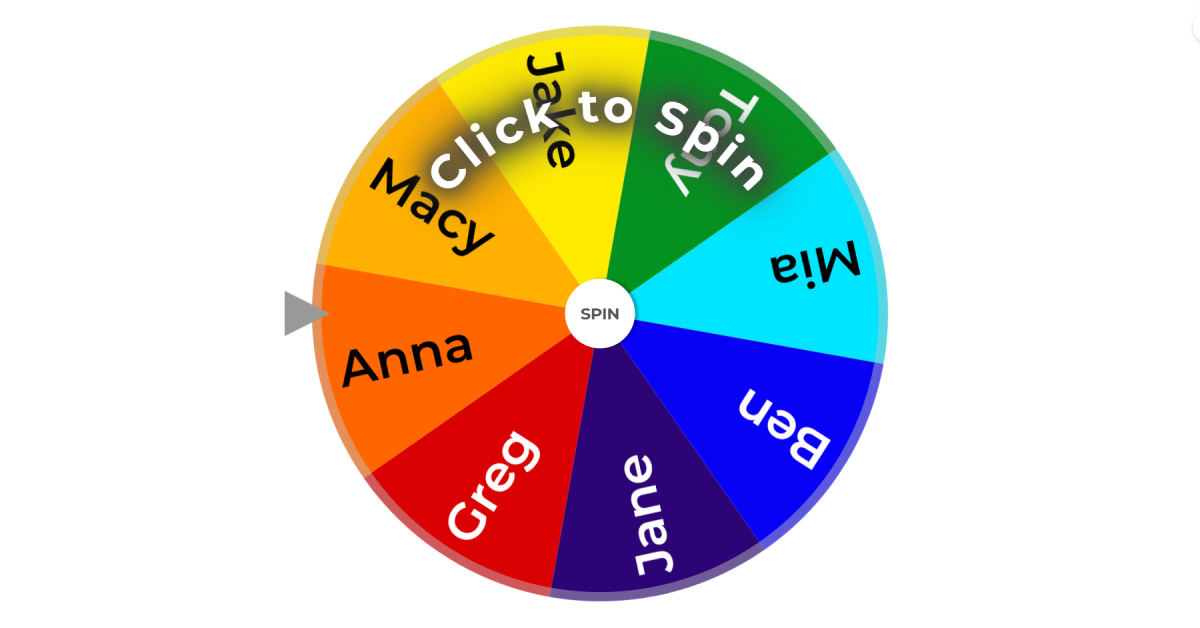
A father’s experience supporting his autistic daughter led to a simple classroom idea to help make learning more interactive, engaging and inclusive.
LONDON, UNITED KINGDOM — Fast‑growing education startup Random Wheel Spin has launched its Hidden Activity feature, turning a wheel of names into an interactive gamified learning tool backed by research that boosts engagement and supports neurodiverse students – already used by over 13,000 users worldwide each month, in classrooms and at home.
A Two‑Tiered Way to Engage Students
Unlike a standard random name picker wheel that simply picks a name or entry, Random Wheel Spin’s new system adds a second layer of interaction. Behind each segment on the wheel, educators can attach questions, facts, prompts, or mini‑tasks. When the wheel spins, it randomly selects a student and reveals the hidden activity – instantly creating anticipation, fairness, and curiosity while reducing performance anxiety.
This two‑tiered approach makes lessons more dynamic for quizzes, writing activities, group work, and icebreakers, promoting equitable participation without drawing attention to individual learners’ differences.
“Randomness removes bias, and hidden activities make learning interactive while reducing pressure,” said the platform’s creator, a software architect with over 25 years of experience. “As a parent of a neurodiverse child, I’ve seen how small design changes can completely transform how students experience learning.”
Inspired by Real Experience
The idea grew from a prototype “Shark Picker Wheel” created to help the founder’s nine‑year‑old daughter, who has autism, explore her love of marine life. Each spin revealed a shark species image and hidden facts – a motivating experience that sparked the broader classroom concept now built into Random Wheel Spin.
Research‑Backed Innovation
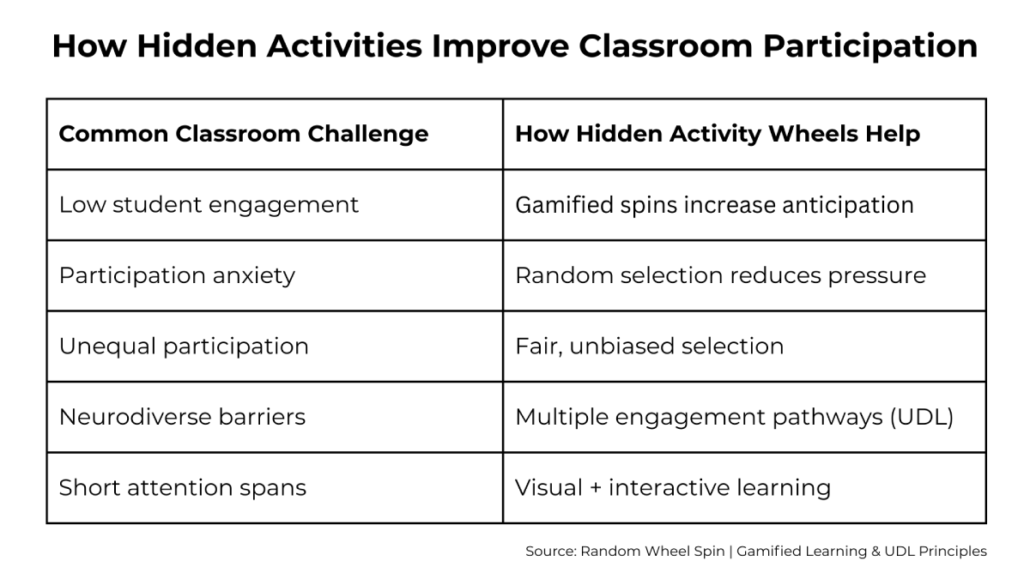
- Studies on gamified learning show that game-like elements can make students more motivated and attentive (Hamari et al., 2014).
- Research points in the same direction. When learners feel curious and are not sure what will happen next, the brain’s “reward” system switches on, which makes it more likely that new information will be remembered rather than being forgotten (Gruber et al., 2014).
- Inclusive education research also backs this kind of design. Universal Design for Learning (UDL) encourages giving students different ways to take part, especially to ease anxiety and support autistic learners who may find “hands-up” questioning stressful (CAST, 2018). Studies in classrooms have often found that when students are “actively” involved in learning, rather than just listening, engagement improves (Freeman et al., 2014)
Building Inclusive Classrooms
Teachers across primary, secondary, and homeschool settings report that the Hidden Activity feature encourages engagement and confidence. “It’s the easiest way I’ve found to get every student involved,” said one UK teacher.
The Hidden Activity wheel is available free to use at https://randomwheelspin.com. For educator resources or media inquiries, visit the website.
References
Freeman, S., et al. (2014). Active learning increases student performance. PNAS.
Hamari, J., Koivisto, J., & Sarsa, H. (2014). Does gamification work? Computers in Human Behavior.
Gruber, M. J., Gelman, B. D., & Ranganath, C. (2014). States of curiosity modulate hippocampus-dependent learning. Neuron.
CAST (2018). Universal Design for Learning Guidelines.