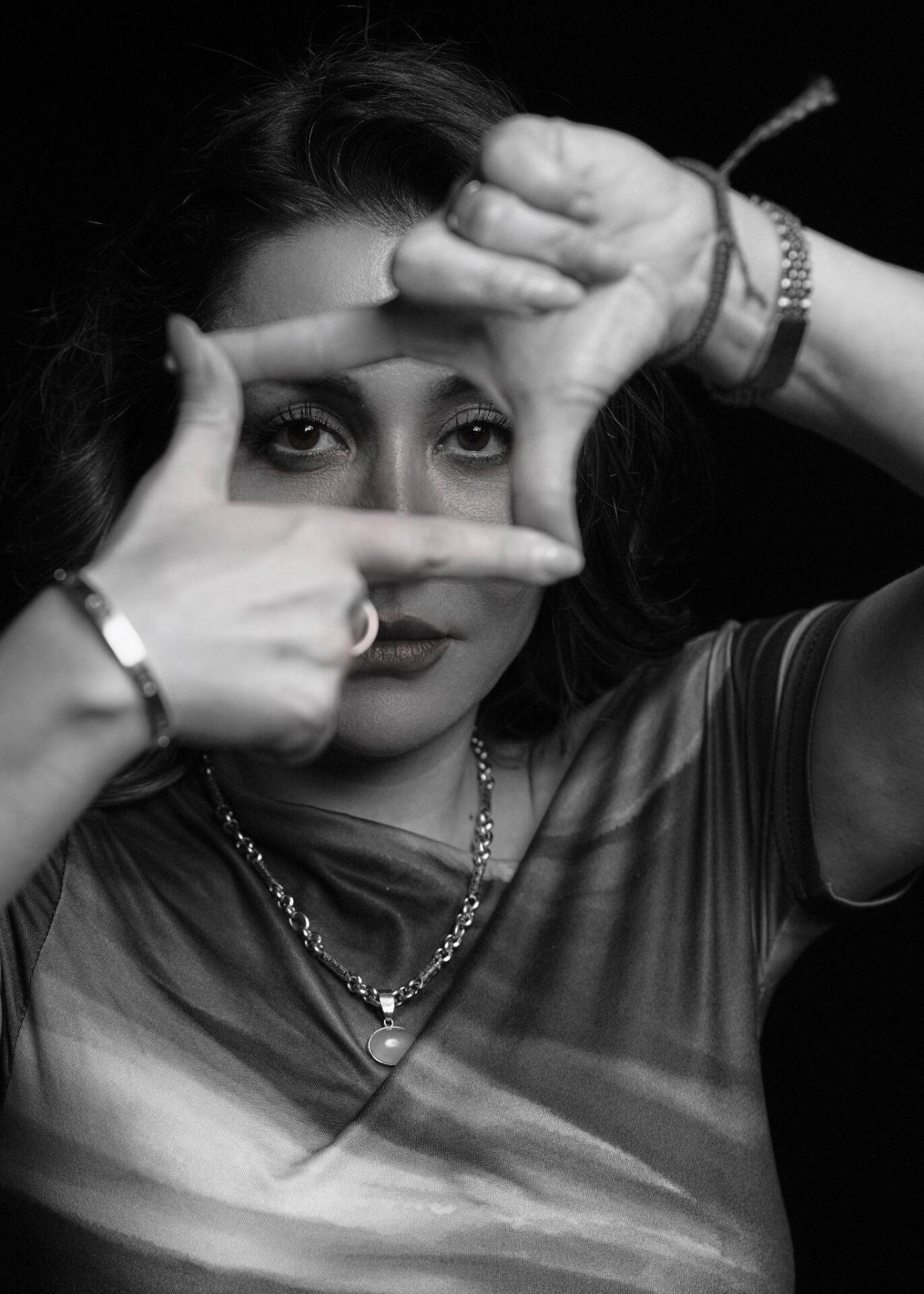
Filmmakers who tackle social justice issues often face the challenge of creating compelling narratives without losing the core message. Translating complex global struggles into relatable, character-driven cinema requires a specific vision. Many artists struggle to balance the demands of action and drama with profound philosophical questions. This creates a need for voices that can bridge the gap between pure entertainment and critical thought.
Maryam Pirband, an acclaimed Iranian-American writer and director, has built a career doing exactly that. With advanced degrees in both screenwriting and philosophy, Pirband is known for creating female-led, character-driven films that confront social realities. With two of her award-winning films Awarded at the Fiesta SATX Film Festival in San Antonio, we sat down with Pirband to discuss her creative process, her transition from stunts to directing, and how she gives life to female heroes on screen.
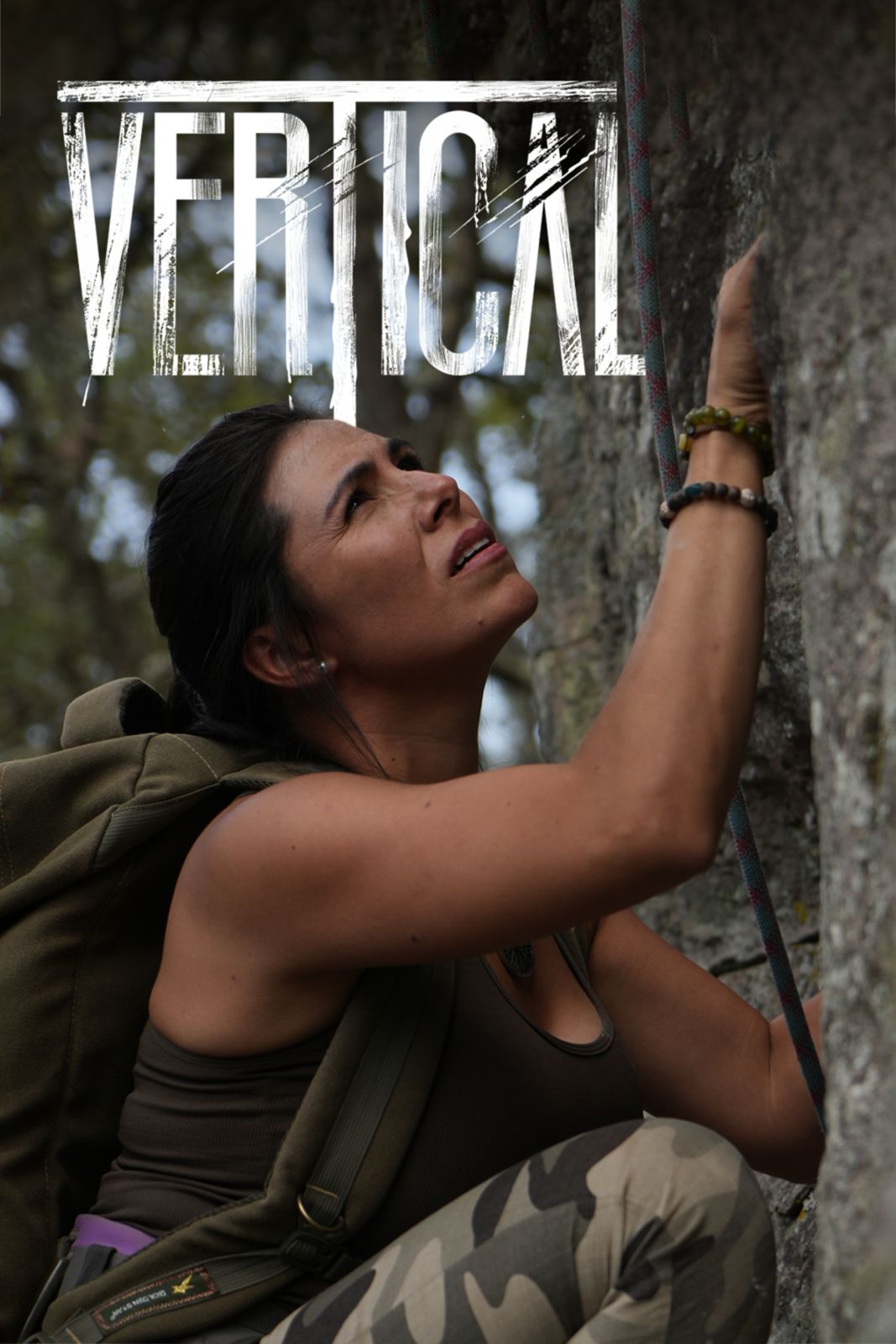
Q: Your background is fascinating, moving from stunt work and acting in Iran to writing and directing internationally. How does your experience performing stunts influence the way you direct action, especially in films like Vertical?
Maryam Pirband: I actually started as an actor, and at the same time became the first professional female stunt performer in my country. That path came with red lines, closed doors, and real Danger, many things were considered forbidden. It also took time for the industry to accept me, so during my first year of training with a German team in Iran, they had to train me in real environments—streets, buildings, and highways—jumping from bridges and working in unpredictable conditions. That experience shaped me deeply and eventually led me to become the first—and still only—female action director from Iran. Later, I was invited to direct Vertical after one of the producers, who was also one of the actors in the film, saw my work on a set in Los Angeles. He was part of an action-oriented Hong Kong cinema background, and his role in Vertical included many fights and stunts. He was impressed by the way I designed action, directed actors, and collaborated with stunt teams, which led him to invite me to direct the film. It was a beautiful challenge because, although I had directed many films before, Vertical was my first feature film in Mexico, my first Spanish-language production. As an action director, I had to create a safe and precise environment, coordinate performers and stunt teams, and communicate my vision clearly across cultures and languages. My experience with stunts helped me build that trust and make action sequences that are not only exciting, but also emotionally connected to the characters and the story.
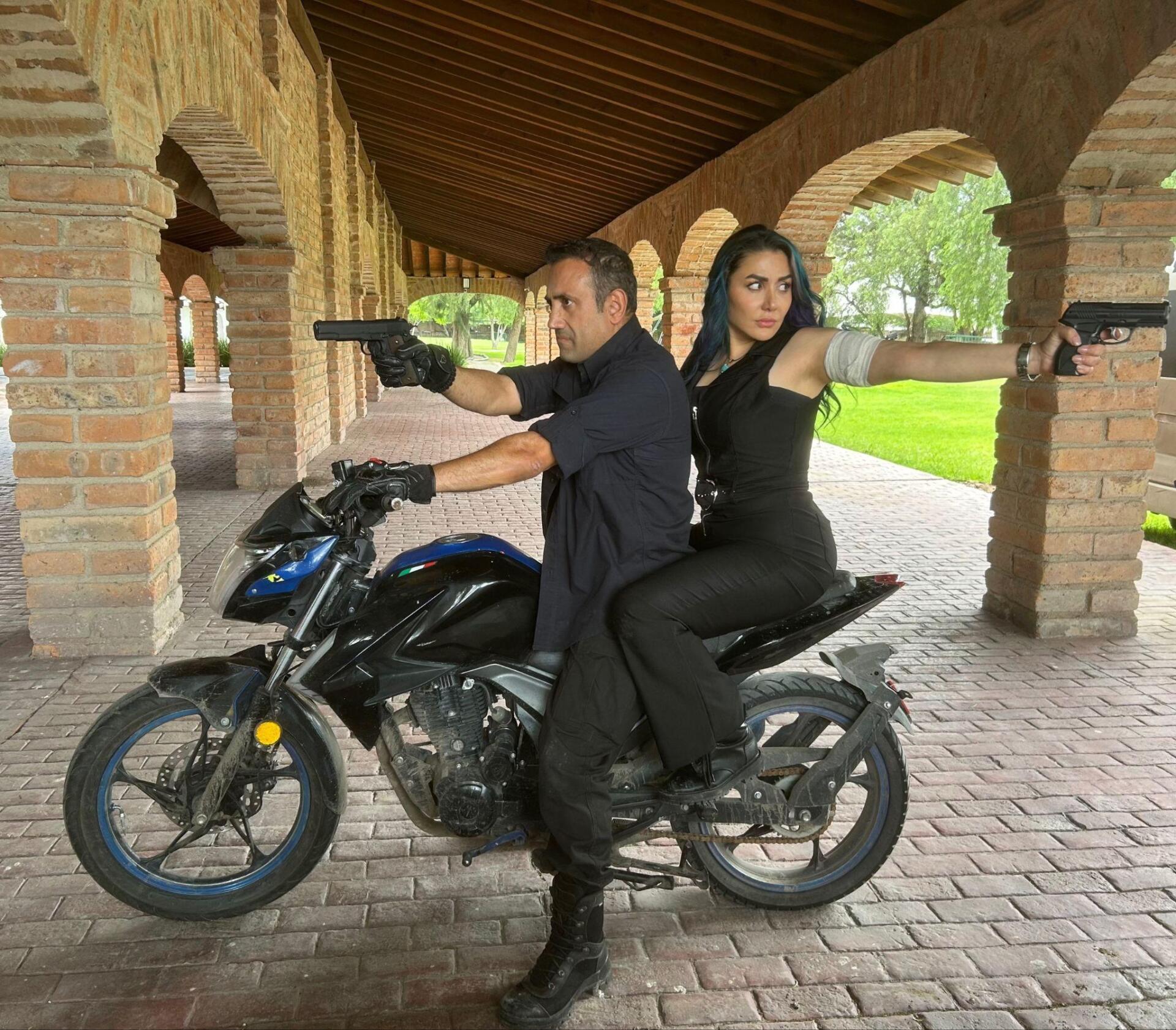
Q: You have a strong academic foundation in philosophy and are currently pursuing a Ph.D. How does studying critical thought and philosophers like Slavoj Žižek inform the way you construct your character-based stories?
Maryam Pirband: My approach to storytelling comes from both my cultural roots and my academic journey. I come from a country with thousands of years of history, and from childhood I was surrounded by books about literature, history, and cultural narratives. That early connection shaped my understanding of storytelling and gave me a deep interest in exploring human experiences across different times and societies. It is also one of the reasons I have been invited to write complex historical stories and scripts.
Later, I chose to pursue philosophy for my Ph.D. because I wanted to go deeper into the idea of transformation—the journey of change that exists within every human being. The stories of my characters are always journeys of change, because when we look at the world on a larger scale, we are all constantly moving through transformation. Philosophy allowed me to explore the deeper questions behind human behavior, society, and existence.
This journey has deeply influenced the way I approach storytelling. For me, cinema is not only about what happens to characters, but about why they make the choices they make and what those choices reveal about human nature, society, and power structures. Studying critical thought and philosophers like Slavoj Žižek has encouraged me to look beyond the surface of social issues and explore the contradictions, fears, and hidden forces that shape people’s lives.
When I create characters, especially female characters facing difficult realities, I try not to present them only as victims or heroes. I want to explore their complexity—their desires, conflicts, weaknesses, and transformations. Philosophy gives me the tools to ask deeper questions, while filmmaking allows me to express those questions through emotion, action, and human experiences. Ultimately, my goal is to create stories that entertain audiences while also inviting them to reflect on themselves and the world around them.
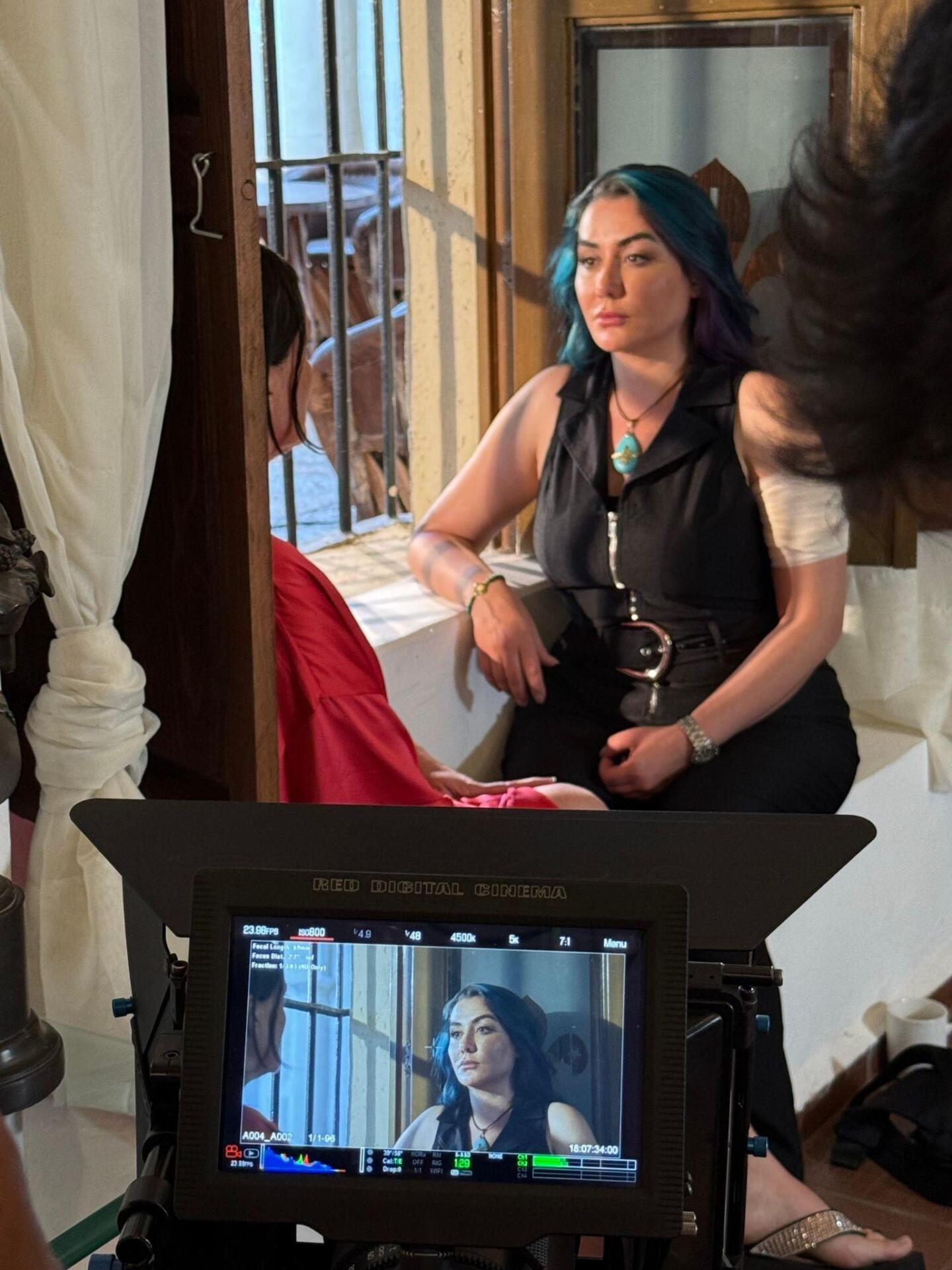
Q: Two of your films are screening at the Fiesta SATX Film Festival. What do you hope audiences in San Antonio will take away from these specific stories?
Maryam Pirband: The experience at Fiesta SATX Film Festival was truly meaningful. Both of my films, Dandelion Season and Vertical, were screened and received awards for writing and directing. The audience’s response was incredibly inspiring—I received many thoughtful and emotional reactions from viewers who connected with the characters and the stories.
The feedback for Vertical was especially important to me because it was my first feature film in Spanish and my first film deeply connected to Mexican culture and people. As a filmmaker coming from another country, I wanted to make sure I was representing their world with authenticity and respect. Receiving such a positive response from Latino audiences, especially in San Antonio, was a very meaningful moment for me. Later, when I screened Vertical in León, Guanajuato, Mexico—the place where the story was born and where we filmed the movie—the connection with the audience was overwhelming. Hearing their reactions and knowing they felt represented by the story was one of the most rewarding experiences of my career.
Both films had already traveled through many festivals and received recognition. Vertical began its festival journey with its premiere at the Chinese Theatre in Hollywood during the Silicon Beach Film Festival, where it received the Best Directing Award for a Foreign Film. Dandelion Season also continued its journey with screenings and awards at different festivals.
The conversations and feedback I received from audiences, especially in San Antonio, became part of my creative process. After the Fiesta SATX Film Festival, I traveled to Mexico to begin my next major action feature, The Blue Phoenix, which is now in the final stage of post-production. It was my second large-scale action feature in Mexico after Vertical. Every experience, every audience reaction, and every lesson from these films helped me shape The Blue Phoenix into a deeper and more powerful story.
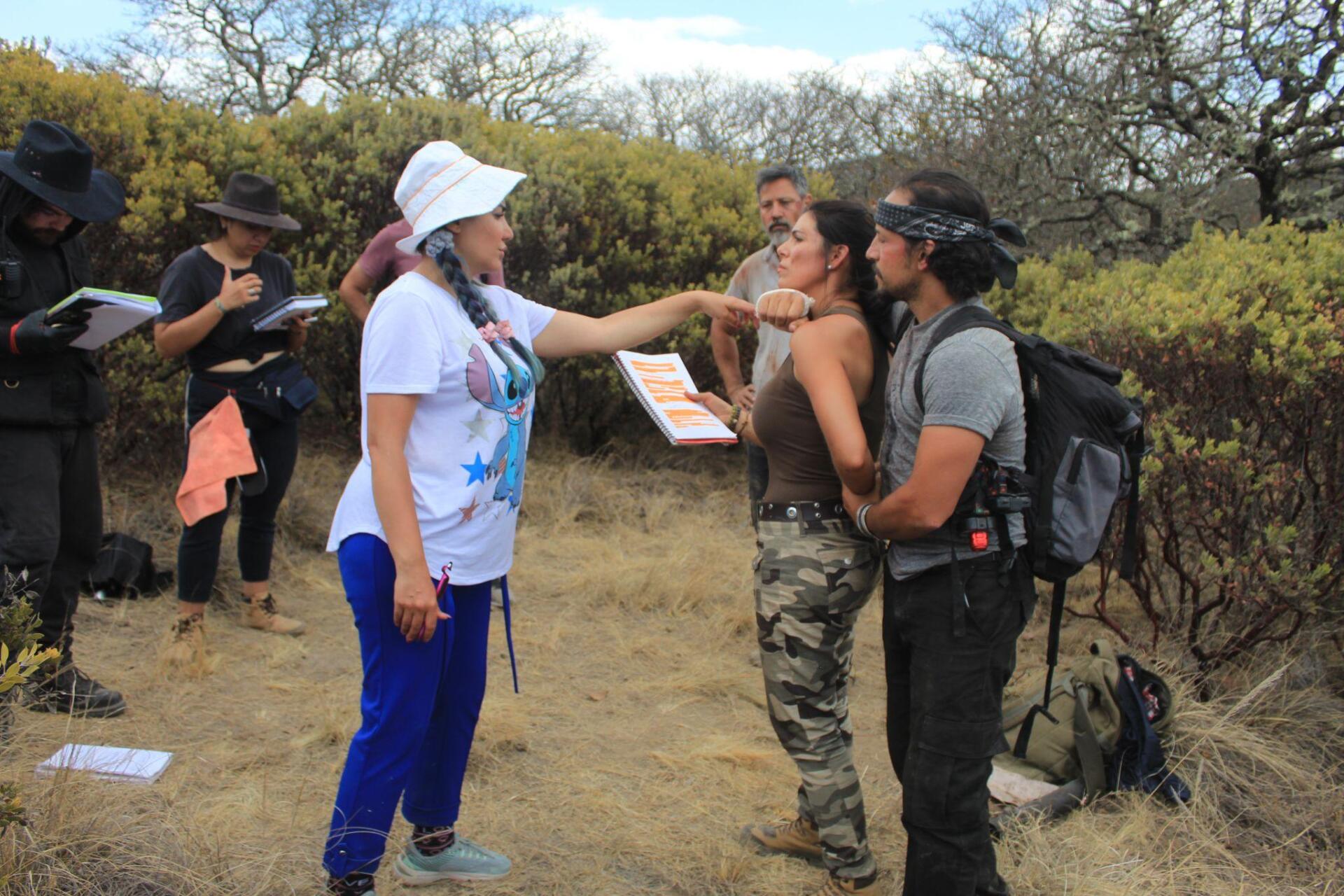
Q: From Dandelion Season to Vertical, your work often highlights strong, complex female heroes. Why is it so important for you to center women in action and social justice narratives?
Maryam Pirband: Centering women in my stories comes from both my personal experience and my belief in the power of storytelling. Coming from Iran, where women have often faced social limitations and invisible barriers, I have witnessed many stories of courage, resilience, and transformation. Even my own life story contains unbelievable challenges, so I understand what it means to challenge expectations and create space where there was none before. In Vertical, Rita is a woman who carries the responsibility of saving the world, and the film itself is built with many philosophical layers beyond the action.
For me, female characters are not interesting because they are simply strong; they are interesting because they are human. I want to show women with complexity—their fears, contradictions, dreams, and the strength they discover through difficult journeys. Whether in Dandelion Season, which explores social realities and women’s struggles, or Vertical, or my other films where a female character is placed at the center of an action story, my goal is to create women who drive the story rather than exist only around someone else’s journey.
I believe cinema has the power to expand our imagination of what is possible. By creating female heroes in action and social justice narratives, I hope to inspire audiences to see women not only as survivors of challenges, but as powerful forces who can create change, make choices, and transform their own destinies.
Q: You have served as a jury member at numerous international festivals and teach workshops for indie filmmakers. What is the most common piece of advice you give to first-time directors trying to find their voice?
Maryam Pirband: The most common advice I give to first-time directors is: find your fingerprint. Discover what you are uniquely good at and what kind of stories you can tell better than anyone else. It is not necessarily about choosing one genre. I have made films in different genres and even combined genres in my work, but the common element is always my personal voice and perspective.
I always tell filmmakers not to copy others. If you want to copy someone, their work already exists. The industry does not need another version of someone else—it needs your unique vision. Start by telling the stories you understand deeply, whether it comes from your own experiences or from a world you have researched and truly know. The connections between the characters, the culture, and the society within the story should feel authentic because you have a real understanding of them.
I share this advice from my own experience. My first film was an action short film, P6, and it created a huge reaction in Iran. People were asking, “Who is this girl who made this film?” At that time, creating a 12-minute action film with that level of intensity was something very unusual in my country. When it premiered in the competition section of the Tehran International Short Film Festival, the film itself opened doors because it showed a voice that was different.
After that, I had opportunities to work with highly recognized filmmakers, including internationally acclaimed and Oscar-nominated professionals, on my following projects. That happened because I had already created something unique. So my advice is simple: do not search for what is popular—search for what is yours. Your fingerprint is what will make people remember you.
This discussion highlights the deep intentionality behind Maryam Pirband's filmmaking. By merging her hands-on experience in action cinema with rigorous philosophical study, she creates films that challenge audiences while keeping them engaged. Her work proves that independent cinema remains a vital platform for exploring social justice and female empowerment.
As the industry continues to evolve, the demand for authentic, diverse voices in storytelling only grows stronger. Directors who can seamlessly blend action, drama, and critical thought are essential to pushing the boundaries of modern cinema. Pirband's continued success serves as an inspiring blueprint for independent filmmakers worldwide.