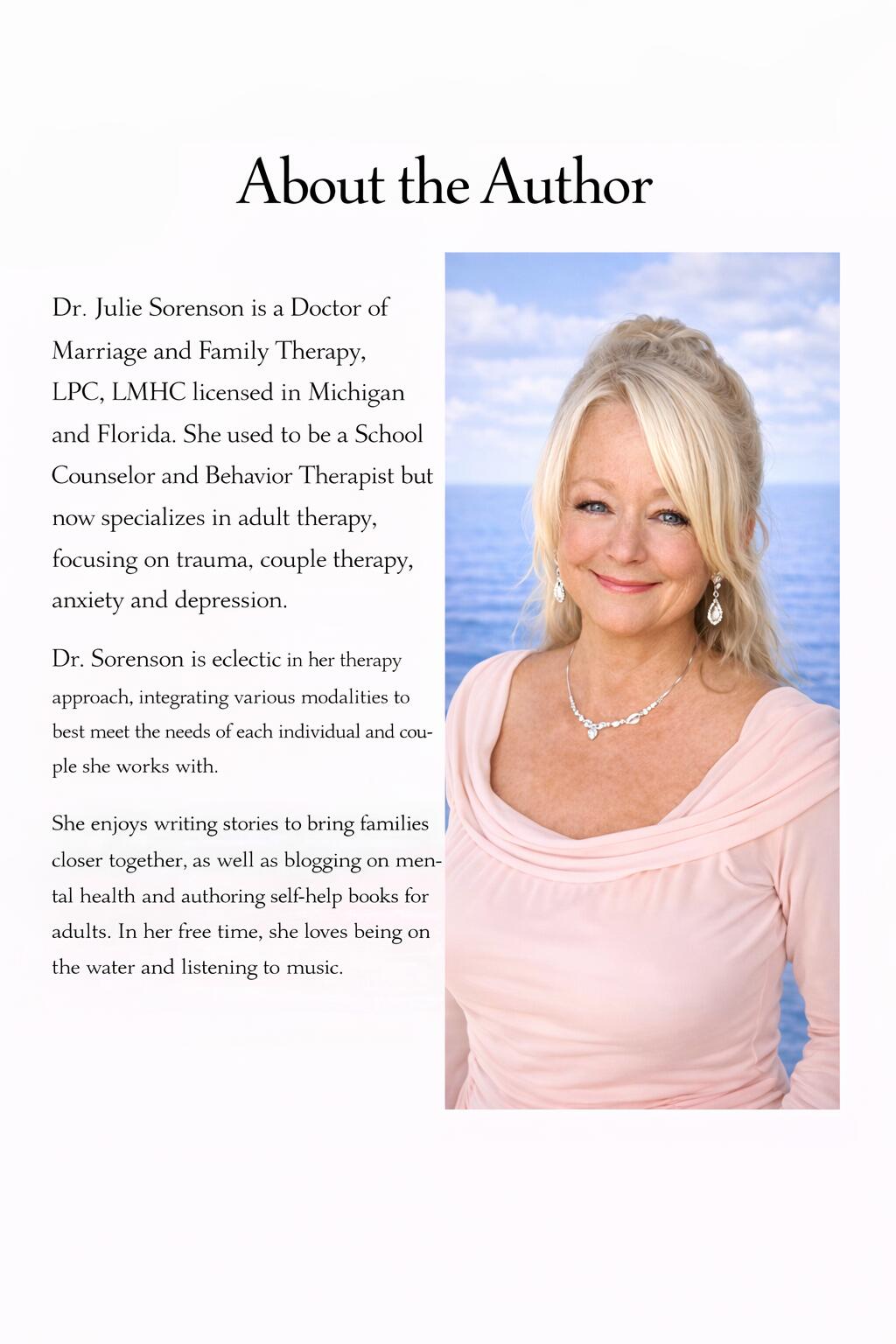
Improving Mental Health Support: Dr. Julie Sorenson on New Suicide Prevention Resources
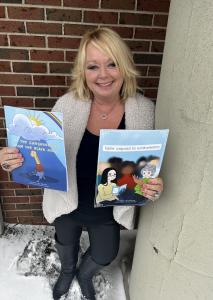
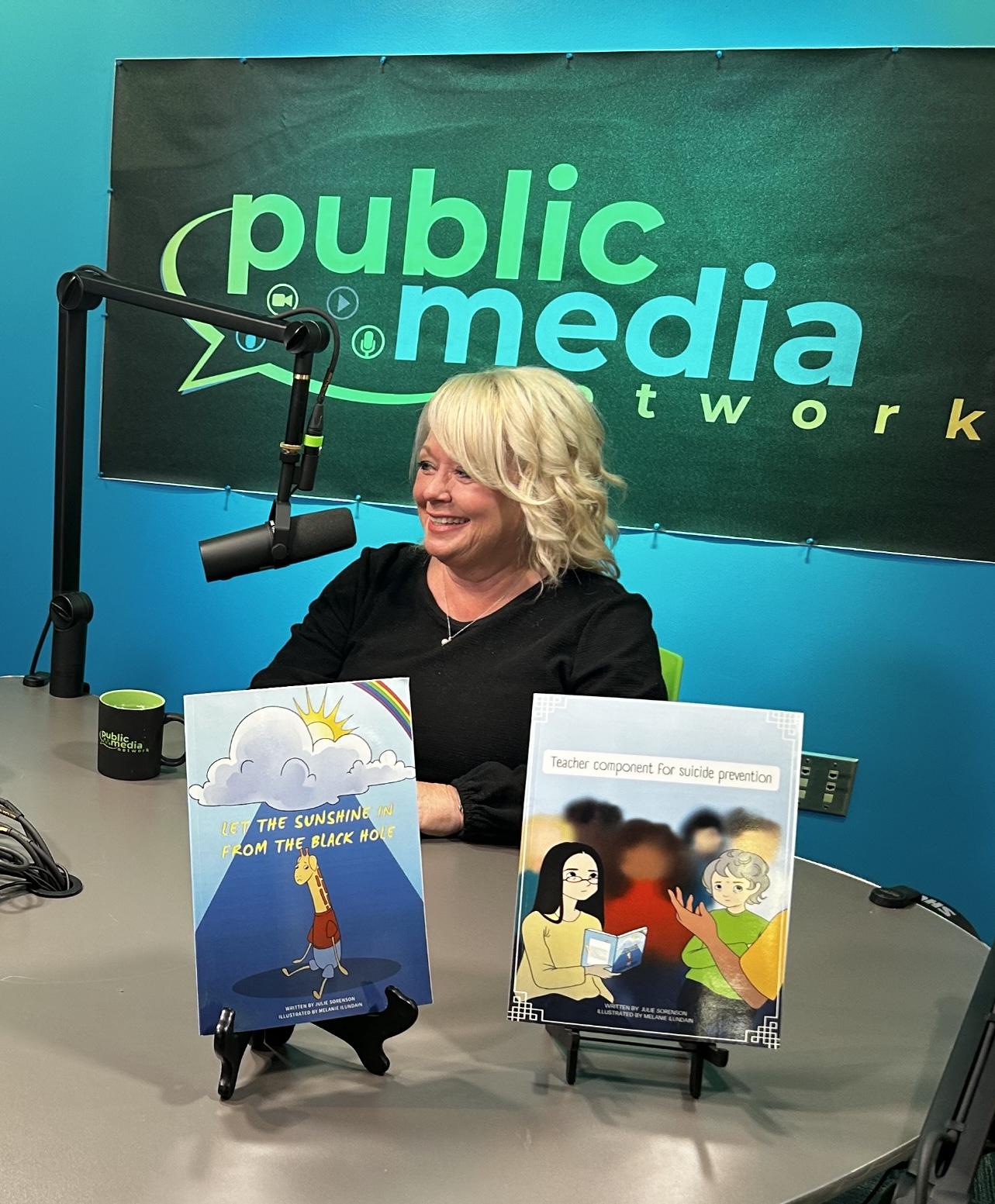
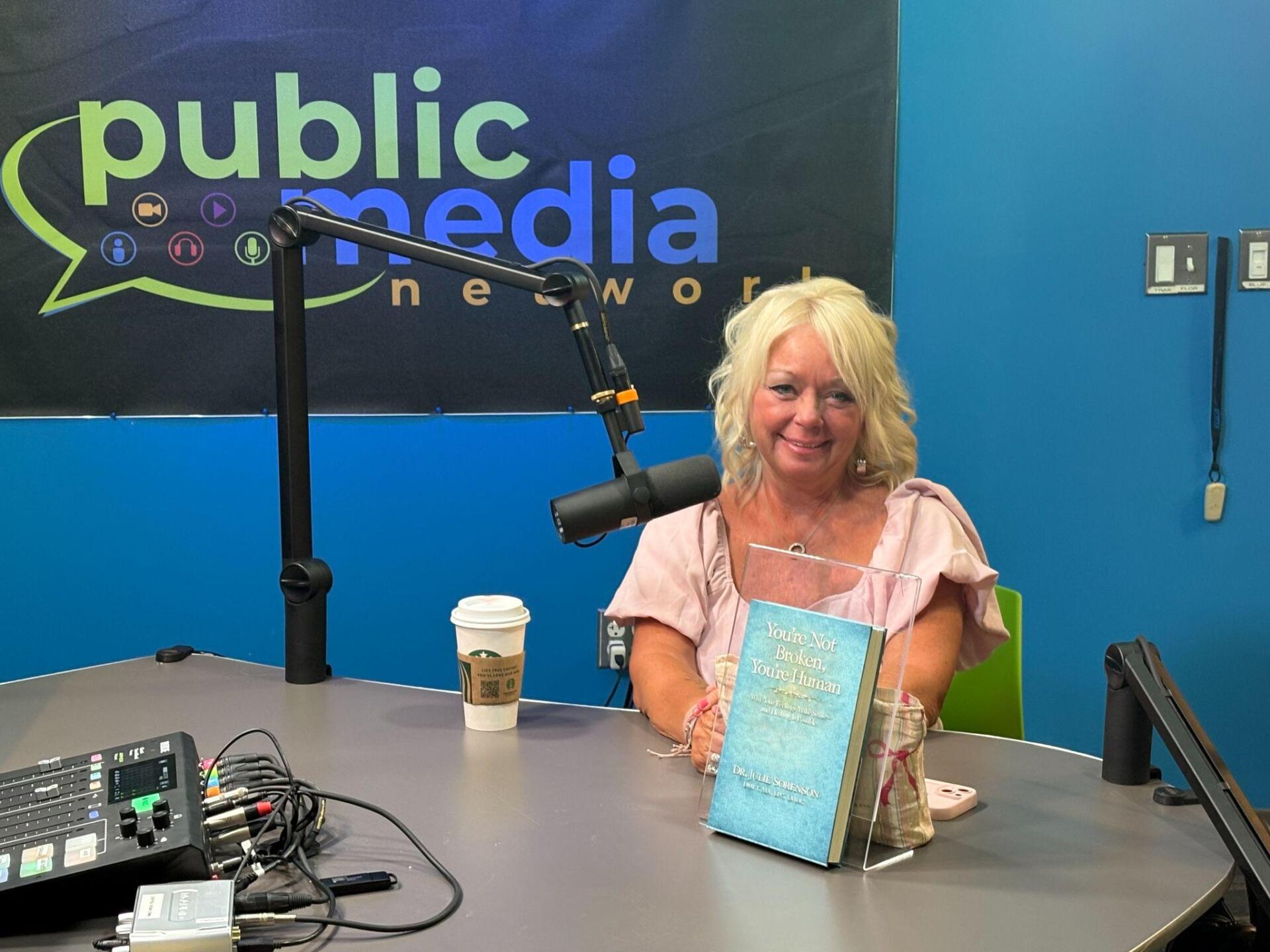
A Fresh New Start Counseling offers a practical path forward. Dr. Julie Sorenson recently introduced a new set of suicide prevention resources designed to equip individuals and communities with actionable tools for crisis intervention. In this interview, we discuss the development of these new materials, how to recognize warning signals, and the ongoing effort to reduce mental health stigma.
Q: What specific gaps in current mental health care motivated you to create these new suicide prevention resources?
Dr. Julie Sorenson: Throughout my career as a therapist, school counselor, behavior interventionist, and educator, I kept seeing the same heartbreaking pattern: people often recognized that someone was struggling, but they didn't know what to do next. Teachers, parents, friends, and even professionals wanted to help, yet many lacked practical, easy-to-use resources or were afraid of saying the wrong thing.
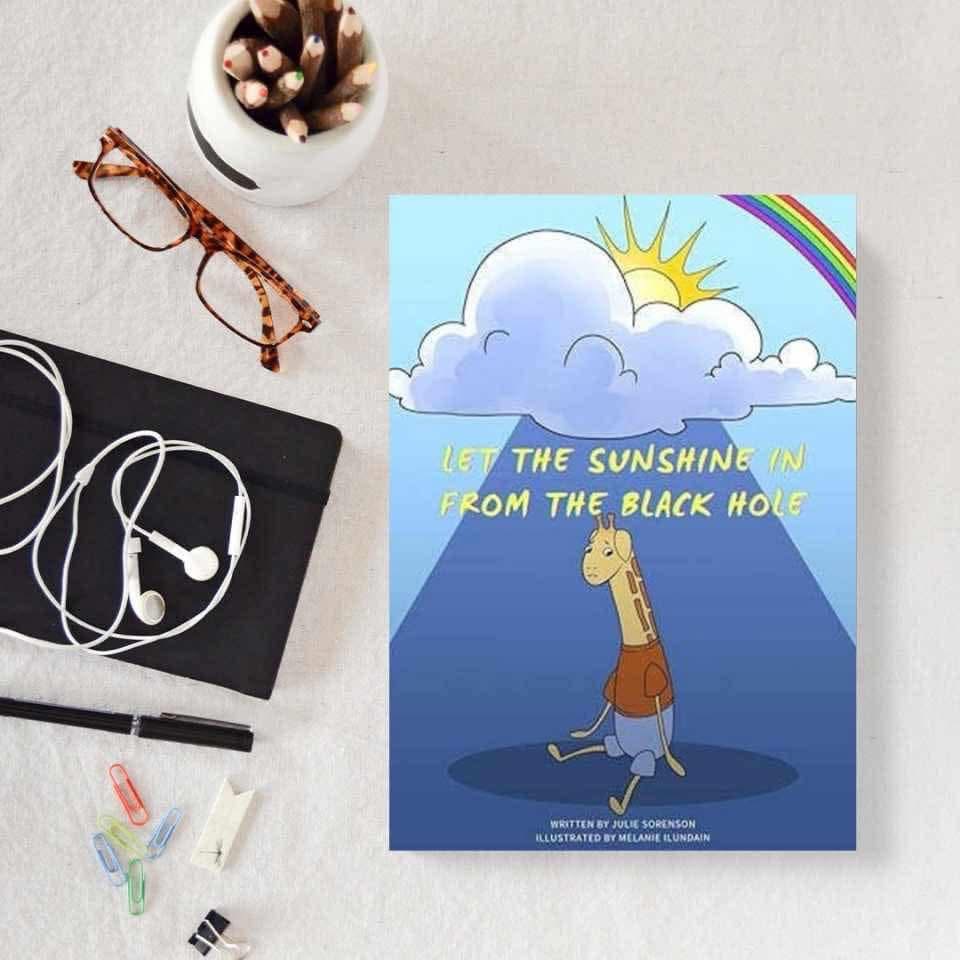
That gap inspired me to create these suicide prevention resources: Let the Sunshine in From the Black Hole and The Teacher Competent for Suicide Prevention. I wanted to move beyond simply raising awareness and instead provide clear, actionable tools that help people recognize warning signs, start difficult conversations, and connect someone with appropriate support before a crisis escalates.
The resources are also rooted in another message that has become central to my work and my book, You're Not Broken, You're Human. Many people experiencing emotional pain believe something is fundamentally wrong with them. My goal is to help people understand that their feelings make sense, reduce the shame surrounding mental health, and remind them that healing is possible. When we replace judgment with understanding and equip communities with practical skills, we create more opportunities to save lives.
Q: Stigma often stops people from asking for help. How do your new materials address and reduce this barrier?
Dr. Julie Sorenson: One of the greatest barriers to suicide prevention is stigma. Many people worry they'll be judged if they ask for help, while others fear they'll say the wrong thing if someone confides in them. Unfortunately, silence can become dangerous.
My materials are designed to replace fear with knowledge and confidence. The student book introduces difficult conversations in an age-appropriate, approachable way, helping children understand that talking about emotions is a sign of strength—not weakness. The companion teacher resource provides practical tools, including warning signs, lesson plans, conversation scripts, and guidance for responding when a child may be at risk. Rather than leaving educators wondering what to say or do, it equips them with clear, evidence-informed steps they can take immediately.
At the heart of all of my work is the belief that we need to normalize conversations about mental health long before someone reaches a crisis. When we create environments where emotions can be discussed openly, children learn that asking for help is not something to be ashamed of, it is a healthy and courageous step. That's also the message behind my book You're Not Broken, You're Human: our struggles do not define us, and healing begins when we replace shame with understanding and connection.
Q: What are the most critical warning signs that friends and family should look for if they suspect someone is in crisis?
Dr. Julie Sorenson: One of the biggest misconceptions is that there is always an obvious warning sign. In reality, people experiencing suicidal thoughts often become very good at hiding their pain. That is why it is important to pay attention to changes in behavior rather than looking for one specific symptom.
Some warning signs include withdrawing from family and friends, talking about feeling hopeless or like a burden, significant changes in sleep or appetite, increased use of alcohol or drugs, giving away valued possessions, taking unusual risks, losing interest in activities they once enjoyed, or expressing that others would be better off without them. Sometimes people may also appear unusually calm after a period of intense emotional distress because they have made a decision they believe will end their pain.
I also encourage people to trust their instincts. If someone you care about seems different, ask. Research consistently shows that asking someone directly if they are thinking about suicide does not put the idea in their head. Instead, it communicates that you care and permits them to talk about what they are experiencing. A simple conversation, genuine compassion, and connecting someone with professional support can make a life-changing difference. We cannot always prevent every tragedy, but we can create more opportunities for hope simply by noticing, asking, listening, and staying connected.
Q: Can you explain how A Fresh New Start Counseling integrates these new resources into everyday therapy and community outreach?
Dr. Julie Sorenson: As the founder of A Fresh New Start Counseling LLC, I believe education and prevention go hand in hand. I currently provide clinical counseling services through The Teletherapy Group, where individuals and families can connect with me for support. These suicide prevention resources are not intended to replace therapy. Instead, they are designed to complement it by giving parents, teachers, individuals, families, and communities practical, evidence-informed tools they can use before, during, and after difficult conversations about mental health.
In my clinical work, I help individuals better understand their emotions, develop healthy coping strategies, and recognize that healing is possible. These resources extend those same principles beyond the therapy office by equipping parents, teachers, and other trusted adults with the knowledge and confidence to recognize warning signs, begin meaningful conversations, and connect someone with appropriate support.
I also incorporate these resources into presentations, workshops, school partnerships, and professional trainings. My goal is to empower mental health professionals, parents, educators, first responders, faith communities, and community members with the confidence to recognize when someone may be struggling and the skills to respond with compassion and effectiveness. Suicide prevention is not the responsibility of one profession. It is something we all have a role in.
Whether I am working with an individual through The Teletherapy Group, partnering with schools, or speaking to a community organization through A Fresh New Start Counseling LLC, my mission remains the same: to reduce stigma, increase understanding, and remind people that they are not alone. I want people to know that asking for help is a sign of strength, that no one should have to struggle in silence, and that healing is always possible.
Q: For communities wanting to build better support systems, what is the best way to implement these tools?
Dr. Julie Sorenson: The most effective communities are not the ones that simply respond to a crisis. They are the ones that create a culture where people feel seen, supported, and comfortable asking for help before a crisis occurs. Building that kind of environment requires ongoing education, open conversations, and a shared commitment from everyone involved.
I encourage schools, workplaces, faith communities, healthcare organizations, and community leaders to view suicide prevention as a shared responsibility. Parents, teachers, coaches, first responders, employers, and neighbors all have opportunities to recognize when someone may be struggling. When people are equipped with practical tools and the confidence to respond, they become part of a stronger support system.
My resources are designed to be integrated into existing prevention efforts through classrooms, professional trainings, workshops, and community education. The goal is to give people practical strategies they can use immediately, while also creating environments where conversations about mental health are welcomed rather than avoided.
Every person has the ability to make a difference. Sometimes the most powerful intervention begins with noticing that someone is struggling, taking the time to ask how they are doing, listening without judgment, and helping them connect with the support they need. Communities become stronger when we move from awareness to action, and from silence to meaningful connection.
Q: What are your next steps for expanding mental health awareness and improving crisis intervention in the future?
Dr. Julie Sorenson: Looking beyond the United States, I believe we have an opportunity to learn from one another and share evidence-based approaches across countries. Mental health challenges do not. I hope that we continue moving from simply reacting to mental health crises toward creating a culture of prevention, early intervention, and education. While communities may differ in their needs, every individual deserves access to high-quality, evidence-informed mental health support.
One of my goals is to see more consistent standards for mental health education and crisis intervention across schools, healthcare systems, and community organizations. Everyone who works with children, adolescents, and families should have access to practical, evidence-based training that helps them recognize warning signs, respond appropriately, and connect individuals with the support they need. , No matter what state someone lives in they should be able to expect a strong foundation of mental health education and suicide prevention resources.
I also hope we continue addressing the barriers that prevent people from seeking care. Cost, limited access to providers, long wait lists, transportation, stigma, cultural differences, and uncertainty about where to turn for help all keep people from receiving the support they deserve. Expanding access means increasing the mental health workforce, strengthening school and community partnerships, improving access to telehealth, and making mental health services more affordable and available. Mental health challenges don't recognize borders, and neither should our commitment to prevention, education, and compassionate care.
As for my own work, I will continue writing, speaking, training professionals, and partnering with schools and communities to advance mental health education and suicide prevention. My children's suicide prevention resources focus on early intervention, while my book, You're Not Broken, You're Human, carries that message across the lifespan by helping people understand that their emotions make sense, that they are not defined by their struggles, and that healing is possible. Together, my goal is to provide practical tools, reduce stigma, and remind people that no matter where they are in their journey, there is always hope.
Mental health is not just the responsibility of therapists. It belongs to all of us. Parents, teachers, healthcare professionals, first responders, faith communities, employers, neighbors, friends, and family members all have the ability to recognize when someone may be struggling and offer support. When we combine education with compassion and practical tools, we create communities where people feel safe asking for help before a crisis occurs.
I hope that we continue moving beyond crisis response and toward prevention, early intervention, and education. We need to improve access to quality mental health care, reduce barriers that keep people from seeking help, and establish strong, evidence-informed standards for mental health education and crisis intervention so that individuals and families receive consistent support regardless of where they live. At the same time, we should continue learning from communities around the world and sharing effective approaches that strengthen mental health care for everyone. Mental health challenges do not recognize borders, and neither should our commitment to prevention, education, and compassionate care.
Through A Fresh New Start Counseling LLC, I will continue writing, speaking, developing educational resources, partnering with schools and communities, and providing practical tools that empower people to recognize warning signs, respond with confidence, and support those in need. My children's suicide prevention resources focus on early intervention, while my book, You're Not Broken, You're Human, carries that message throughout the lifespan by reminding people that their emotions make sense, they are not defined by their struggles, and that healing is possible.
I want people to know they are not broken. They are human. When we replace shame with understanding, fear with education, and silence with conversation, healing becomes possible. If this conversation encourages even one person to check in on a loved one, ask an important question, or seek help for themselves, then it has served its purpose. Every conversation matters. Every act of kindness matters. Every life matters.
This conversation emphasizes the urgent need for practical crisis intervention tools in everyday environments. Providing communities with accessible information gives people the confidence to step in and offer help. Dr. Julie Sorenson's suicide prevention resources bridge the gap between recognizing a problem and taking meaningful action.
Addressing the mental health crisis requires ongoing education, open dialogue, and a shared commitment to supporting one another. Mental health professionals, educators, parents, community leaders, and individuals all play an important role in creating safer, more connected communities. Through A Fresh New Start Counseling LLC, Dr. Sorenson continues this mission by providing evidence-informed resources, educational materials, professional trainings, and practical tools designed to promote healing, reduce stigma, and save lives.
If you or someone you know is struggling or in crisis, call or text 988 to reach the Suicide & Crisis Lifeline. Help is available 24 hours a day, seven days a week.
To learn more about Dr. Julie Sorenson, her counseling services, books, speaking engagements, and mental health resources, visit www.drjuliesorenson.com.