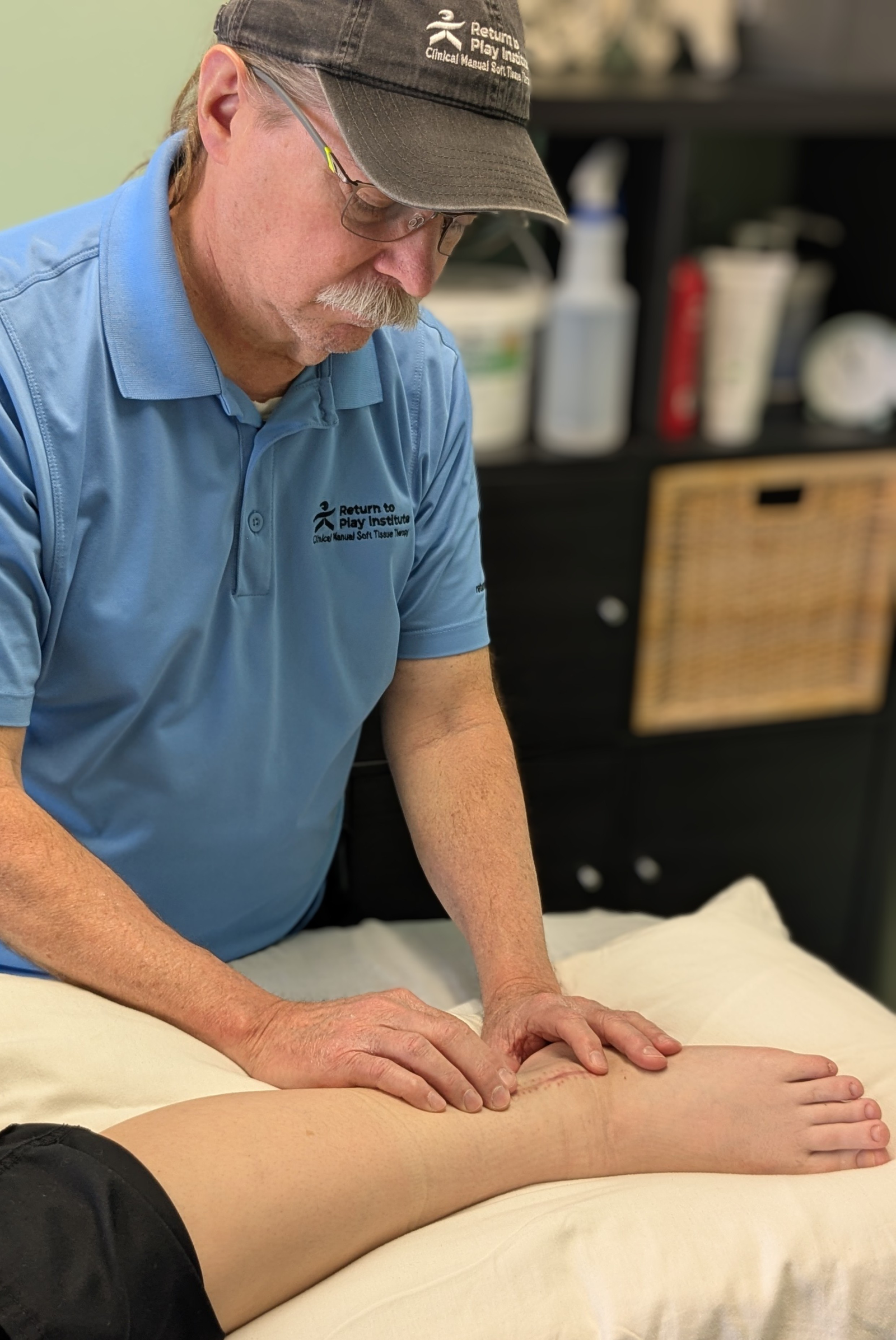
New insights highlight the importance of early intervention, structured recovery protocols, and patient education after surgery.
EDINA, MN, UNITED STATES — Many surgery patients focus on incision closure as a milestone that signals healing is complete. However, early recovery decisions can influence long-term tissue mobility, comfort, and appearance because scar tissue formation begins much earlier than most people understand.
“Patients often assume they can address scar concerns weeks or even months after surgery,” said Kevin Rebman, MS, BCTMB, NREMT, founder of Return to Play Institute, a clinical soft tissue therapy practice specializing in post-operative recovery. “In reality, scar formation begins almost immediately after surgery. What happens in the early stages of healing can shape how tissue remodels over time.”
Scar tissue is part of the body’s natural healing process. After surgical incisions, the body initiates a complex cascade of inflammatory and proliferative responses designed to close the wound and restore structural integrity. During this period, collagen fibers are rapidly laid down in a disorganized pattern. Over time, those fibers gradually remodel and align along lines of stress.
When that remodeling process is disrupted or unsupported, scar tissue can become dense, restricted, or sensitive. In some cases, patients experience tightness, pulling sensations, or reduced mobility in the surrounding area. These effects are not limited to cosmetic procedures and can occur following orthopedic, reconstructive, and other common surgeries.
According to Rebman, one of the most common misunderstandings is the belief that scars are purely surface-level concerns.
| “Scar formation begins immediately after surgery, and early understanding of how tissue heals can influence long-term mobility, comfort, and overall recovery.” — Kevin Rebman |
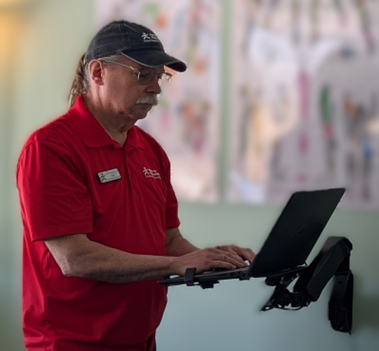
Kevin Rebman reviews post-operative recovery plans, focusing on tissue healing and long-term outcomes.
“A scar is not just something visible on the skin,” he said. “It represents a deeper change in tissue structure. The way collagen fibers organize affects how that area moves and feels. That is why early treatment and guidance matters.”
During the initial inflammatory phase of healing, swelling and fluid accumulation can contribute to tissue stiffness. Gentle, appropriately timed movement, when guided by medical advice, may support circulation and help prevent prolonged restriction. Conversely, prolonged immobility or excessive strain can complicate the remodeling process.
Patients are often discharged with general instructions related to incision care but receive limited education on the broader biology of scar formation. Rebman notes that while surgeons appropriately focus on procedural outcomes and wound closure, patients benefit from understanding what happens during the recovery weeks that follow.
“Scar remodeling is a gradual process which can continue for months,” Rebman said. “The sooner patients understand healing is active and dynamic, the better prepared they are to make informed decisions about movement, tissue care, and when to ask questions.”
In his book, Recover Smarter: The Ultimate Guide to Healing After Surgery, Rebman outlines the phases of recovery in accessible language, explaining how inflammation, collagen deposition, and tissue remodeling interact. The paperback book emphasizes communication with medical providers and reinforces that any recovery strategy should align with individualized surgical guidance.
Recovery professionals stress that patients should always follow the recommendations of their surgical team and avoid introducing techniques or products without medical clearance. However, understanding the science of scar development may help patients recognize normal healing patterns and identify concerns earlier.
“Education reduces uncertainty,” Rebman said. “When patients understand that scar formation is part of a long remodeling process, they are less likely to panic about normal changes and more likely to seek help appropriately if something does not feel right.”
As more patients seek elective and medically necessary surgeries each year, experts say closing the gap between procedure and recovery education remains an important part of improving long-term outcomes.
About Kevin Rebman / Return to Play Institute:
Kevin Rebman is a board-certified clinical myotherapist and founder of Return to Play Institute, with locations in Edina and St. Paul, Minnesota. RTPI specializes in evidence-informed manual soft tissue therapy, post-surgical recovery, and performance optimization.
Media Contact
Kevin Rebman
Return to Play Institute, LLC
+1 763-270-9330
info@returntoplayinstitute.com
www.returntoplayinstitute.com Visit us on social media: LinkedIn, Instagram, Facebook, YouTube