Research platforms are increasingly incorporating multiple methodological components within a single system to support data collection and analysis across qualitative and quantitative studies.
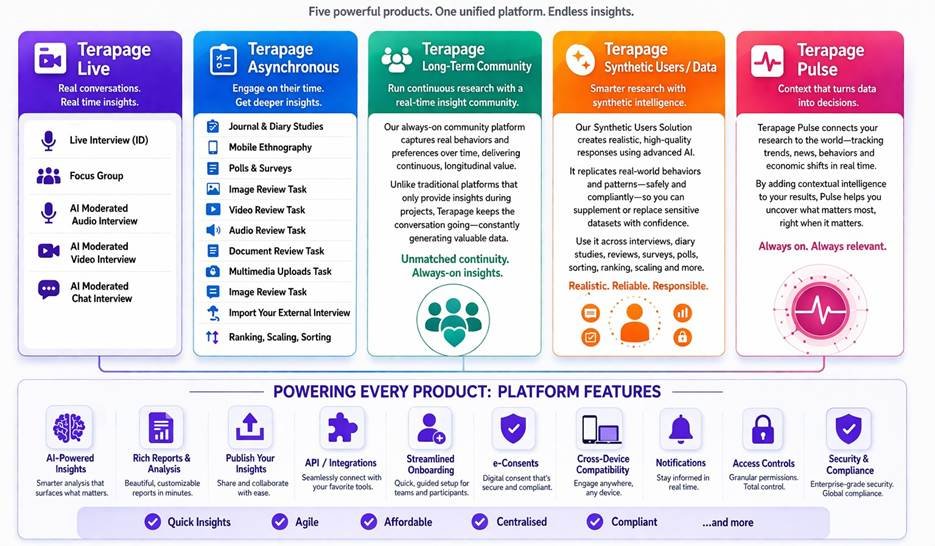
Modern research workflows now include surveys, interviews, participant journals, community-based studies, and automated reporting functions within unified platforms. These systems are designed to handle structured and unstructured data in parallel.
Methodological flexibility has become a common feature in research software development. Platforms are being configured to support mixed-method research designs that combine statistical datasets with contextual participant input.
Participant engagement features such as recruitment systems, online communities, and longitudinal study tools are included in several research environments to support ongoing data collection processes.
Artificial intelligence functions are also being applied in research workflows. These include automated theme identification, data categorization, and summarization of qualitative responses. Some systems also incorporate synthetic data generation for testing and simulation purposes.
A research strategist working with mixed-method studies stated:
“The integration of multiple data types within a single workflow changes how research teams organize and process information. Consistency across methods remains a key consideration in study design.”
Research environments now commonly include tools for real-time interaction, such as live interviews and group discussions, as well as asynchronous methods like diaries and journal-based entries.
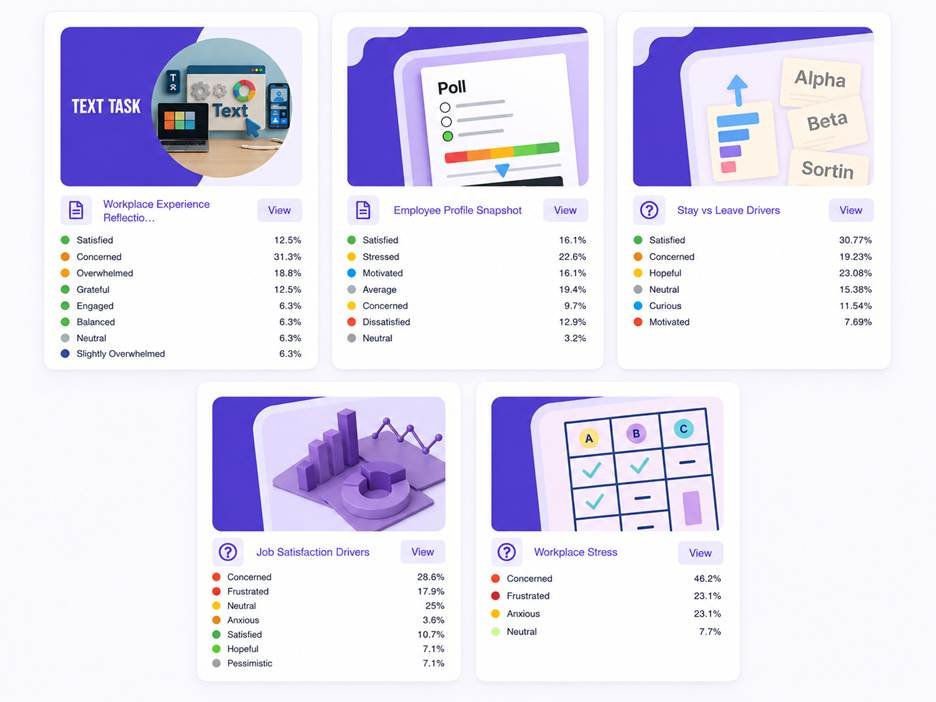
Reporting systems within research platforms typically include data visualization, export functions, and structured documentation features to support analysis and review processes.
Platforms such as Terapage provide examples of systems that combine multiple research functions within a single workspace environment.
Poor tool selection can lead to biased data, incomplete insights, or delayed reporting. On the other hand, advanced platforms like AI-Powered Insights by Terapage enable researchers to move from raw data to meaningful insights faster and with greater confidence.
As research becomes more complex, tool reliability is no longer optional, it is foundational.
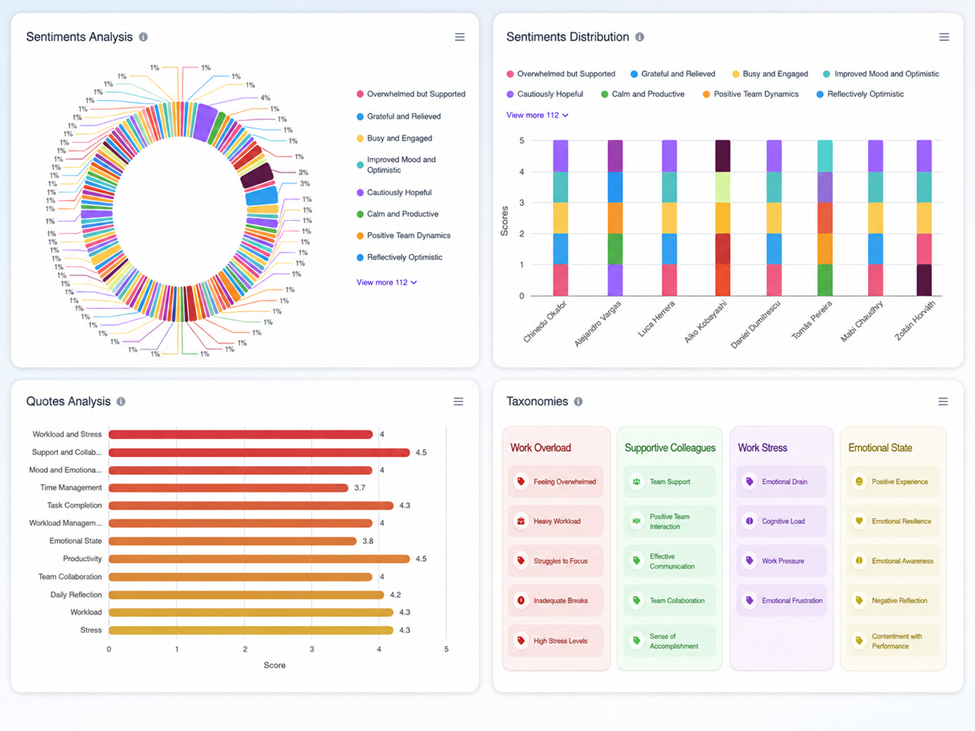
AI is becoming essential in modern research workflows, especially for identifying patterns at scale.
Pulse by Terapage
Synthetic Data Generation
These tools allow researchers to simulate scenarios, validate assumptions, and enhance predictive accuracy.