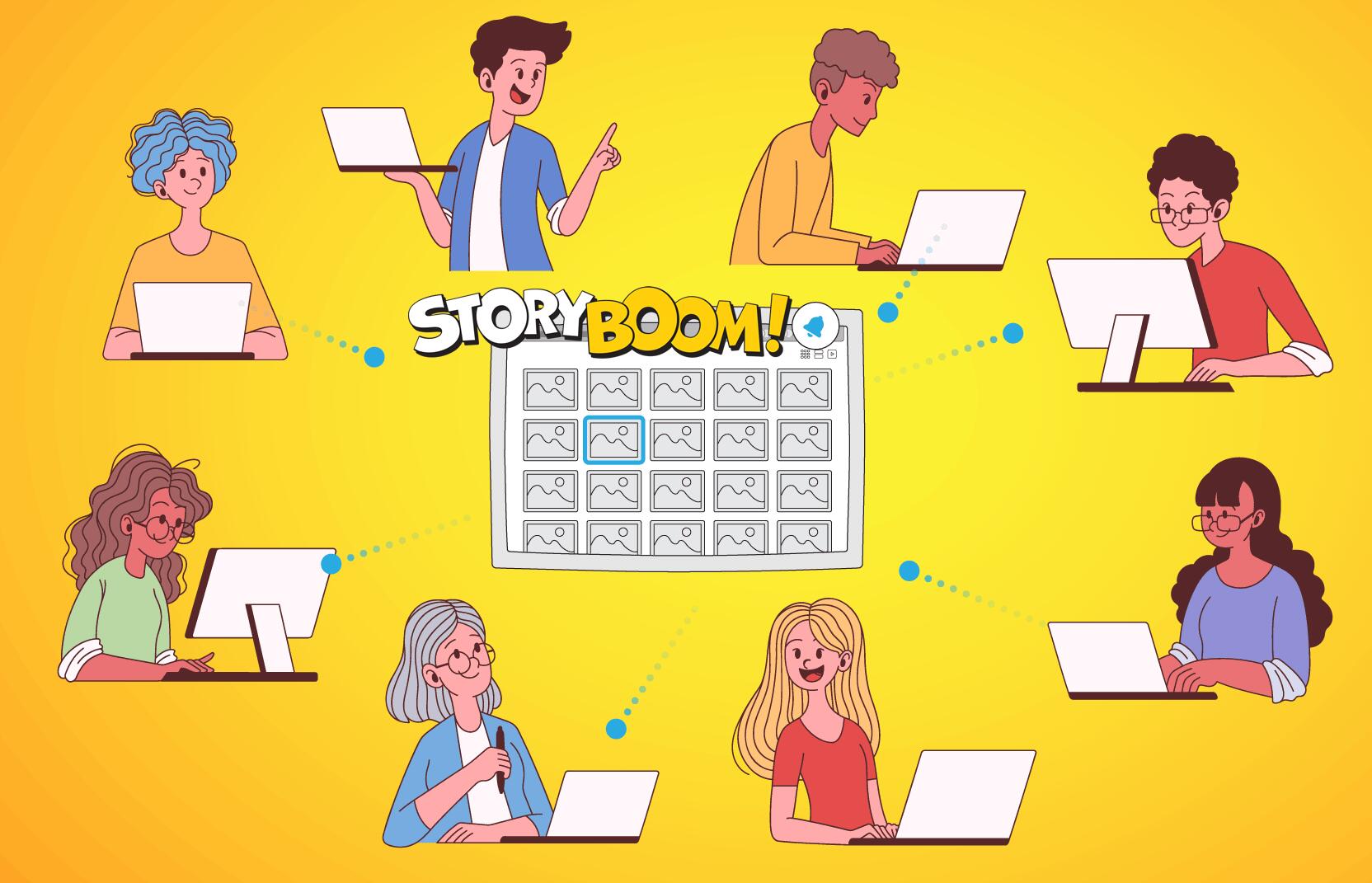
Filmmakers and visual creators often face steep financial barriers during pre-production. Professional storyboarding tools typically come with high subscription fees, restrictive time limits, and clunky interfaces that hinder remote collaboration. When software limits team access and device compatibility, the creative process suffers, forcing studios to choose between expensive legacy software and efficient workflows.
To break down these barriers, StoryBoom offers a groundbreaking application that delivers professional-grade storyboarding without the prohibitive costs. We sat down with Sergey Martinov, Founder of StoryBoom, to discuss how his platform empowers creators with a robust free starter plan, seamless real-time collaboration, and flexible cross-device compatibility. In this interview, we explore how StoryBoom is cutting costs instead of creativity for storytellers worldwide.
Q: Your Free Starter Plan allows users to collaborate with up to three members and create 80 scenes without requiring a credit card or enforcing a time limit. Why was it so important to offer such a robust set of tools completely free of charge?
Sergey Martinov: That’s a great question because the answer goes back to why StoryBoom exists in the first place.
For many years we used our own internal storyboard application at Artenergy. It helped us organize stories, but it wasn’t designed for collaboration. As our projects became more complex, we reached a point where we seriously considered abandoning it and moving to one of the established commercial solutions.
In 2023, we evaluated many of the web-based storyboarding platforms available. We had the budget and fully expected to adopt one of them. Instead, we found that most were either overly complicated, locked important features behind paywalls, or simply didn’t fit the way creative teams actually work. That experience convinced us to build a modern public version of StoryBoom instead—not only for ourselves, but for other filmmakers, agencies, educators, and independent creators facing the same challenges.
The Free Starter Plan was a direct result of that philosophy. We didn’t want people to simply test StoryBoom for a few days—we wanted them to actually use it on a real project. That’s why there’s no credit card required, no expiration date, and enough capacity to complete meaningful work with a small team.
If StoryBoom helps people tell better stories, they’ll naturally know when they’re ready to grow with us. We think that’s a much healthier relationship than forcing users to hit a paywall before they’ve even discovered whether the software fits their workflow.
Q: Pre-production relies heavily on clear team communication. How do StoryBoom’s real-time notifications, scene-specific commenting, and customizable share settings streamline the feedback loop for remote film crews?
Sergey Martinov: Storyboarding has never really been about drawing pictures—it’s about communication.
Every scene raises questions. Should the camera move? Is the pacing right? Does the dialogue support the visual? Traditionally those conversations happen through long email threads, chat messages, or meetings that quickly become disconnected from the storyboard itself.
We wanted every discussion to happen exactly where it belongs—on the scene being discussed. Team members can leave comments, receive notifications when something changes, and keep conversations attached to the relevant shot instead of searching through unrelated messages later.
The sharing controls are equally important. Sometimes you want the whole production team collaborating, while other times you simply need to send a secure review link to a client or producer. StoryBoom gives creators that flexibility without making collaboration complicated.
The result is faster decisions, fewer misunderstandings, and more time spent improving the story instead of managing communication.
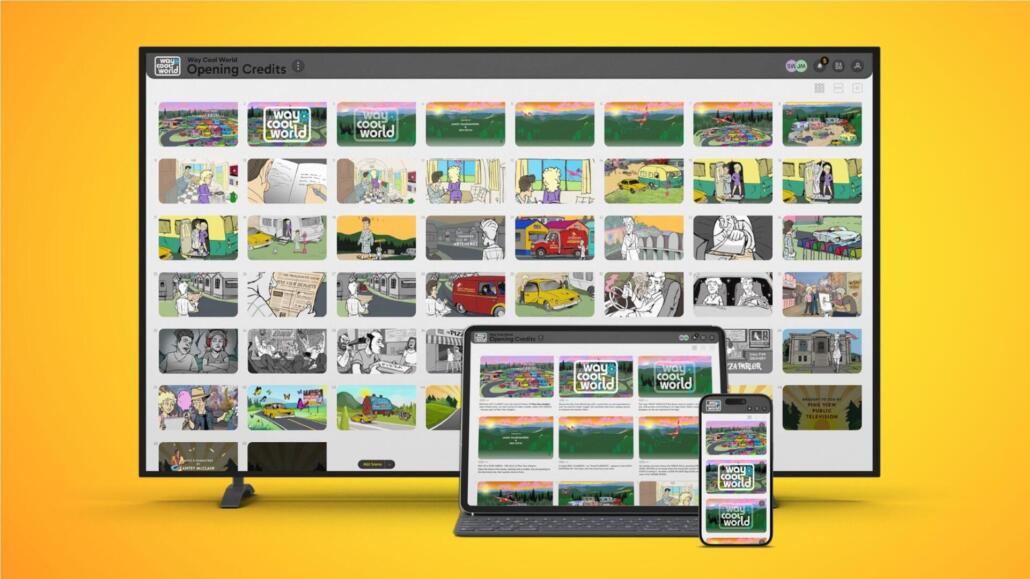
Q: StoryBoom is designed to adapt to everything from smartphones to massive studio displays. How does this seamless multi-device compatibility change the way entire film crews view and interact with storyboards on set?
Sergey Martinov: Creative work doesn’t happen in one place anymore.
A director might review scenes on a large display in the studio. A cinematographer may check the storyboard on a tablet during a location scout. Producers often approve changes from a laptop, while someone else quickly references a scene on a phone.
We designed StoryBoom to feel natural across all of those devices without requiring separate versions or sacrificing functionality. The same project follows you wherever you’re working.
That flexibility also makes presentations much easier. Whether you’re pitching an idea to a client, reviewing a sequence with a production team, or checking the next shot on set, everyone is looking at the same up-to-date storyboard.
Our goal was simple: the technology should adapt to the creative process—not force the creative process to adapt to the technology.

Q: As projects grow, production needs constantly change. Can you explain how your intuitive pricing calculator allows studios to scale their scene capacity and team size while only paying for exactly what they use?
Sergey Martinov: Every production is different. An independent short film doesn’t have the same needs as a feature film, animation studio, or advertising agency.
Instead of forcing customers into rigid subscription tiers, we wanted pricing to scale naturally with each project. Our calculator lets teams choose the number of scenes and collaborators they actually need, so they aren’t paying for resources they’ll never use.
That flexibility is especially valuable because productions evolve. Teams grow, scenes are added, and requirements change throughout development. StoryBoom grows alongside the project without requiring users to jump between entirely different plans.
We believe software pricing should be as straightforward as possible. When creators understand exactly what they’re paying for, they can focus on budgeting their production instead of deciphering complicated subscription models.
Q: StoryBoom is driven by a small team headquartered in California that focuses on user needs over pure profit motives. How does this privately owned structure influence the features you prioritize and the global creative community you are building?
Sergey Martinov: I’ve been living in the Bay Area since 1995 and working in technology since 1998. During that time, I’ve had the opportunity to help design and build many digital products across different industries.
One thing I’ve learned is that independently owned companies have a unique advantage: they have the freedom to make decisions based on what’s genuinely best for their users rather than on quarterly targets or competing internal priorities.
That independence shapes every decision we make at StoryBoom. We don’t build features simply because they’re fashionable or because they increase subscription revenue. We build them because filmmakers, creative agencies, educators, and storytellers tell us they solve real problems.
StoryBoom was created by people who use storyboards themselves, so we understand the workflow from firsthand experience. Our goal is to keep improving the platform based on practical feedback from the creative community.
I believe the best creative tools are designed by people who genuinely care about helping others create great work. When your priorities stay aligned with your users, innovation tends to follow naturally.
The insights shared by Sergey Martinov illustrate a necessary shift in pre-production software. By prioritizing accessibility and real-time collaboration, StoryBoom removes the traditional financial hurdles that hold independent creators and professional studios back. Seamlessly integrating across devices and offering transparent, usage-based scaling ensures that teams can focus entirely on visual storytelling rather than managing software limitations.
As remote work and digital collaboration continue to dominate the film and media industries, the demand for flexible, cost-effective creative tools will only grow. Platforms that put user needs ahead of aggressive monetization will lead the next generation of content creation. StoryBoom provides a highly adaptable ecosystem, proving that professional-grade production tools can be both powerful and highly accessible.
To learn more, visit https://storyboom.co/