Millions of children and mothers in developing regions lack access to basic, life-saving medical care. Financial barriers prevent families from securing treatments for curable conditions, often leading to preventable tragedies. Traditional aid organizations frequently face bureaucratic delays, leaving the most vulnerable patients waiting for urgent interventions. Communities need a direct, transparent way to connect patients with the funds required for immediate medical support.
Helpster Charity addresses this crisis by bridging the gap between donors and patients in need. The organization recently released its annual report, revealing a doubled impact in the fight against maternal and child mortality. By operating a transparent funding model, Helpster ensures that financial aid goes directly to medical treatments. In this interview, we discuss the findings of the recent annual report, the challenges of delivering global healthcare, and the strategies driving their rapid expansion.
Q: Your latest annual report indicates a doubled impact over the past year. What specific operational changes allowed you to reach and treat so many more patients?
Kate Lysykh: The biggest change has been in consistently strengthening our operational systems behind every medical case. We’ve invested in integrating the use of better technological and even artificial intelligence; expanded our network of accredited hospitals, and refined our internal medical verification process so that urgent cases could move from assessment to funding speedily.
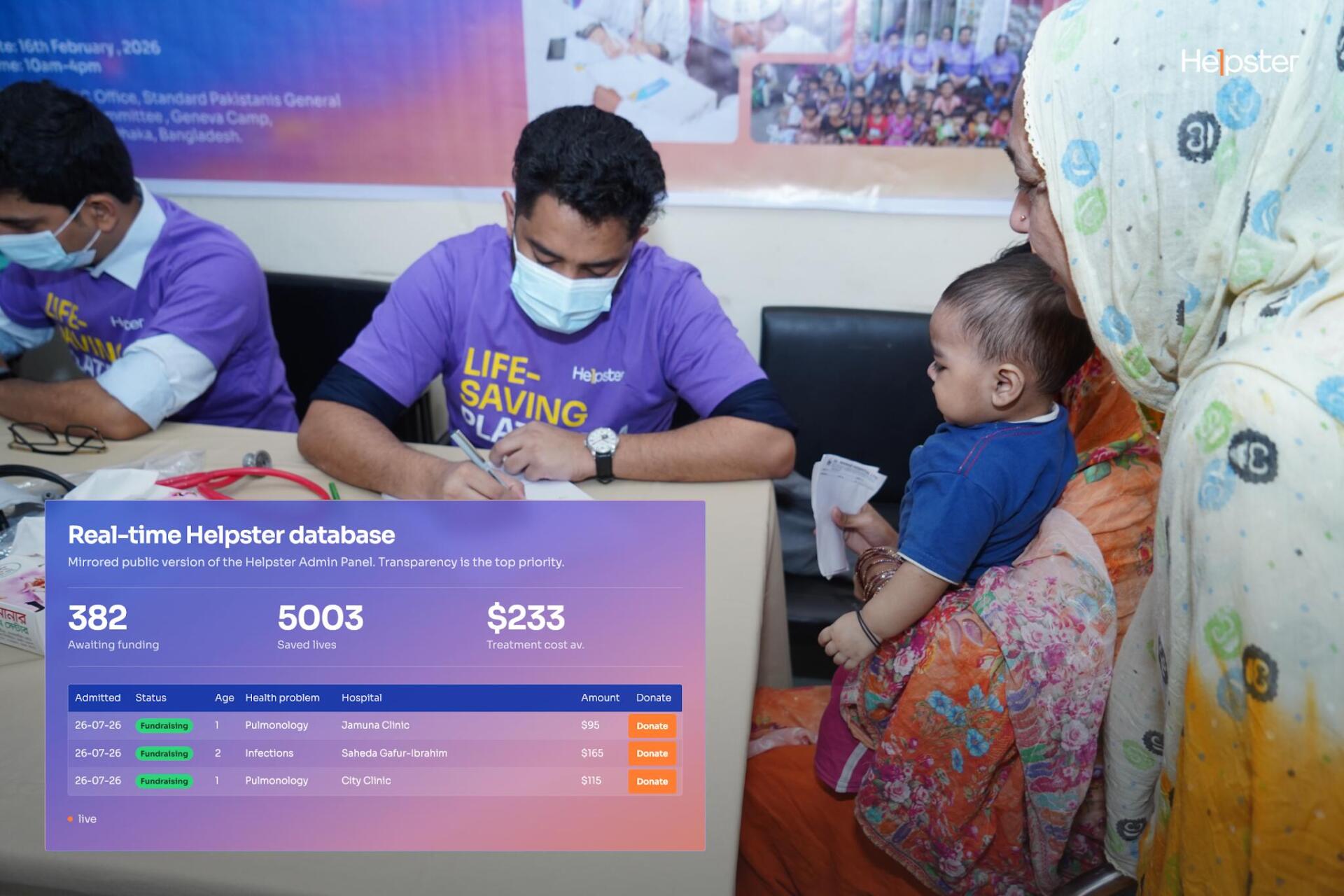
In 2025 alone, we reviewed 2,676 medical requests and approved funding for 2,122 patients across Nigeria, Kenya and Bangladesh. Within half mile of this year; we have doubled that impact by saving over 5,000 lives. We also grew our hospital network to 91 accredited facilities, allowing us to reach more communities while maintaining rigorous due diligence.
It’s important to note that our growth isn’t simply about processing more cases; but about doing so without compromising transparency or accountability. Every approved treatment is medically verified, and every disbursement is made directly to healthcare providers. That combination of technology, trusted partnerships and disciplined governance enabled us to significantly expand our impact.
Q: Maternal and child mortality remains a severe crisis in developing regions. How does your team identify and verify the medical cases that require immediate funding?
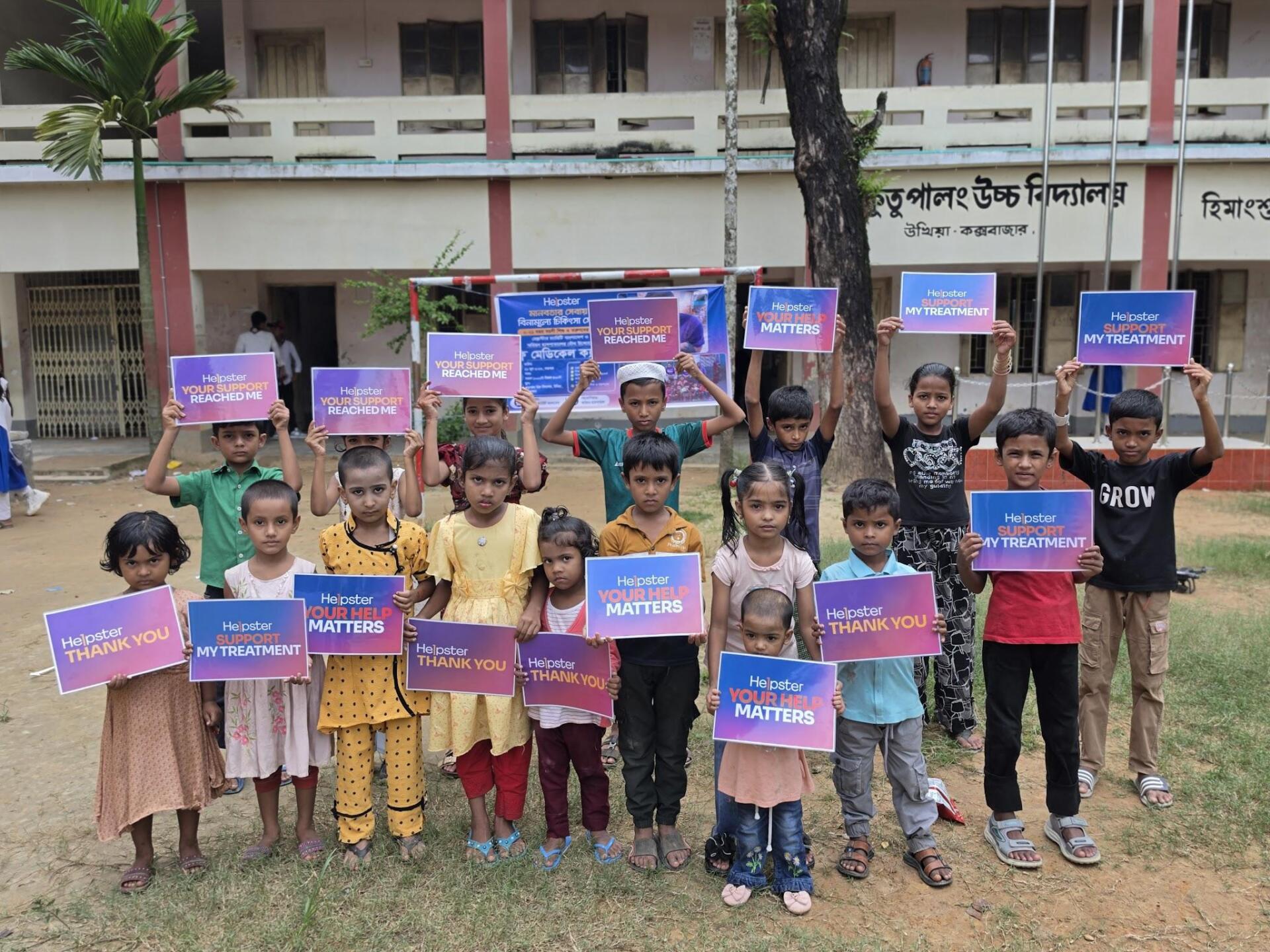
Kate Lysykh: Our model begins with medical verification rather than fundraising. Patients are referred through our network of accredited hospitals, healthcare professionals, or heath outreaches – where we set up medical camps in regions with little access to modern healthcare. More importantly thereafter, each case is reviewed to confirm both the diagnosis and the financial need.
Our medical and administrative team evaluates clinical documentation, treatment plans and estimated costs before approving funding. We also prioritise cases based on urgency, recognising that delays in treatment can be life-threatening, particularly for mothers experiencing pregnancy complications or children requiring emergency care.
Maternal and child health remains one of our largest areas of intervention. During the reporting period, Helpster funded hundreds of maternal health cases, ensuring women received critical care when financial barriers might otherwise have prevented treatment.
Q: Donors often worry about transparency and high administrative overhead. How does the Helpster model guarantee that contributions directly fund hospital treatments?
Kate Lysykh: Transparency is the foundation of our model.
Unlike many traditional health fundraising platforms, donations are never paid directly to patients, or their families. Instead, approved funds are disbursed directly to accredited hospitals for verified medical treatments. This significantly reduces the risk of misuse while giving donors confidence that their contributions achieve their intended purpose.
Our 2025 Impact Report also reflects this commitment. More than 93% of funds raised were directed to patient treatment costs, while administrative expenses remained below 7%. Every case follows a documented verification and payment process, allowing us to combine compassion with accountability.
Ultimately, our goal is to build trust – not only with donors, but also with hospitals, partners and the patients we serve.
Q: Expanding healthcare access across different countries presents unique logistical hurdles. What is the biggest challenge your organization faces when partnering with local medical facilities?
Kate Lysykh: Every healthcare system operates differently, so one of our biggest challenges is creating a consistent verification and payment process that works across multiple countries while respecting local realities.
Hospitals vary in their administrative systems, documentation requirements and treatment pathways. Building strong local partnerships therefore takes time and continuous engagement.
Fortunately, our technology platform provides a common framework for reviewing cases, managing approvals and making secure payments. Combined with trusted local hospital partners, and volunteers, this allows us to maintain the same standards of transparency and accountability whether we’re supporting patients in Nigeria, Kenya or Bangladesh.
Q: The annual report highlights a massive increase in saved lives. Can you share a specific medical intervention from the past year that stands out as a defining success for your team?
Kate Lysykh: One of the most meaningful successes isn’t a single case but a pattern we’ve seen repeatedly throughout the year.
We’ve supported numerous mothers who arrived at hospital with life-threatening pregnancy complications but were unable to proceed with treatment because they couldn’t afford the required medical costs. Through rapid verification and direct hospital payments, they received emergency care in time, allowing both mother and child to survive.
Those moments remind us why speed matters in critical cases. When financial barriers are removed quickly, hospitals can focus on what they do best, which is saving lives.
Every patient represents a family whose future has been changed, and that’s ultimately the impact we’re most proud of.
Q: As you look toward the next fiscal year, what are your primary goals for scaling this funding model and reducing preventable mortality rates even further?
Kate Lysykh: Our ambition is direct: help more patients access life-saving care without delay.
We’ll continue expanding our network of accredited hospitals, seeking and strengthening partnerships with institutional donors and corporate organisations, and further improve the process that enables faster, error-free verification and funding decisions.
We’re also investing in greater public awareness because millions of people still don’t know that help is available when they face catastrophic medical costs. By growing both our donor community and our healthcare network, we believe we can reach thousands more patients while maintaining the transparency and accountability that define the Helpster model.
Every life saved reinforces our belief that financial hardship should never determine who receives medical treatment.
This conversation highlights the power of direct, transparent medical funding. Helpster demonstrates that removing bureaucratic delays saves lives on a massive scale. By connecting donors directly with verified medical cases, the organization provides an effective blueprint for addressing global healthcare disparities.
Securing timely medical care will remain a critical challenge for underserved communities. Charitable models that prioritize speed, transparency, and direct impact offer the best path toward reducing preventable deaths. Helpster Charity leads this effort, ensuring that financial limitations do not stand in the way of life-saving medical treatments.
To learn more visit https://helpstercharity.org/