Navigating modern relationships has become increasingly complex. Stress, fast-paced lifestyles, and digital distractions often strain the bonds between partners, families, and communities. When communication breaks down and emotional distance grows, mental wellness suffers, leading to feelings of isolation and burnout. Many people recognize that their coping strategies are no longer working, yet they struggle to find accessible, holistic support to repair and deepen their connections.
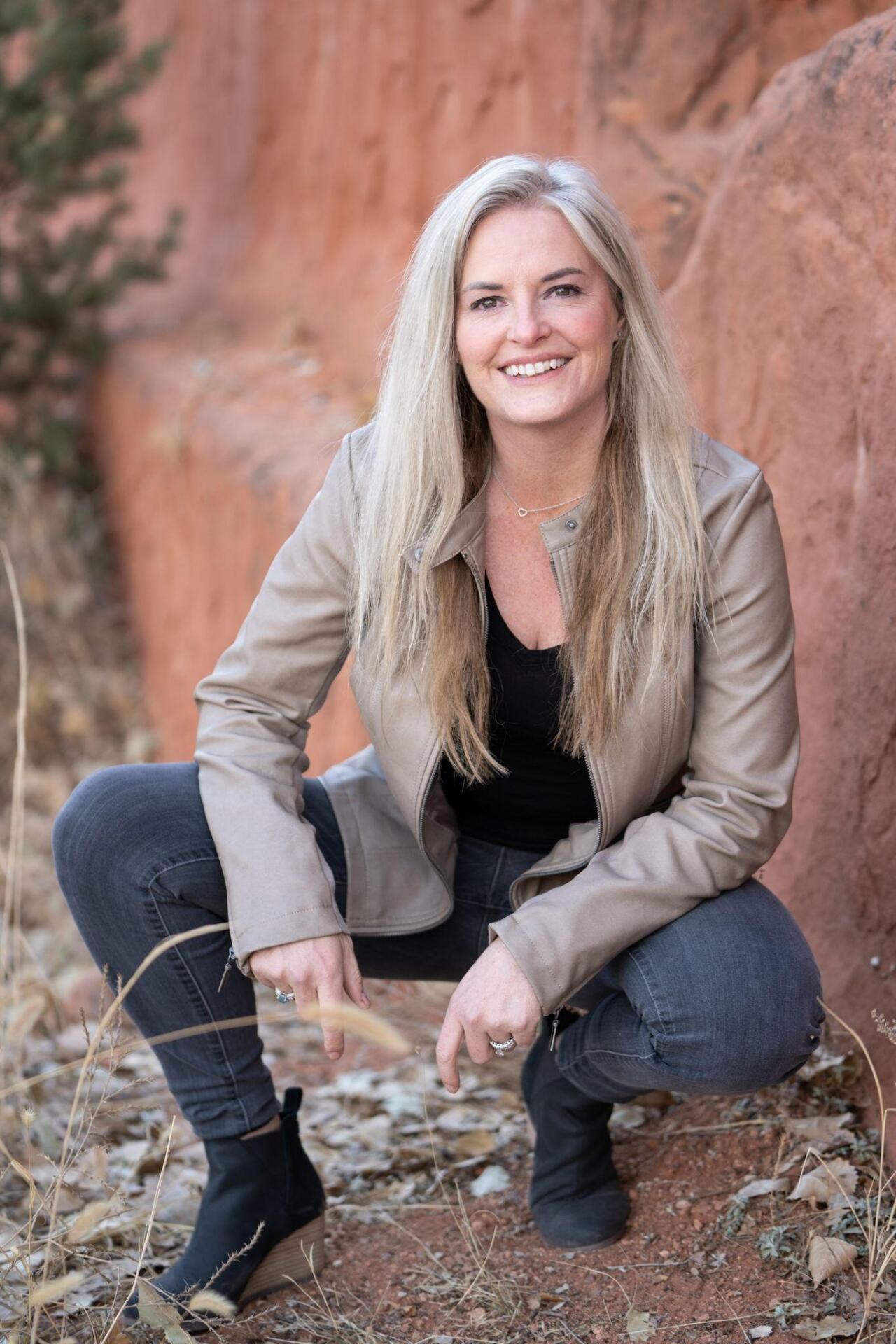
Better Lives Building Tribes addresses this challenge by providing specialized telemental health services focused on the intersection of individual and relational well-being. Founded by licensed therapist Dr. Meaghan Rice, the virtual practice helps individuals, couples, and families bridge the gap between their current reality and their relationship goals. We sat down with Dr. Rice to discuss how intentional therapy fosters healthier connections, the philosophy behind building a personal "tribe," and the evolving role of teletherapy.
Q: What inspired you to establish Better Lives Building Tribes, and why did you choose to focus heavily on the intersection between individual health and interpersonal relationships?
Dr. Meaghan Rice: There was a moment with a client I'd been seeing individually for over a year. We'd spent a lot of that time working on marital issues, but only from an individual lens. At one point, the client asked if it would help to bring their spouse into our sessions. When the spouse joined us, I realized they held the key to what we actually needed to be working on — and it turned out to be completely different from everything we'd focused on until then.
Q: In today's digital and fast-paced world, what are the most common relational obstacles that individuals, couples, and families bring to your practice?
Dr. Meaghan Rice: Lack of presence. One partner is carrying all the emotional weight while the other is completely checked out.
Sex. One partner expects the frequency and intensity of sex to stay the same from the honeymoon phase through starting a family, while the other is so overwhelmed that sex isn't even on the radar.
Reactivity. Partners can't bring something up without being met with defensiveness, anger, frustration — or being shut out completely.
Q: How does the concept of "building tribes" influence your clinical approach when helping clients create lasting support systems?
Dr. Meaghan Rice: We can't become the best version of ourselves without a strong sense of community. But communities are built — our tribes are built. And as we change, grow, and become better, we should expect our community to flex and shift right along with us.
That means putting more distance between ourselves and toxic people if we want to avoid living in chaos. In the same way, we're responsible for meeting, initiating, and inviting new people into our lives — people who are investing in the parts of themselves that we find appealing. It's a revolving door: out with the old, in with the new.
Q: As a fully virtual practice, how does telemental health enhance the therapeutic process for clients who might otherwise struggle to access consistent care?
Dr. Meaghan Rice: I'm certainly biased, but giving clients the space to show up as they are — without burning through gas money, wasting time in traffic, using up vacation days, or risking the stigma of running into someone they know — is the best medicine.
I love seeing clients' pets. They're so incredibly therapeutic, and it's nice to get a sneak peek into their regular lives.
Plus, I can screen-share resources with them in real time — charts, graphs, research, quotes, books, podcasts — that they can save right to their devices. They can also record our sessions or have AI take notes to reference later.
Personally, I'm raising a family while working full-time, so being able to handle household chores and responsibilities between clients has made my work-life balance so much easier.
Q: In addition to working with clients, you mentor and train clinicians working toward licensure. Why is dedicated mentorship so crucial for the future of mental health care?
Dr. Meaghan Rice: Being a mental health practitioner can be incredibly lonely. We hear some amazing stories, but for the most part we're holding the deepest, darkest, most traumatic parts of people's narratives. To avoid burnout, we need to regularly consult, connect, and collaborate with other therapists who are living that same reality.
I've been there myself, and that's exactly why I wanted to build a group practice where there was always someone — me — that clinicians could come to with anything they needed, whether it was personal or professional. I never wanted my therapists to experience the isolation that so many in this field do. Happy therapists make for happy clients.
Q: What practical advice would you offer to someone who feels disconnected from their loved ones and wants to start strengthening their relationship dynamics today?
Dr. Meaghan Rice: Everyone wants to feel heard, and everyone wants to feel included. With those two things in mind, it's never too late to turn them into action.
- People want to feel heard. Really commit to fully listening before you jump in with your own response. Make sure you genuinely understand — ask questions, get curious, and leave the reaction at the door.
- Be vulnerable. If there's room to take ownership, apologize, or commit to doing better — take it.
- Invite people over. It's typically inexpensive — arrange a potluck and have a couple of board games on hand.
Strong interpersonal connections serve as the cornerstone of overall mental wellness. Dr. Meaghan Rice highlights how addressing relational patterns at the root enables individuals, couples, and families to move beyond basic coping mechanisms toward genuine fulfillment. By focusing on intentional communication, mutual understanding, and proactive support, Better Lives Building Tribes provides a clear roadmap for lasting emotional health.
As the demand for accessible mental health services continues to grow, telemental health platforms will play an essential role in bridging care gaps. Developing healthy relational habits and nurturing a supportive community remain fundamental to navigating life's challenges. Practices like Better Lives Building Tribes demonstrate how flexible, relationship-centered therapy can transform individual lives and strengthen communities for years to come.
To learn more visit https://betterlivesbuildingtribes.com/