The creative world is heading into 2026 with a noticeably different mood. Many of the visual habits that dominated the last decade, such as hyper-polished images and attention-grabbing spectacle, are starting to feel outdated. In their place, a quieter, more honest and more emotionally aware approach is gradually taking hold.
The newest Creative Trends 2026 report by DepositPhotos suggests that the shift has little to do with aesthetics alone. Instead, it reflects how people feel right now: overstimulated, cautious about what they consume, and far more sensitive to authenticity than before. With that in mind, the year ahead is shaping up to be one where creative communication slows down just enough to let meaning back in.
Discover the defining visual trends of 2026 and get ahead by bringing the year’s most exciting styles into your work.
The trends that will shape creativity in 2026
Below is a closer look at the eight trends the report identifies as the most influential for 2026. Each one captures a different response to the cultural climate, yet together they form a surprisingly cohesive picture of where design seems to be heading.
1. Reality Strikes
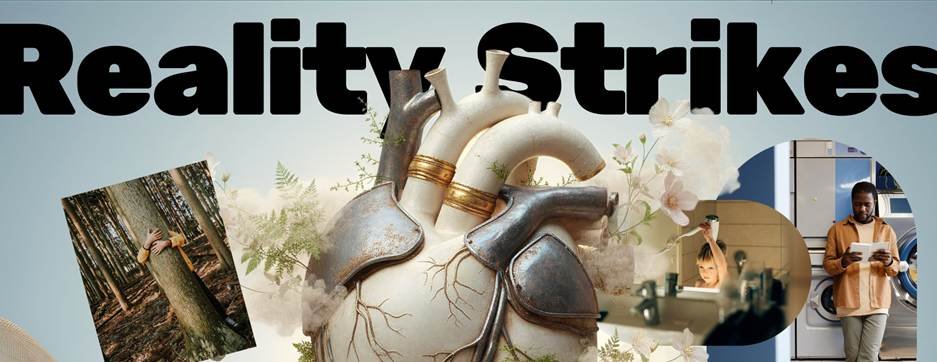
One of the strongest shifts is the return to honesty. Clean perfection, once a standard of digital branding, is losing its appeal. After years of curated feeds and unrealistic beauty filters, audiences appear to be gravitating toward work that shows reality.
This shift did not come out of nowhere. Economic instability, ongoing global tensions, and the emotional aftermath of the pandemic have made many people less tolerant of artificial gloss. What resonates now is the feeling of something lived in. Designers are turning to raw lighting, imperfect compositions, textured materials and real-world environments to communicate sincerity.
In this trend, the goal is not to present a flawless world but to reflect human experience as it is. Brands that acknowledge imperfection can create a sense of trust, because relatability has become one of the few things that still cuts through digital noise.
2. Blue Hour
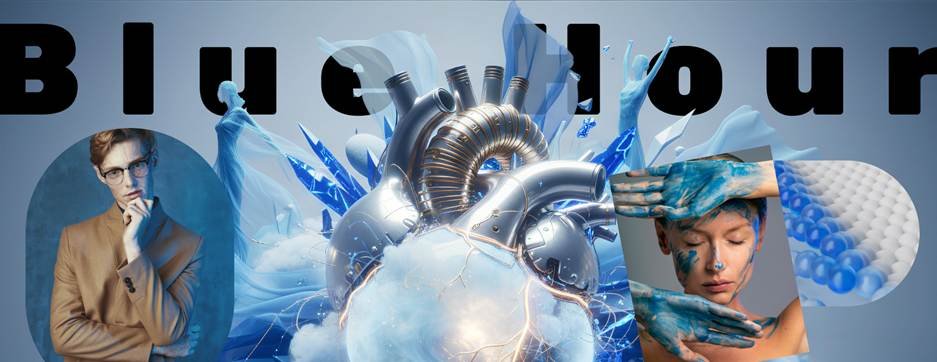
In an era defined by information overload and rising levels of burnout, blue re-emerges in 2026 as the color of choice. This time, however, not in its corporate or conventional form, but as a symbol of emotional clarity.
Designers and brand teams are beginning to employ blue across a spectrum of disciplines: UI that reduces screen fatigue, packaging that feels serene rather than competitive, and campaigns that use soft gradients or muted tones to create breathing room in fast-paced digital spaces.
What differentiates 2026’s interpretation from earlier eras is intention. Blue is no longer merely associated with trustworthiness or reliability. The color has become shorthand for psychological ease. It signals pause, balance, and the kind of slow looking that many users crave in a feed dominated by noise.
3. Authentically Artificial
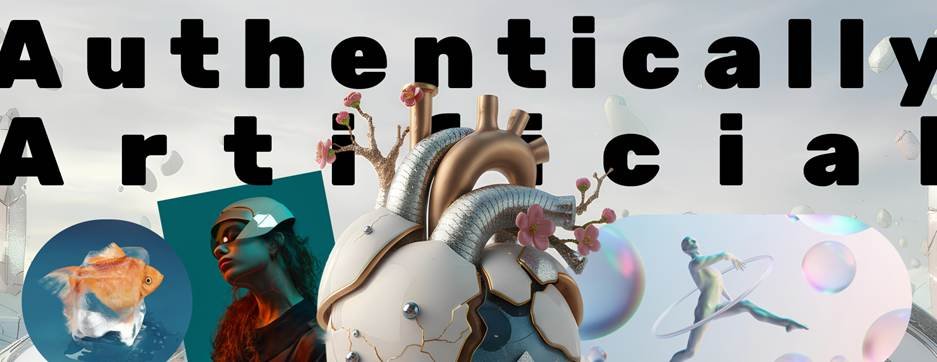
Next year, authenticity will be less about the origin of an image and more about whether the final result carries a purposeful human point of view. With generative AI tools now firmly embedded in creative workflows, a new aesthetic emerges—half-generated, half-human-designed.
These visuals often appear photographic at first glance. They have clean shadows, perfect textures and meticulously balanced compositions. Yet many of them carry a slight uncanniness, something that looks almost too controlled. Designers are embracing this tension by adding elements that restore emotional depth: grain, asymmetry, softened edges or unexpected color grading.
The report points out that authenticity is becoming less about who or what made the image and more about the message behind it. Zalando is one example of how brands adopt AI for practical and creative reasons, particularly to cut production costs and respond faster to social content demands without compromising their narrative control.
4. Petal Power
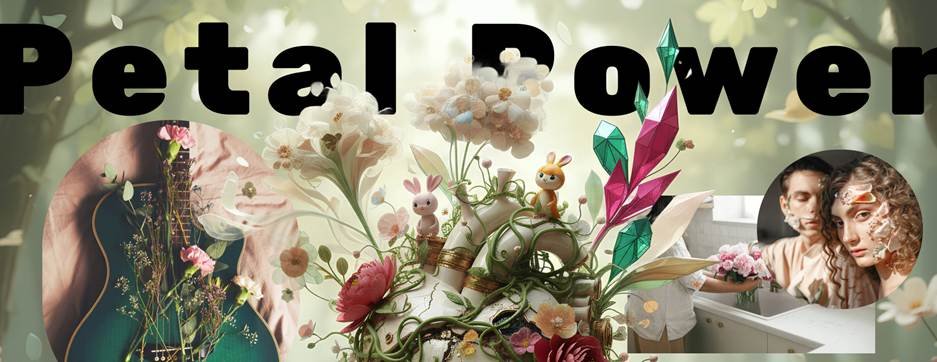
Florals are back in 2026, although in a more thoughtful and symbolic way. Instead of serving as pretty decoration, flowers are being used to express emotional rhythm: growth, rest, renewal, vulnerability and personal transformation.
Design teams are using petals, botanical textures, and natural patterns to soften edges across packaging, web design, real-life installations, and editorial work. These elements act as gentle counterweights in an environment dominated by synthetic visuals and fast production. Natural irregularities, tender petals, and organic curves help soften the composition.
5. Kidult
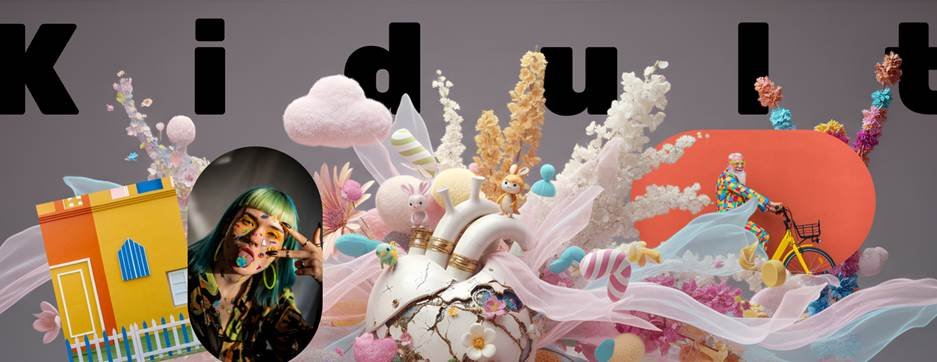
Play takes on a sophisticated form this year. Social, economic, and psychological pressure intensifies, and playful aesthetics become a coping mechanism that reconnects people with curiosity. Kidult combines the joy and lightness of childhood with the perspective of adulthood, which results in visuals that are bold, cheerful and surprisingly strategic.
Visuals under this trend often feature bold color palettes, rounded and quirky shapes, tactile materials, or hints of toy-like form. The tendency extends far beyond naturally youthful industries. Finance, healthcare, and productivity apps are adopting more empathetic, warm, and creative visual techniques as they address audiences overwhelmed by decision fatigue.
But don’t mix up Kidult with infantilization. It’s more about acknowledging that many people are carrying heavier mental loads and that small moments of delight, even if it’s just a modal window on your website that has a cute character, or a caring UX mechanic, can strengthen trust and lower tension.
6. The Tender Shift
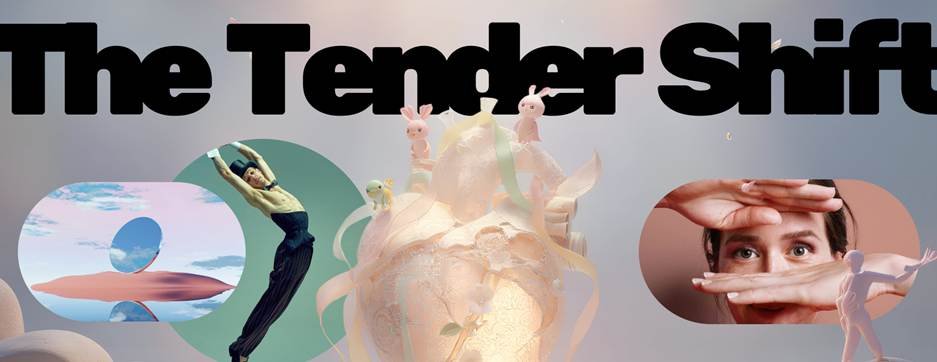
For years, brands tried to shout louder than their competition. Now, gentleness is becoming its own form of influence. The Tender Shift describes a change toward design that feels caring and considerate, especially in digital interfaces.
Soft gradients, slower animations, rounder typography and airier layouts all contribute to a sense of comfort. Instead of overwhelming the user, these designs create space. One of the most transformative changes appears in tone of voice. Many brands are reworking their language to feel less like a broadcast and more like a companion that anticipates user needs.
In increasingly crowded and stressful online spaces, tenderness serves as a calming aesthetic and a functional advantage, reducing cognitive overload and building emotional safety.
7. Quietly Loud
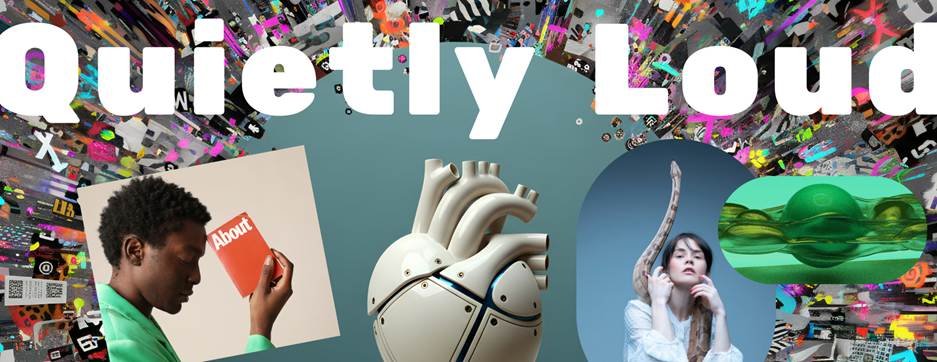
Minimalism and maximalism have spent years pulling design in opposite directions. In 2026 they intersect in a style that borrows the best qualities of both. Quietly Loud relies on deliberate, clean structures, and powerful focal points without unnecessary clutter.
Sharp contrast, oversized typography, and deliberate negative space to create impact without overwhelming the viewer. Many of the rebrands emerging in this style focus on clean grids, purposeful motion, and color blocks that feel assertive but not sensationalized. This approach aligns with the desire for confidence without aggression—a theme that appears to be the cornerstone for most creative trends of the year ahead.
8. Creative Sync
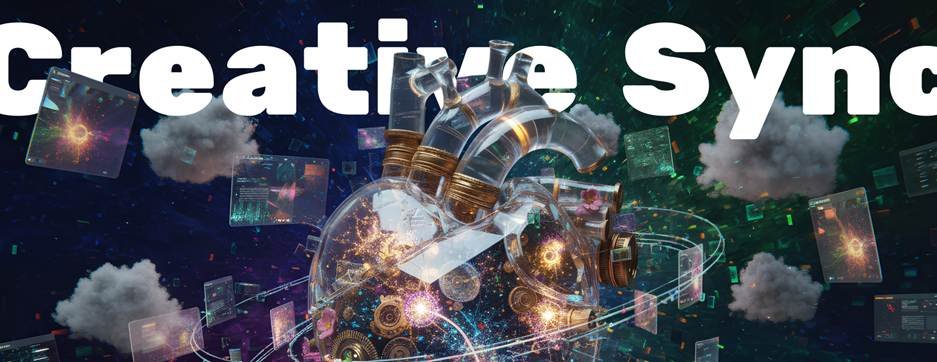
The last trend in the report focuses on workflow rather than visual expression. Creative Sync shows that businesses and independent creators lean toward integrated systems that allow them to move from idea to execution with fewer interruptions.
As pressure increases to produce content more often and on more platforms, designers are increasingly relying on ecosystems where tools, assets, brand kits, and AI systems all work together. It’s great if they’re synced in real-time, but it’s perfect if everything you need is in one place.
The point is to reduce friction so that the creative process becomes more fluid and less draining. Platforms like Gamma, Lovable, Showrunner, Penpot, MagicPatterns, and more are already attempting this. So next year, expect to see even more businesses merging their efforts to build perfectly cooperating environments that help ideas develop without constant technical obstacles.
A soft rebellion: the key takeaway to implement in your creative projects next year
Although each trend has its own aesthetic logic, they collectively point to a broader cultural shift. Creativity in 2026 is more intentional. The industry is softly rebelling against perfectionism, hyper-efficiency, and digital overload by returning to human-centered values: honesty, care, and curiosity.
Reality Strikes and The Tender Shift highlight a growing interest in sincerity. Blue Hour and Petal Power offer much-needed calm and restoration. Kidult and Quietly Loud bring levity that adults often forget we have in us, even after childhood ends. Authentically Artificial bridges human creativity with machine capability. Creative Sync ensures that workflows support rather than drain creative energy.
The full Creative Trends 2026 report expands on all these themes with data, expert insights, and curated collections of files. For designers and creators worldwide, it serves as a guide for navigating a year where clarity, honesty, and thoughtful expression may matter more than ever.