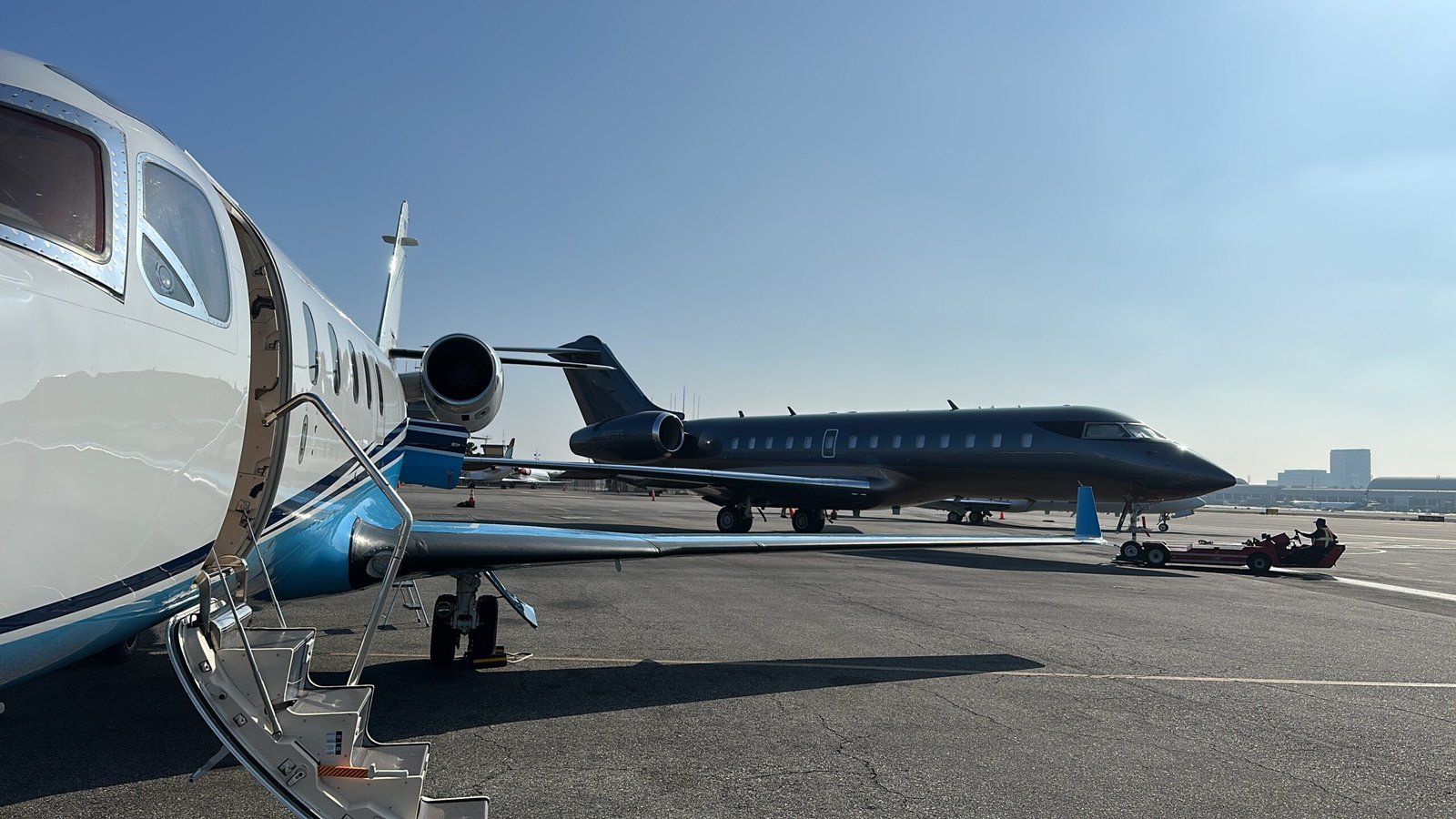
As the aviation industry confronts mounting climate responsibilities, a small group of airlines are stepping up with bold commitments and measurable progress toward sustainability. As a seasoned airline transport pilot and author of the Sustainable Aviation Fuel Guide, I have chosen the top 5 airlines that, in my opinion, are advancing the sustainability goals and pushing the boundaries in the field of aviation.
I have spent over a decade analyzing airline decarbonization strategies from the cockpit and the boardroom. Holding the highest pilot credential in the U.S. (ATP certificate) and boasting over ten years of accident-free flight experience, I have been recognized for my insights into sustainable flight innovation and policy. According to my expert analysis, these five carriers stand out as global leaders in green aviation.
1. United Airlines: Pioneering SAF Adoption Across Hubs
United’s willingness to set aggressive goals—like 100% emission reduction by 2050—and to pioneer SAF at a hub like ORD shows real leadership. They’ve matched ambition with action.”
United Airlines has consistently led with firsts in sustainability. As the first global carrier to announce a net-zero target without relying on traditional carbon offsets, United backed its 2050 pledge with concrete investments in SAF and infrastructure. In 2024, it became the first airline to use SAF blends at a major hub—Chicago O’Hare—and it continues expanding these efforts across its network.
United’s “Sustainable Flight Fund” and participation in the SAF Coalition exemplify its strategy to drive SAF production and use. The airline’s public sustainability reports emphasize SAF’s importance for both energy security and environmental performance. With SAF producing up to 80% less CO₂ over its lifecycle compared to conventional jet fuel, United’s early moves could reshape airline emissions on a national scale.
2. Delta Air Lines: Scaling SAF Through Partnerships and Policy
Delta deserves credit for action-oriented collaboration. They’re not waiting for others—they’re forming alliances and investing in SAF today.
Delta Air Lines has adopted a collaborative and forward-thinking sustainability strategy. The only airline to make Fast Company’s 2024 list of the most innovative companies, Delta has committed to replacing 10% of its jet fuel with SAF by 2030. Its co-founding of the Americans for Clean Aviation Fuels coalition demonstrates its intent to lead U.S. SAF policy development and supply chain growth.
Delta has also prioritized transparency, with detailed reports and public statements from its Chief Sustainability Officer describing SAF as a vital asset for business, people, and the planet. From aircraft modernization to passenger engagement, Martinez credits Delta’s integrated model as one of the most promising paths to long-term emissions reduction.
3. KLM Royal Dutch Airlines: Customer-Powered SAF Innovation
KLM has built a creative SAF ecosystem. They’ve made it possible for everyday travelers to participate in emissions reduction—and it’s working.
KLM, part of the Air France-KLM group, has turned its home base in Amsterdam into a testing ground for sustainable aviation. KLM’s SAF program is deeply customer-integrated: passengers can voluntarily purchase SAF credits when booking, and companies can offset emissions through corporate SAF agreements. In 2023, these efforts accounted for about 10% of global SAF usage.
The airline’s current SAF is largely derived from waste oils and used cooking grease, offering up to 65% lifecycle CO₂ reduction. KLM’s ability to link consumer behavior with decarbonization makes it a standout in Europe’s evolving sustainable aviation sector.
4. Alaska Airlines: Linking Loyalty to Lower Emissions
Alaska stands out for making sustainability personal for its customers. They’ve gamified climate action.
Alaska Airlines, a mid-size U.S. carrier, has demonstrated exceptional sustainability performance. In 2024, it committed to more than 7 million gallons of SAF for its operations, and it became the first airline to tie its frequent flyer program to fuel sustainability. Mileage Plan members now earn bonus miles for buying SAF credits during the booking process—an innovation that encourages customer participation while helping fund SAF development.
Alaska also invests in cutting-edge software for optimizing flight paths to reduce fuel burn, and it’s exploring aircraft design innovations to further cut emissions. According to Martinez, the airline’s dual focus—on immediate fuel impact and long-term tech solutions—makes it a model for other regional and legacy carriers.
5. Wizz Air: Ultra-Efficient, Ultra-Ambitious
Wizz Air may be low-cost, but in terms of emissions intensity and innovation, they’re world-class.
Wizz Air, a European low-cost airline headquartered in Hungary, has built one of the world’s youngest fleets, composed entirely of Airbus A321neos—an aircraft model renowned for its fuel efficiency. As a result, Wizz holds the lowest CO₂ emissions per passenger-kilometer among global carriers. But its ambitions go beyond fleet design.
Wizz is targeting 10% SAF use by 2030 and recently invested in Firefly, a UK-based SAF manufacturer. Its “Flying Towards Net Zero” strategy commits over half of its future decarbonization to SAF. Wizz is also lobbying European governments to scale SAF production through subsidies and mandates—proving that policy advocacy can come from any corner of the market.
Sustainable Aviation Fuel: The Game-Changer
The common denominator among these leaders is their commitment to Sustainable Aviation Fuel (SAF)—a cleaner-burning alternative made from renewable biomass, waste oils, or carbon-captured emissions. SAF can reduce lifecycle CO₂ emissions by 65–80%, according to data in Martinez’s Sustainable Aviation Fuel Guide and sources like IATA and AFDC.
It’s also the key to achieving the industry’s target of net-zero aviation by 2050, with projections suggesting SAF could deliver up to 65% of all aviation-related CO₂ reductions.
Integrated Strategies for Decarbonization
While each airline approaches sustainability differently—be it Alaska’s customer rewards, KLM’s corporate-purchase model, or Wizz Air’s tech-powered efficiency—all are aligned in their commitment to SAF and smarter operations.
Airlines must partner with passengers, policymakers, and producers to scale sustainable aviation,” Martinez notes. Only with alignment across the value chain can we reach net-zero targets.
The airlines profiled here have not only embraced this mindset—they’ve operationalized it. Their efforts demonstrate that innovation in aviation isn’t just about faster, sleeker planes but about rethinking what powers them and how we define responsible air travel.
The path to a sustainable aviation future is already being paved—by pioneers willing to bet on cleaner fuel, engage their stakeholders, and take bold action today. These airlines prove it’s possible. By learning from leaders like United, Delta, KLM, Alaska, and Wizz, the industry can scale SAF and new technologies to sustainably connect the world.