The global demand for high-purity essential oils and botanical hydrosols is surging as consumers shift toward natural wellness solutions. However, traditional home and small-scale extraction equipment often fails to extract the full spectrum of active compounds found in delicate plant matter. Conventional steam distillation methods can easily burn plant material, degrade delicate aromatic molecules, or leave behind valuable therapeutic constituents, resulting in lower-grade extracts and wasted biomass.
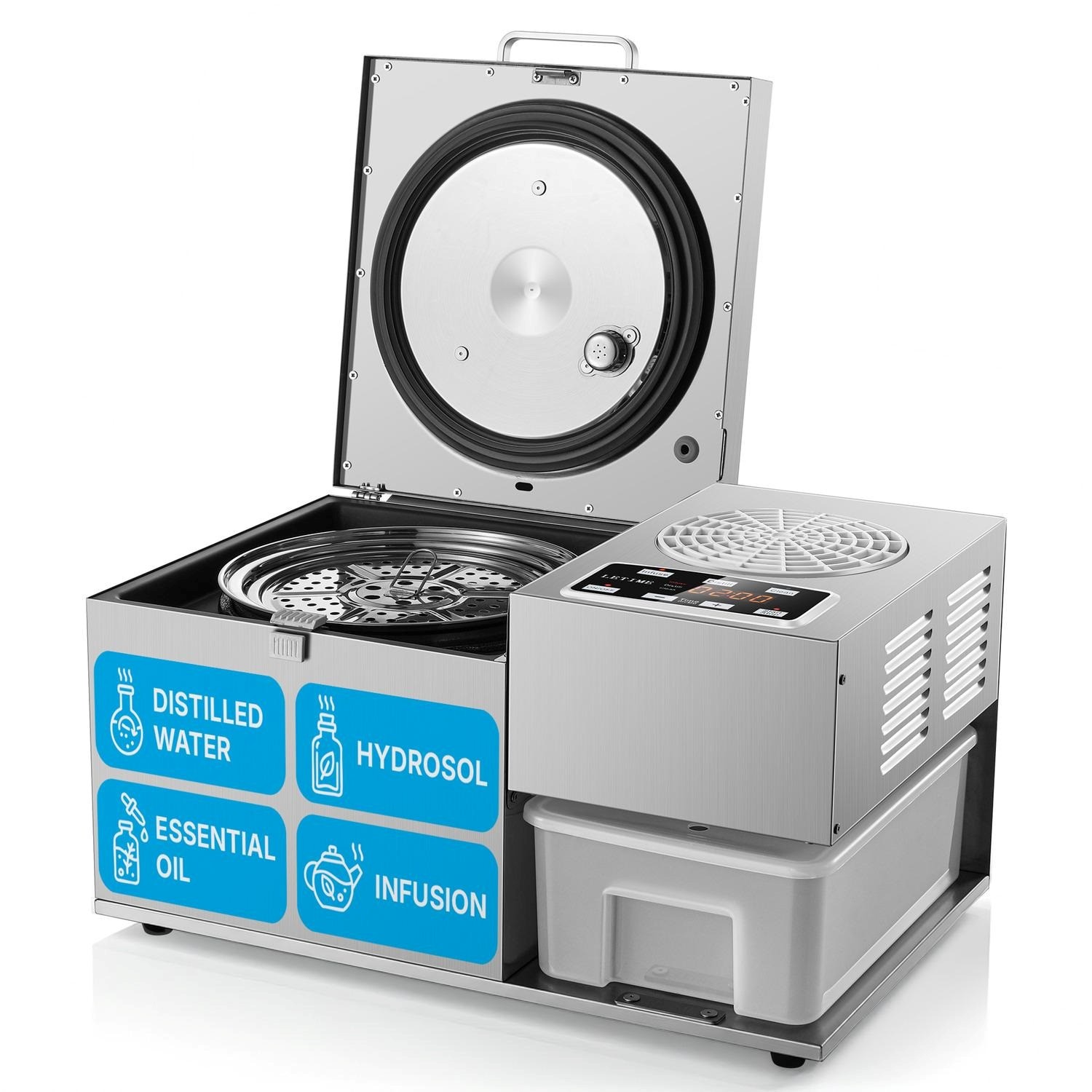
LETIME is changing that dynamic with the release of ADI, a patented, all-in-one distillation system engineered to deliver complete herbal extraction without the typical pitfalls of heat damage or inefficiency. Designed for both enthusiasts and commercial producers, the ADI system streamlines the extraction of high-potency essential oils, hydrosols, and botanical extracts. In this interview, we speak with the team at LETIME to discuss the technical breakthroughs behind ADI and how it redefines small-batch botanical processing.

Q: Traditional steam distillation often struggles with heat regulation and incomplete extraction. What specific design limitations in conventional stills led to the development of the ADI system?
Dr. Leo: As a chemical engineer, I’ve always viewed herbal extraction as a process engineering challenge. Traditional small-scale stills have changed very little over the years. Many require constant supervision to monitor water levels, adjust heating, and prevent herbs from overheating. If the water runs low or the temperature fluctuates too much, plant material can scorch, reducing the quality of both the essential oil and the hydrosol.
Another limitation is that conventional stills only perform one type of extraction—steam distillation. While this is excellent for recovering volatile aromatic compounds, many valuable non-volatile botanical compounds remain in the plant material after distillation.
When I founded LETIME, my goal wasn’t simply to build another distiller. I wanted to develop an automated extraction platform that would make botanical processing more efficient, more repeatable, and more accessible. That vision led to the patented ADI system, which combines automated steam distillation with controlled herbal infusion in a single appliance.
Q: LETIME emphasizes “complete herbal extraction” with this new unit. How does ADI’s patented technology ensure that both essential oils and water-soluble hydrosols retain their full compound profile without scorching the plant material?
Dr. Leo: Our concept of “complete herbal extraction” recognizes that different groups of natural compounds require different extraction methods.
Steam distillation is highly effective at extracting volatile compounds such as terpenes, esters, alcohols, aldehydes, and ketones. These molecules give essential oils their characteristic aroma and many of their functional properties, while hydrosols retain water-soluble aromatic constituents that have their own unique applications.
However, many important botanical compounds—including flavonoids, polyphenols, and other non-volatile phytochemicals—are not efficiently recovered by steam distillation because they do not readily vaporize.
ADI addresses both sides of the plant. During distillation, our patented system automatically regulates the heating cycle to maintain stable steam generation, helping minimize temperature fluctuations that could overheat delicate plant material. This allows users to produce high-quality essential oils and hydrosols with consistent, repeatable results.
In addition, ADI incorporates a controlled low-temperature infusion function. By maintaining a gentle and regulated temperature, the system can reduce traditional infusion times from several weeks to just a few hours while efficiently extracting many non-volatile botanical compounds into oils or alcohol-based solvents.
Rather than viewing distillation and infusion as competing methods, we designed ADI to make them complementary. Together, they allow users to recover a much broader spectrum of the plant’s naturally occurring compounds.
Q: Operation and cleanup are common pain points for small-scale distillers. What features have you engineered into the ADI to make setup, temperature monitoring, and post-extraction maintenance effortless for users?
Dr. Leo: Ease of use was one of our highest priorities because we wanted botanical extraction to be accessible to everyone, not just experienced distillers.
ADI automates the entire extraction process. Users simply add water and botanicals, select the desired program, and the system manages heating, timing, and safety monitoring automatically. This eliminates much of the guesswork traditionally associated with small-scale distillation.
We also incorporated multiple built-in safety protections, including automatic shutoff functions, to provide confidence throughout the extraction cycle.
Maintenance was another major consideration. The removable stainless-steel components are easy to clean, and ADI includes an automatic cleaning program that simplifies post-extraction maintenance. Our goal was to let users spend more time exploring herbs and less time managing equipment.
Q: Quality testing and material safety are critical when dealing with high-temperature botanical extraction. What materials and build standards does LETIME use to guarantee purity in the final extract?
Dr. Leo: The quality of an extract depends not only on the herbs but also on the equipment used to process them.
All surfaces that contact water, steam, or botanical extracts are constructed from food-grade materials selected for durability, corrosion resistance, and compatibility with botanical processing. Stainless steel plays a central role because it is stable, easy to clean, and well suited for repeated exposure to heat and moisture.
ADI has also been independently tested for electrical safety and is ETL certified for the U.S. and Canadian markets.
Beyond materials, we believe consistency is equally important. Stable process control helps users produce cleaner, more repeatable extracts from batch to batch, giving them greater confidence in the quality of their final products.
Q: Beyond essential oil enthusiasts, what industries or professional applications—such as skincare formulators or herbalists—stand to benefit most from adopting the ADI system?
Dr. Leo: One of the most rewarding aspects of developing ADI has been seeing the wide range of people who benefit from it. While many people initially associate it with essential oil production, ADI is really a versatile botanical extraction platform.
Herbalists and aromatherapists use ADI to prepare essential oils, hydrosols, infused oils, and tinctures from fresh or dried herbs, allowing them to tailor extracts for different applications. Skincare formulators appreciate having greater control over the quality and freshness of botanical ingredients used in handcrafted soaps, creams, balms, and other natural products.
Educators and researchers have also found ADI valuable because it provides a simple, repeatable way to demonstrate extraction principles in classrooms, workshops, and research projects. Its automated operation allows students to focus on understanding the science behind botanical extraction rather than managing complex equipment.
We have also seen growing interest from small farms, botanical gardens, wellness practitioners, and entrepreneurs who want to transform locally grown herbs into high-value botanical products. By processing herbs soon after harvest, they can create products that reflect the freshness and unique characteristics of their plants while adding value to their harvests.
What makes ADI unique is its ability to combine both distillation and infusion in one system. Users are not limited to extracting only volatile compounds for essential oils and hydrosols; they can also produce infused oils and alcohol-based extracts rich in many non-volatile plant constituents. This gives users the flexibility to explore a much broader range of botanical products while making fuller use of every harvest.
Q: As interest in home-made, chemical-free wellness products continues to grow, where do you see the future of personal botanical extraction heading over the next few years?
Dr. Leo: I believe we’re entering a new era of personal botanical extraction, much like what we’ve seen with home baking, specialty coffee, and home fermentation. People no longer want to simply purchase natural products—they want to understand how they’re made, where the ingredients come from, and have greater control over the quality of what they use.
Consumers are increasingly seeking transparency, sustainability, and locally sourced ingredients. Whether they’re growing herbs in a backyard garden or purchasing them from local farms, they want the ability to transform those plants into essential oils, hydrosols, infused oils, and tinctures using equipment that is both reliable and easy to operate.
What has surprised me most is the emotional response people have when they experience the process firsthand. Whenever I demonstrate how pure lavender essential oil and hydrosol can be produced from just two simple ingredients—lavender buds and water—the audience is genuinely amazed. Watching fragrant essential oil slowly separate from the hydrosol helps people appreciate the remarkable chemistry of nature in a very tangible way.
Many users also tell me that making their own botanical products brings a tremendous sense of accomplishment. There is something deeply satisfying about harvesting herbs, transforming them into useful products, and knowing exactly what went into them. It’s more than creating an essential oil or a hydrosol—it’s creating something with your own hands and connecting with nature through science.
I also believe future extraction systems will become more intelligent and more versatile. Automation, precise process control, and integrated safety features will make professional-quality extraction accessible to people without specialized technical training. At the same time, users will expect a single platform that supports multiple extraction methods rather than equipment dedicated to only one process.
At LETIME, we see our mission as going beyond innovating equipment. We want to inspire curiosity, teach the science behind botanical extraction, and help people understand why different extraction methods recover different groups of natural compounds. Our goal is to empower herbalists, educators, researchers, families, and entrepreneurs to explore the incredible potential of plants with confidence.
Closing Remarks
Dr. Leo:
When I founded LETIME, my goal wasn’t simply to build another distiller. I wanted to make botanical extraction more approachable so that anyone—from curious beginners to experienced herbalists—could experience the incredible transformation of plants into natural products.
Throughout history, people have relied on herbs for wellness, but much of the knowledge and the extraction process remained inaccessible to many. By combining modern engineering with traditional botanical practices, we hope to make that process simpler, safer, and more enjoyable.
I believe the future of botanical extraction is not only about producing better essential oils or herbal extracts. It’s about education, creativity, sustainability, and empowering people to make products they understand and trust. At the end of the day, our mission is simple: to bridge traditional herbal wisdom with modern engineering and inspire more people to discover the joy of creating natural botanical products themselves.
The emergence of LETIME’s ADI technology marks a clear advancement in accessible, professional-grade botanical extraction. By solving long-standing issues surrounding temperature control, extract yield, and compound integrity, the system enables users to unlock the true potential of raw plant materials. The details shared in this Q&A emphasize how thoughtful engineering can turn a complex laboratory process into an efficient, user-friendly operation.
As the market for clean label skincare, natural remedies, and pure essential oils expands, access to reliable extraction technology becomes paramount. Innovations like the ADI system set a new benchmark for purity and potency, giving creators complete control over their final products. LETIME’s patented solution bridges the gap between traditional craftsmanship and modern extraction science.
To learn more, visit https://www.letimestill.com/adi