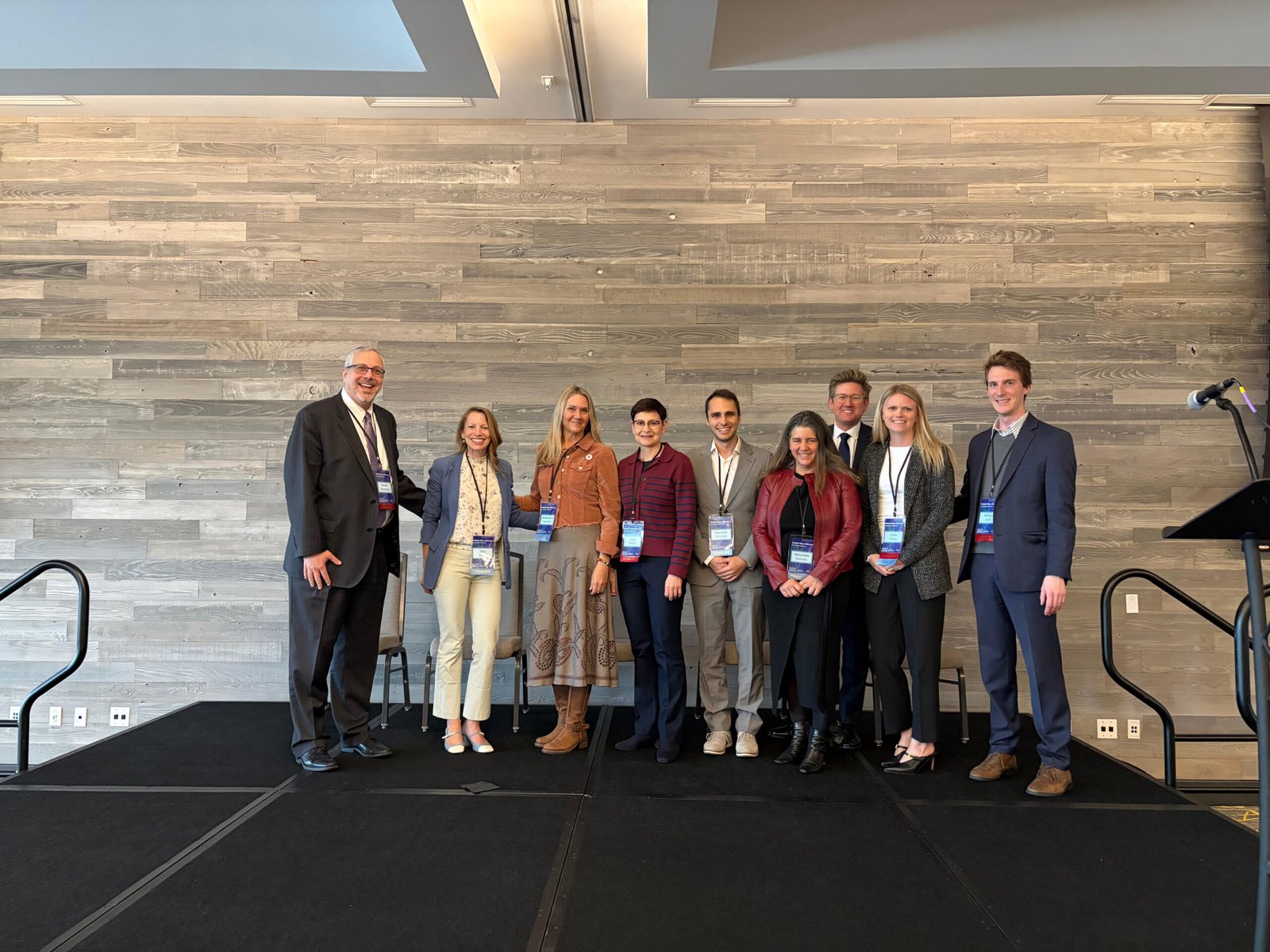
The Midwest Pediatric Device Consortium Showcase featured start-up companies developing child-sized cardiovascular technologies shaped by clinical urgency, limited venture capital, and, in some cases, the experience of founders’ children.
CINCINNATI, Ohio — The Midwest Pediatric Device Consortium (MPDC) convened its 2026 Showcase in Cincinnati on May 15, bringing pediatric medical device companies together with over 120 clinicians, funders, and institutional partners to advance technologies for children with cardiovascular needs. Developed in collaboration with the Alliance for Pediatric Device Innovation (APDI) and the Advanced Cardiac Therapies Improving Outcomes Network (ACTION), the showcase featured ecosystem discussions, networking, and a high-stakes pitch competition awarding joint MPDC/APDI funding to four pediatric innovators.
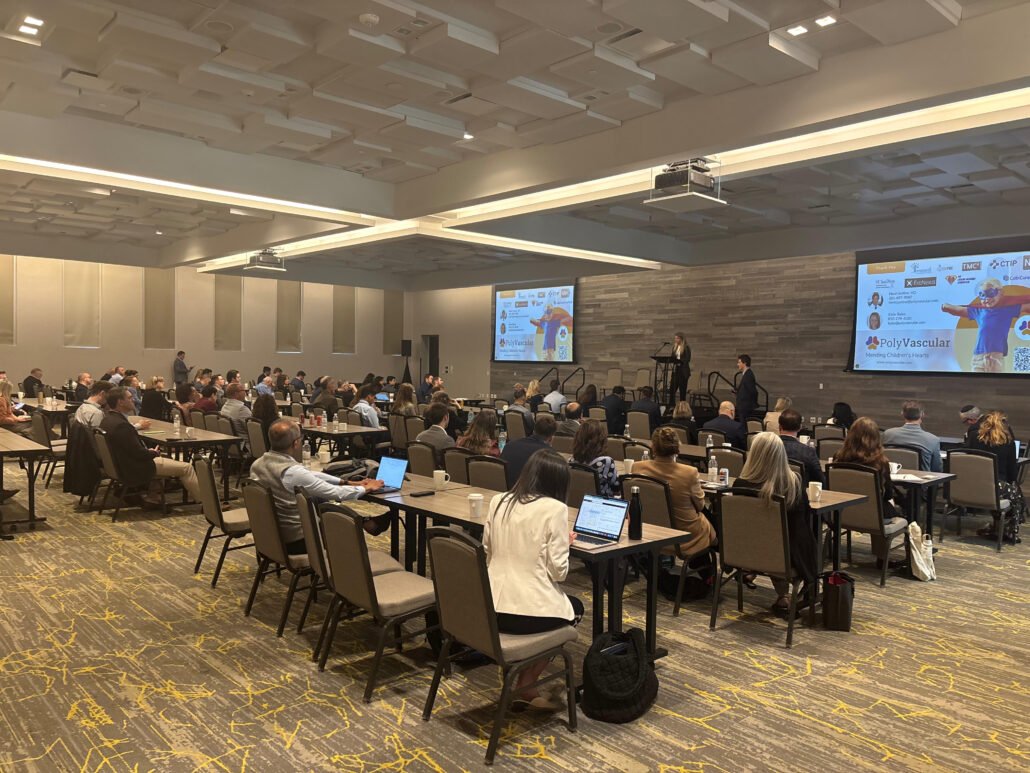
Each awardee received $50,000 in non-dilutive funding. AcQumen Medical is developing UltraTrac, a blood-flow monitoring device to deliver continuous cardiac metrics without needles or catheters. Bloom Standard is developing the RAPIDscan Ultrasound System for early detection of heart and lung abnormalities. The Edelman Lab at the Harvard-MIT Biomedical Engineering Center is developing a polymeric pediatric stent for children with congenital heart defects, including aortic coarctation and pulmonary artery stenosis. PolyVascular is working on a polymer-based pulmonary valve, designed to expand as the child grows, to reduce the burden of repeat open-heart surgeries.
Several founders bring a distinct personal urgency to the work. For Annamarie Saarinen, CEO at Bloom Standard, it was her newborn daughter’s diagnosis of heart failure. “Minutes and hours matter with these kids,” Saarinen said. For Katie Bales, VP of investor relations at PolyVascular, her son received a prenatal diagnosis of congenital heart defect. When her family was told there were “no great options,” she remembered asking, “Why not?” Dori Jones, founder of AcQumen, was motivated by her son’s stints in the NICU and pediatric ICU, an experience that drives her “every day to make this a reality.”
Their stories underscore a stark market reality: the CDC reports that approximately 40,000 babies in the US are born with a heart defect each year. This massive, recurring patient population remains underserved by traditional medtech pipelines.
Cory Criss, MD, pediatric surgeon at Nationwide Children’s Hospital and MPDC co-lead, framed the day around a clear mission: “to get the best technologies to the children who need them.” Children make up 22% of the US population. But companies dedicated to pediatric device innovation receive less than 2% of seed funding in the healthtech sector.
“Pediatric device innovation requires strength in numbers: clinical insight, evidence generation, regulatory guidance, engineering expertise, funding, and institutional collaboration,” said Criss. “The pediatric cardiovascular space is specialized, the evidence requirements are challenging, but the impact can be enormous.”
Other presenters included AVaTAR MedTech, CorVita Biomedical, PeriCor, and Trémedics Medical Devices.
Over the past year, MPDC has supported more than 135 companies and awarded nearly $500,000 in non-dilutive funding. The consortium has also used its resources to support companies across the US, and Ohio’s pediatric medtech ecosystem in particular.
The 2026 Showcase also underscored the importance of collaboration among pediatric device consortia and cardiovascular networks. APDI, led by Children’s National Hospital, is one of the other five FDA-funded Pediatric Device Consortia supporting pediatric device development. ACTION brings together patients, families, clinicians, researchers, and industry partners focused on improving outcomes for children with advanced heart disease.

Kolaleh Eskandanian, PhD, program director at SPARK for Innovations in Pediatrics Hub, delivered the keynote address. In closing remarks, David Eckmann, MD, PhD, co-lead at MPDC, emphasized the responsibility shared by participants and attendees alike. “Your passion and your commitment to advance technologies so that we can change how we care for children is truly inspiring,” Eckmann said. “We’re the adults in the room. We have a responsibility not to fail the children.”
MPDC invites pediatric device innovators, clinicians, medical advisors, investors, industry partners, hospital leaders, and family foundations to engage with the consortium to advance devices designed for children’s needs. To get involved, go to pedsinnovation.org.
About the Showcase Partners
The Midwest Pediatric Device Consortium. MPDC is one of the five FDA-funded pediatric device consortia bringing together major Ohio children’s hospitals to advance pediatric medical device development. Through a regional network of health care professionals, entrepreneurs, MedTech partners, and investors, MPDC supports innovators through grant funding, mentorship, industry connections, clinical trials guidance, and introductions to pediatric care experts.
The Advanced Cardiac Therapies Improving Outcomes Network. ACTION is an international learning network dedicated to improving critical outcomes for pediatric and congenital heart failure patients. ACTION brings together patients, families, clinicians, researchers, and industry to support faster improvement in treatment approaches, care practices, and patient outcomes.
The Alliance for Pediatric Device Innovation. APDI is an FDA-funded consortium led by Children’s National Hospital, helping pediatric device innovators navigate the path from concept to commercialization. APDI brings together clinical, regulatory, business, scientific, engineering, reimbursement, prototyping, and trials-design expertise to support development across the pediatric device life cycle, from ideation to clinical development, manufacturing, and market readiness.
innovate4kids.org.innovate4kids.org.