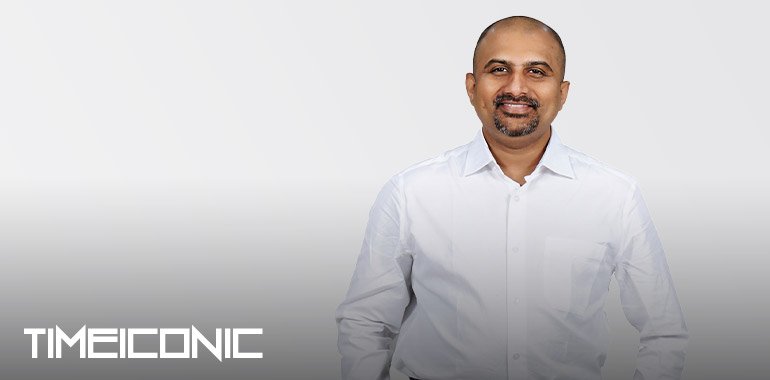
GUNTUR, ANDHRA PRADESH, INDIA — Pediatric neurological disorders remain among the most challenging medical conditions affecting children worldwide, and according to Dr. Mohana Rao Patibandla, early diagnosis combined with advanced treatment strategies can significantly improve outcomes and quality of life for affected children.
As pediatric neuroscience continues to evolve, increasing awareness among parents, pediatricians, and healthcare providers is becoming essential for identifying neurological disorders at their earliest stages. Dr. Patibandla, founder and chairman of Dr. Rao’s Hospital, highlighted that modern pediatric neurosurgery has transformed the management of complex childhood brain and spine disorders through minimally invasive approaches, precision imaging, neuro-navigation systems, and multidisciplinary care.
“Children with neurological disorders often present with subtle symptoms that can easily be overlooked during the early stages,” said Dr. Patibandla. “Timely recognition and referral to specialized pediatric neuroscience centers can make a major difference in neurological recovery, cognitive development, and long-term outcomes.”
Pediatric brain disorders encompass a broad spectrum of conditions, including brain tumors, hydrocephalus, epilepsy, congenital brain and spine abnormalities, traumatic brain injuries, vascular malformations, developmental disorders, and infections affecting the nervous system. Many of these conditions require rapid diagnosis and coordinated management involving pediatric neurologists, neurosurgeons, neuro-anesthesiologists, rehabilitation specialists, and critical care experts.
Dr. Patibandla noted that persistent headaches, recurrent vomiting, seizures, developmental delays, weakness in limbs, balance disturbances, abnormal head enlargement in infants, and behavioral or cognitive changes should not be ignored. Advanced neuroimaging technologies such as MRI, CT scanning, functional imaging, and intraoperative neuronavigation have significantly improved diagnostic accuracy and surgical precision in pediatric neurosurgery.
According to Dr. Patibandla, minimally invasive pediatric neurosurgery is increasingly becoming the preferred approach for many neurological conditions due to reduced tissue trauma, smaller incisions, faster recovery times, decreased postoperative pain, and shorter hospital stays. Endoscopic neurosurgery and image-guided surgical techniques are now enabling surgeons to treat complex pediatric brain disorders with greater safety and effectiveness.
“Children are not simply small adults,” Dr. Patibandla explained. “Their brains and nervous systems are continuously developing, which requires highly specialized surgical planning, pediatric-focused anesthesia, and individualized postoperative rehabilitation strategies.”
Among the most critical pediatric neurosurgical conditions is hydrocephalus, a disorder characterized by abnormal accumulation of cerebrospinal fluid within the brain. If untreated, hydrocephalus may lead to developmental impairment, visual problems, and life-threatening complications. Advances in endoscopic third ventriculostomy (ETV) and modern shunt technologies have improved treatment success rates for affected children.
Dr. Patibandla also emphasized the importance of early intervention in pediatric epilepsy cases that fail to respond to medication. Drug-resistant epilepsy can negatively affect cognitive development, education, social interaction, and overall quality of life. Modern epilepsy surgery techniques, including minimally invasive procedures and advanced seizure localization technologies, are providing hope to many children suffering from uncontrolled seizures.
Pediatric brain tumors remain another major area of concern. Brain tumors are among the most common solid tumors in children and often require highly sophisticated surgical and oncological management. Advances in neuro-oncology, intraoperative monitoring, microsurgical techniques, and multidisciplinary cancer care are improving survival rates and neurological outcomes for pediatric patients.
Dr. Patibandla further stressed that awareness campaigns and parental education are essential in reducing delays in diagnosis. In many developing regions, neurological symptoms in children may initially be misinterpreted or neglected, leading to delayed treatment and avoidable complications.
“Education and awareness are critical,” he said. “Parents should seek medical evaluation whenever they notice persistent neurological symptoms in their children. Early diagnosis gives us the best opportunity to preserve neurological function and improve future development.”
At Dr. Rao’s Hospital in Guntur, pediatric neuroscience care integrates advanced diagnostics, minimally invasive neurosurgery, neurocritical care, rehabilitation, and long-term follow-up programs tailored specifically for children. The institution continues to focus on technology-driven neurological care while expanding access to advanced pediatric brain and spine treatment services in India.
Dr. Patibandla has received extensive international training in multiple neurosurgical subspecialties, including pediatric neurosurgery, minimally invasive skull base surgery, neuro-oncology, cerebrovascular surgery, and endovascular neurosurgery in the United States. His work has contributed to advancing specialized pediatric neurosurgical care in Andhra Pradesh and beyond.
Healthcare experts globally continue to emphasize that improving outcomes in pediatric neurological disorders depends heavily on multidisciplinary collaboration, modern technology, specialized surgical expertise, and early referral systems. As awareness increases and treatment innovations continue to evolve, the future of pediatric neuroscience care is becoming increasingly promising for children and families affected by complex neurological conditions.
For more information, visit Dr. Rao’s Hospital Official Website.