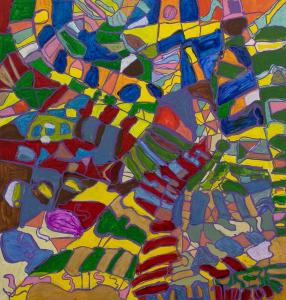
The annual showcase invited guests and collectors to experience and acquire work across painting, ceramics, printmaking, digital art, and more—bringing the artists into public view through recognition, cultural exchange, and market participation.
At ECF’s South Los Angeles Art Center, the annual Showcase & Sale begins with a simple premise: the work should be seen.
Artists with developmental disabilities filled the Center with paintings, ceramics, drawings, prints, digital art, animation, and other original work during the September 19 event, giving guests and collectors an opportunity to experience the breadth of creative practice taking place inside the studio—and, when a piece connected with them, to acquire it.
The distinction matters.
The artists are not simply participating in an arts activity. They are developing individual practices, making choices about subject, material and technique, and creating work intended to enter the world beyond the studio.
What elevates the event is that movement into public life: the work can be seen, discussed, responded to, valued and, in some cases, purchased and collected.
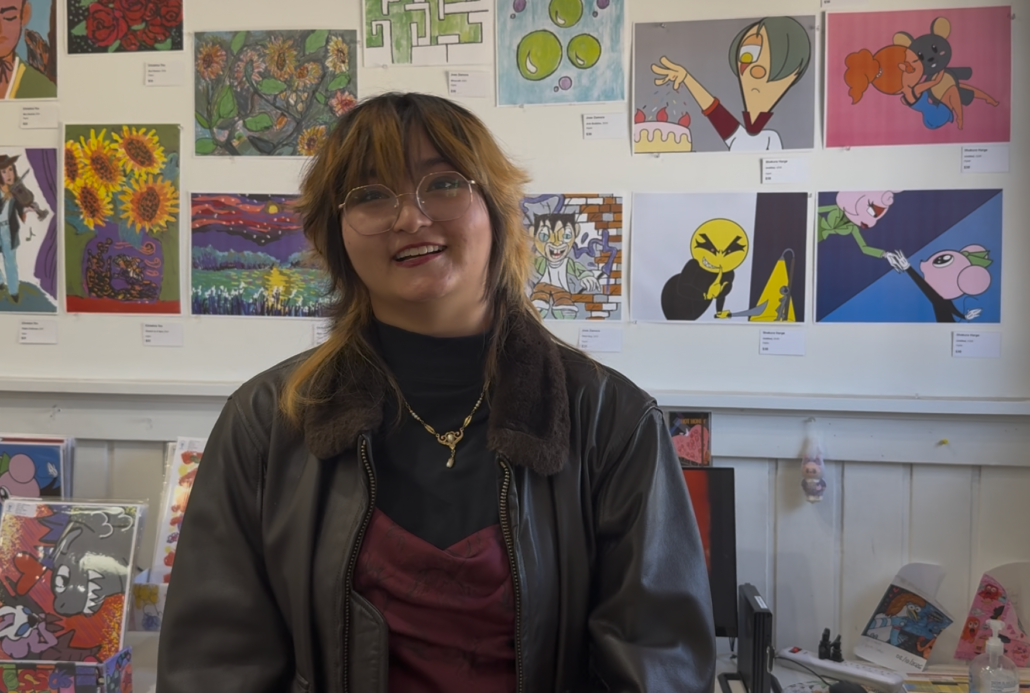
“The work deserves to be seen beyond these walls,” said Alexandra “Lexi” Orr, Digital Arts Instructor at ECF’s South LA Art Center. “When the community comes in, meets the artists and connects with their work, it changes the conversation. They are not being defined by disability; they are being recognized for what they create.”
That shift in perspective is central to the South LA Art Center.
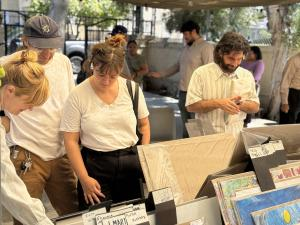
ECF Art Centers have supported adults with developmental disabilities in developing their artistic practices since 1968. Artists receive individualized instruction, studio resources, and opportunities to exhibit and sell their work across a range of disciplines.
The annual sale gives that studio practice a public audience.
A visitor might encounter a ceramic work first because of its form, a painting because of its use of color, or a digital piece because of the idea behind it. Only afterward does the larger context emerge.
That order is important.
The work is not being presented as remarkable because its creator has a disability. It is presented to an audience with the same fundamental proposition that accompanies any creative work: look at it, respond to it, decide whether it speaks to you.
For collectors, the opportunity to purchase a work adds another dimension. Acquisition is not the only measure of artistic value, but it is part of the exchange that allows art to leave the place where it was made and acquire a life elsewhere.
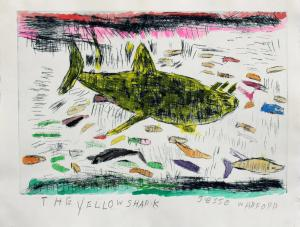
“What strikes me is how naturally people engaged with the artists and their work,” said Maxine Moshay, Chief Development Officer of ECF, who attended the Showcase & Sale. Guests were looking closely, asking the artists about particular pieces and deciding what they wanted to take home. In those moments, the conversation was about the art and the artist behind it. That is exactly what we want to see.”
A piece enters a home or collection. An artist’s work reaches someone who did not previously know it existed. Creative practice becomes public participation.
That is a considerably different proposition from keeping the work inside a program.
“Opportunity should not narrow as people move into adulthood,” said Veronica Arteaga, President and CEO of Exceptional Children’s Foundation. “At our Art Centers, that means giving artists the space to develop their work and ensuring that work has a life beyond the studio—before audiences, collectors and the broader community. The goal is not simply participation in a program. It is the opportunity to be seen, valued and recognized for what you contribute.”
Arteaga’s point reaches beyond the arts.
Much of the public conversation about developmental disabilities centers on childhood, education, and school-age services. Yet the need for opportunity, growth and connection does not disappear at graduation.
For many individuals and families, adulthood can instead bring fewer structured opportunities: fewer places to continue developing skills, fewer routes into employment or creative work, and fewer ways to participate visibly in community life.
Developmental disabilities do not end at graduation—and neither should access to opportunity.
ECF’s broader work is increasingly organized around that reality.
Founded in 1946, the organization has expanded far beyond its origins serving children. Today, ECF works across education, therapeutic services, employment and workforce development, residential services, arts programming and community-based support from childhood through adulthood.
Its lifespan model is designed around a question that becomes increasingly important as people age: what comes next?
At the South Los Angeles Art Center, one answer is visible on the walls, on tables, and in the work itself.
Artists have the time and resources to create, but the process does not end there. Their work is exhibited. Audiences encounter it. Collectors can purchase it. Conversations begin around the work rather than around a diagnosis.
That is where the annual Showcase & Sale becomes more than an open house.
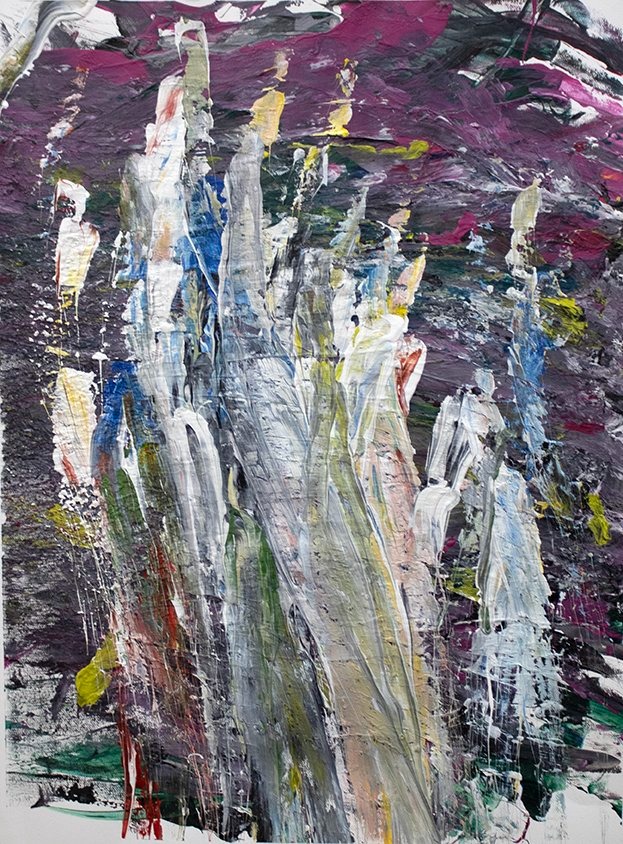
It creates a meeting point between artists and the wider cultural and economic life of Los Angeles.
And that exchange does not end when the annual sale closes.
ECF Art Centers maintains an online gallery where members of the public and collectors can continue to discover and acquire original work by participating artists, extending the relationship between artist and audience beyond the studio itself.
Explore and collect work by ECF artists:
ArtECF.org/collections/all
For the public, the invitation is straightforward: look closely, engage with the work and, when something resonates, take it home.
For the artists, the opportunity is equally straightforward—and more consequential.
To be recognized for what they create.