Modern leaders across corporate and non-profit sectors face unprecedented challenges in sustaining purpose, building inclusive cultures, and navigating disruption. Burnout, organizational silos, and shifting economic landscapes often stall growth and weaken team engagement. Without authentic leadership and resilient long-term strategies, organizations struggle to inspire their workforce and deliver lasting community impact.
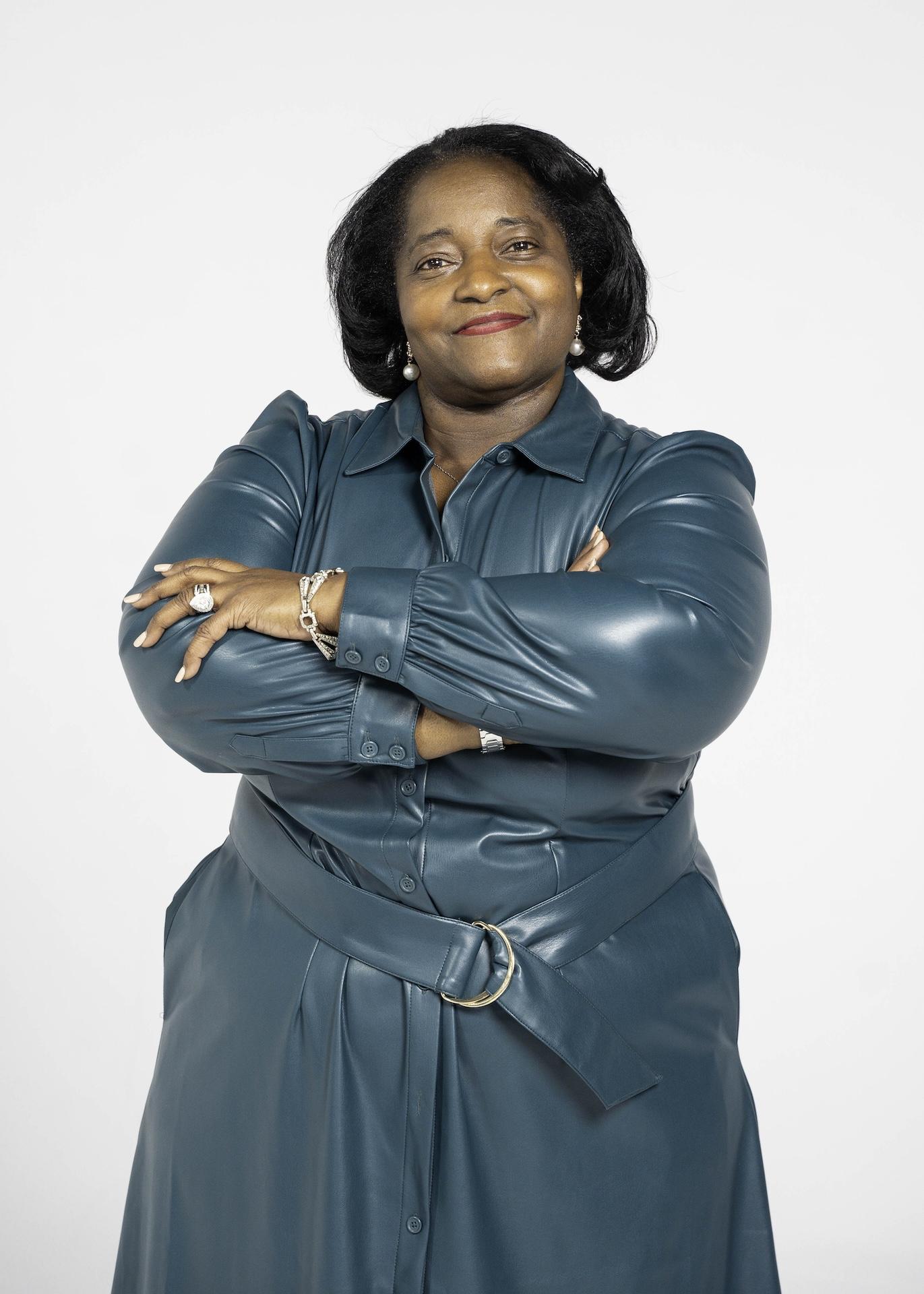
Motivational Muse addresses these challenges by equipping executives, boards, and professionals with transformational coaching, governance training, and diversity strategies. Drawing on more than two decades of executive experience in both the for-profit and non-profit sectors, best-selling author and founder Kimberly B. Lewis helps leaders turn setbacks into strategic breakthroughs. In this interview, Lewis shares key perspectives from her contribution to the best-selling book Against All Odds, discussing personal resilience, inclusive governance, and purposeful leadership.
Q: In your contribution to Against All Odds, you explore the power of resilience when facing deep personal and systemic hurdles. How should leaders reframe adversity so it becomes a catalyst for growth rather than a roadblock?
Also worth a look: Simplifying Retail Compliance: Marcus Acaster on Empowering Frontline Staff Through Modern Training and Redefining Independent Storytelling: How Capon Knight Publishing Bridges Cinematic Thrills and Page-Turning Fiction.
Kimberly B. Lewis: The method of re-framing begins with developing a positive mindset. This allows you to use negative situations to your advantage by turning from a victimization mindset to one of change and prosperity. Ask yourself, “What can I gain or learn from this experience?” Then, turn the tables and use the situation as a motivator or even an asset to push you towards positive results. For example, I could have sunk into a depression thinking about the prejudices of the world and the hurt they caused my family, but instead I use that story to educate people on the ills of biases on our behaviors as a consultant, executive coach and public speaker.
Q: Many non-profit and corporate boards struggle to move from passive oversight to active strategic alignment. What essential steps help a board truly engage with its mission and drive measurable community impact?
Kimberly B. Lewis: Every Board should engage in a strategic planning exercise, preferably offsite, at least every three years. During this exercise, they would be directed to explore and discuss their “why,” reconnecting them to the mission of the organization and why they choose to serve.
During these exercises, you’ll not only discover passion for the work, but sometimes, personal stories of purpose that led them to joining the Board in the first place.
During a strategic planning retreat with my Board, one of our members shared that the mission of Goodwill Industries of East Texas was close to his heart because he had lost a daughter who was born with special needs. Every time he supported the organization in any way, he said he felt like he was walking in his purpose.
Q: Diversity, equity, and inclusion are often reduced to routine compliance checkmarks instead of fundamental culture drivers. How can organizations create genuine inclusion that empowers disenfranchised voices and strengthens innovation?
Kimberly B. Lewis: This is one of the most asked questions because most things eventually turn into “habits” or “tasks” to check off on a list. The way that I approach this in my organization is to include or embed our values in the day to day operations of the business.
Here’s what that looks like: You notice that an employee doesn’t speak or provide input in meetings. The employee may be shy, nervous or simply disengaged. To ensure that you’re fostering a safe space, go around the room and ask each person for their opinion or suggestion on the idea at hand. That way you're not pointing one person out, but you’re hearing from everyone.
You may still document that your organization is conducting fair wage assessments, fair hiring and promotion practices etc., but how you engage your staff and how they show up is really the true test of whether or not your diversity, equity and inclusion plan is successful or not.
Q: Navigating the transition from for-profit corporate environments to mission-driven non-profit work presents unique operational hurdles. What core mindset shifts must executives make to succeed in purpose-first leadership?
Kimberly B. Lewis: This is a question I’ve received from corporate executives several times. The short answer is that there are many skills that both for-profit and not-for-profit executives need.
First and foremost, you must believe in the mission of the organization. The mission has to resonate with you at your core to keep you grounded and focused when support is lacking and the hours are long.
Also, what many people don’t understand is that nonprofits are still businesses. At the end of the day, you must make money to make a difference, or your organization will not be around in the long-term. In other words, as I heard many times when I began my career with Goodwill more than 23 years ago, “you cannot do good, until you do well.”
I wrote about this very subject and invite the readers to enjoy the full blog:
https://www.motivationalmuse.com/post/reinventing-leadership-how-executives-can-move-from-for-profit-to-nonprofit-impact
Q: In your coaching work at Motivational Muse, you emphasize personal clarity and conquering ambitious goals. What practical tools can emerging leaders use to step out of their comfort zones and stop playing small?
Kimberly B. Lewis: People play small when they are afraid, exhausted, or distracted. This causes them to hide their talents and run from opportunities. However, there are some tools that they can use to step out of their comfort zones and get out of their way.
5 Steps to Stop Playing Small
1. Name What You See—Without Blame
Pay attention when you or others are holding back, staying in familiar lanes, or waiting for permission. Name the pattern with honesty and dignity. When someone takes initiative that stretches beyond their role, don’t automatically shut it down. Thank them for stepping forward, then use the moment to clarify risks, timing, resources, or who else needs to be involved.
Ask: “What’s getting in the way of you stepping up?”
2. Reconnect to the “Why”
When people become buried in tasks, they can lose sight of the purpose behind the work. Reconnect yourself and others to the mission, the people being served, and the difference the work makes.
Ask: “Why does this matter—and what would change if we brought our best thinking to it?”
3. Take Ownership—Not Just Responsibility
Stop waiting for someone to tell you exactly what to do. Get clear about the outcome, your authority, and what success looks like. Ownership means taking initiative while knowing when to communicate, collaborate, or ask for support.
Ask: “What do I need to fully own this?”
4. Practice Courage in Small Ways
You don’t become a leader by waiting until you feel completely confident. Create small opportunities to speak up, facilitate, make decisions, lead a project, offer an idea, or try something new. Confidence grows through action and repetition—not pep talks.
Ask: “What is one leadership move I can make today?”
5. Remove What’s Keeping You Small
Sometimes playing small isn’t a confidence problem—it’s exhaustion, unclear expectations, fear of failure, or a lack of support. Identify what is making it difficult to step forward, then address the barrier rather than simply demanding more effort.
Ask: “What’s making it harder for me to lead fully—and what support do I need to move forward?”
Q: Sustainable organizational success depends heavily on authentic connection between executives and staff. How can leaders cultivate team environments that motivate individuals to take ownership of long-term vision?
Kimberly B. Lewis: Just like with Board members, team members need the time and opportunity to think about their “why.” Plan a lunch or retreat, preferably offsite, where team members can ponder on why they are at that company or organization and what they bring to the table.
Sometimes, leaders think that their staff is there for the long-term for the wages they receive, but in many cases, people leave for other reasons. They leave because they no longer feel connected to the mission or the environment is toxic and ridden with gossip, backbiting or even back stabbing.
Leaders can address these issues, by first looking at the reasons for the dysfunction. Are there silos in the workplace in which there is no or little cross-communication or collaboration? To attack this level of dysfunction, I suggest that team members present what they and their departments contribute to the mission and bottom line of the organization. After every department has presented, it will be easier to see that they all need each other to do their jobs well.
Team building exercises like this one are great ways to tear down walls and build trust.
Resilient leadership starts with clarity, purpose, and the willingness to confront complex obstacles head-on. By anchoring organizational culture in genuine inclusion, intentional governance, and strategic vision, leaders can transform internal teams and elevate the communities they serve.
Overcoming significant odds requires persistent dedication and the right executive guidance. Through the frameworks developed at Motivational Muse and the insights shared in Against All Odds, organizations and individuals gain the perspective needed to navigate uncertainty, lead with courage, and create lasting, positive change.
To learn more visit https://www.motivationalmuse.com/