The United States faces a maternal health crisis, with significant disparities affecting women of color. Black women experience higher rates of maternal mortality and face unique challenges when dealing with infertility and chronic pelvic pain. Despite these issues, reproductive health resources often lack diverse perspectives. Patients need inclusive spaces that address their specific concerns and provide access to competent care.
The Florida Fertility Expo tackles this problem directly by creating an inclusive event focused on maternal health, integrative medicine, and infertility awareness. The expo has a unique outlook as it features Black women leading the charge in reproductive health. We spoke with Michelle McKoy, Founder of the Florida Fertility Expo, about the event's mission, the importance of representation in healthcare, and what attendees can expect this year.
Q: The maternal health crisis disproportionately affects Black women. How does the Florida Fertility Expo address this specific challenge?
Michelle Mckoy: The Florida Fertility Expo is a platform dedicated to fostering honest and direct conversations about the state of infertility, maternal care, reproductive education, and health.
National statistics indicate that Black women experience disproportionately higher mortality rates. To address this critical issue, one of the primary goals of the expo is to create more awareness and provide essential education and tools
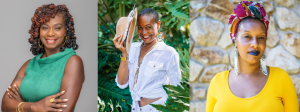
Q: This year, the expo focuses on three Black women leading in reproductive health. Why is it important to feature these specific leaders right now?
Michelle Mckoy: While my colleagues each support different key areas within the reproductive health space, my own 20-year lived experience with infertility shapes my specific focal point and mission.
Infertility affects 1 in 6 individuals, yet it carries a heavy stigma and is often navigated in silence. The challenge to conceive and bring a child into the world is never taken for granted, and achieving that desire brings immense joy. However, we cannot dismiss the integrated support, education for self-advocacy, and vital mental health guidance required at every stage of this journey.
Q: You founded this event after a 20-year personal journey with endometriosis. How does your own experience shape the schedule and focus of the expo?
Michelle Mckoy: My professional passion stems from my own personal journey navigating severe pelvic pain, a stage 4 endometriosis diagnosis, miscarriage, depression, complex cultural nuances, multiple surgeries, and two failed IVF transfers. After working with a fertility coach, I was ultimately able to give birth via an emergency c-section at the age of 50.
This lived experience gives me a deep understanding of how infertility awareness, integrative medicine, maternal health, and femtech all play a vital role in the reproductive health conversation. Every fertility journey is unique, and our goal is to provide tailored support and keep hope alive for others.
Q: The event covers integrative medicine alongside traditional treatments. How does this combined approach help patients manage chronic pain and infertility?
Michelle Mckoy: I believe the combination of traditional and integrative medicine gives patients a more complete approach to managing chronic pain and infertility. My research and work in fertility education have shown me that patients often need more than medical treatment alone—they also need support with nutrition, stress, emotional well-being, lifestyle, and navigating complex healthcare decisions. Integrating these approaches can empower patients to become more informed, feel more supported, and work collaboratively with their healthcare providers to develop a care plan that addresses the whole person, not just the diagnosis.
Q: The expo returns to the Urban League of Broward County after a year-long break. What new resources or discussions are you introducing for attendees?
Michelle Mckoy: Next year, we're returning with an even broader focus on the fertility journey. We're introducing more resources around fertility education, fertility preservation, IVF financing and access to care, as well as the connection between fertility, chronic conditions, and overall health. We're also creating space for conversations about fertility equity and the unique challenges Black and Brown communities face when accessing reproductive healthcare. Most importantly, attendees will have the opportunity to connect directly with fertility professionals, community health resources, and organizations that can help them move from simply understanding their options to taking meaningful action.
Q: What advice do you give to women who feel dismissed or unheard when seeking treatment for reproductive issues?
Michelle Mckoy: My advice is to trust your instincts and advocate for yourself. If you feel that something isn't right, don't be afraid to ask questions, request additional testing, seek a second opinion, or find a provider who truly listens to you. I also encourage women to educate themselves about their bodies and their reproductive health so they can feel more confident participating in their care. No one should feel dismissed or unheard when it comes to their health. Your concerns are valid, and you deserve to have a healthcare team that listens, respects your voice, and works with you to find answers.
Our discussion made it clear that improving maternal health requires direct action and accessible resources. The Florida Fertility Expo provides a necessary platform for patients to find support, explore treatment options, and connect with medical professionals who understand their specific needs. By centering Black women in reproductive health, the event ensures that diverse voices guide the conversation.
The need for accessible and competent reproductive care will continue to grow. Events like the Florida Fertility Expo offer a practical way to educate patients and connect them with real solutions. As the medical community works to close the gap in maternal health outcomes, this event provides a clear path forward for families seeking guidance.
To learn more visit http://www.floridafertilityexpo.com/