Many modern societies celebrate youth while overlooking the immense value of experience. As people live longer, millions face forced career departures, loss of income, and a shrinking sense of purpose. This widespread ageism creates severe economic inefficiencies, leaving experienced professionals disconnected from the workforce while companies lose critical institutional knowledge.
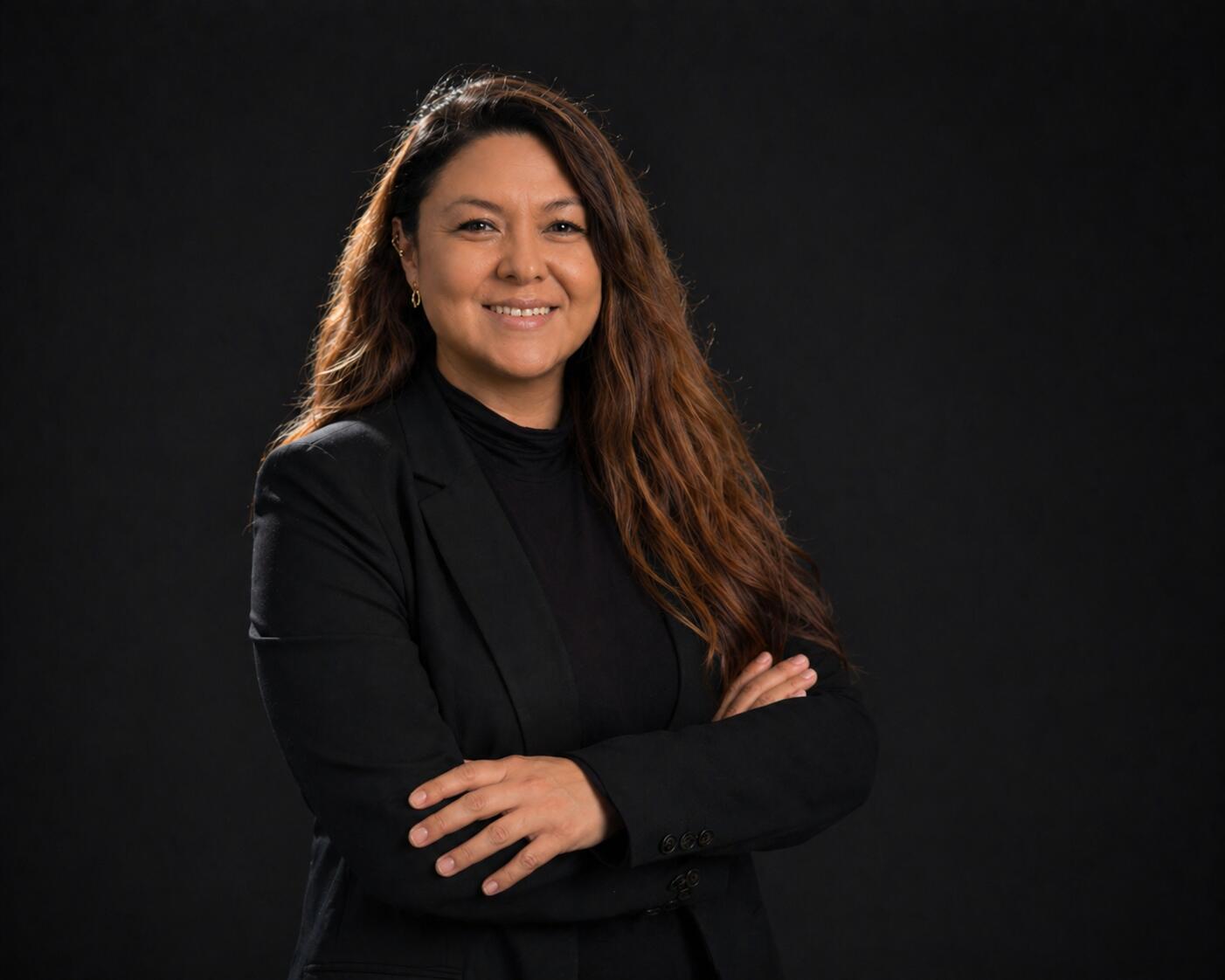
Catalina Santana, co-founder and CEO of 101ideas, created a direct framework to solve this challenge. Inspired by a personal family crisis when her mother suffered a career-ending accident, Santana built 101ideas to transform aging into a source of innovation and economic growth. In this interview, Santana discusses how businesses can integrate generational diversity, foster intergenerational collaboration, and reframe longevity as a driver of workforce productivity.
Q: Your journey began after a personal crisis when your mother lost her ability to work. How did that experience expose the broader systemic issues surrounding age and employment?
Catalina Santana: My mother’s experience helped me understand that losing a job after the age of 60 in Colombia does not simply mean losing an income. It can also mean losing one’s identity, autonomy, social connections, and sense of purpose.
After her accident, the labor market stopped recognizing everything she still had to offer. But it was not only the labor market: society also stopped seeing her as a person with abilities, dreams, and a purpose. That was structural ageism. Although her experience remained intact, the country and the system seemed to have no place for her.
That experience led me to understand that we were not facing an individual problem, but a systemic failure. Millions of people reach their 50s or 60s with knowledge, networks, sound judgment, and productive capacity, yet they encounter organizations designed around an overly narrow view of working life.
We do not think in terms of the life course. Instead, we view life as fragmented, as though after a certain age we stop mattering, even though we are still here, with abilities, aspirations, and a desire to contribute.
Ageism (the discrimination and self-discrimination people experience because of their age) does not only create unconscious bias. It also produces an enormous economic loss, particularly in a context of demographic transformation. Individuals lose opportunities, self-esteem, and income; companies lose institutional knowledge; and countries fail to harness a growing share of their accumulated knowledge, one of humanity’s greatest forms of social capital
That is why we created 101ideas. Our purpose is to demonstrate that age is not a limitation to be managed, but a source of value that can be unlocked. Longevity represents one of the greatest strategic opportunities for development and competitiveness of our time.
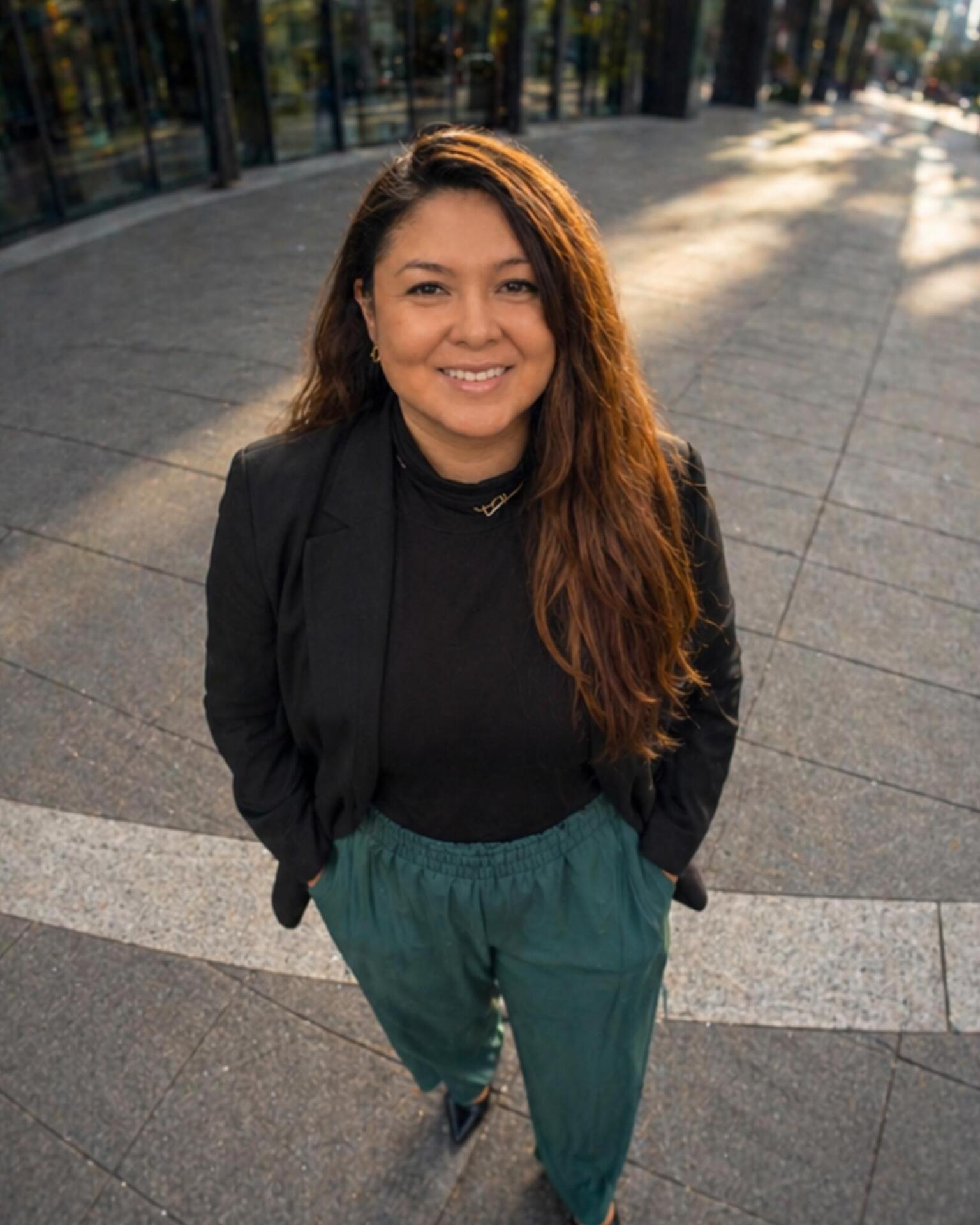
Q: 101ideas evolved from a small community into an initiative impacting more than 70,000 people across Latin America. How does your organization turn age into a competitive advantage for businesses?
Catalina Santana: We help organizations move from a broad conversation about inclusion to a concrete competitiveness strategy.
Generational diversity does not create value automatically. To become a true competitive advantage, it must be connected to business challenges and clearly defined strategic priorities: productivity, innovation, talent retention, knowledge transfer, customer experience, and adaptation to demographic change.
At 101ideas, we work both inside and outside organizations. Internally, we analyze practices related to talent attraction, development, leadership, career transitions, and retirement. We also design intergenerational mentoring models and mechanisms to prevent critical business knowledge (the organization’s know-how) from disappearing when someone leaves.
Externally, we help companies better understand older consumers and design products, services, and experiences that reflect longer lives. We do this by applying the principles of universal design and direct co-design with people from this market segment.
We also believe it is essential for companies to develop metrics in this area. We need to quantify an organization’s ability to transform years of accumulated knowledge into better decisions, lower turnover, greater innovation, stronger trust, and improved results.
The true competitive advantage emerges when experience is no longer viewed simply as tenure and begins to be managed as strategic capital.
Q: Many companies in the US and Latin America struggle to manage multigenerational workforces. What concrete steps should employers take to attract, integrate, and retain professionals over the age of 50?
Catalina Santana: The first step is to review talent processes through a “stage, not age” lens, a concept developed by Susan Wilner Golden.
This approach recognizes that two 55-year-olds may have completely different aspirations, family responsibilities, capabilities, and career paths. Designing policies solely around chronological age creates stereotypes and leads to poor decisions.
Second, companies should remove age-related references and restrictions from their recruitment processes. This includes arbitrary limits on years of experience, expressions such as “young and dynamic,” biases against career breaks, and the assumption that an older person will struggle to learn or use technology.
It is also essential to create more flexible career paths within organizations. We need to understand that not everyone is seeking a vertical promotion. Some people want to lead projects, become mentors, move into a different role, work more flexibly, or prepare for a gradual transition into a new professional, personal, or family stage.
Finally, I recommend measuring what is happening and asking the right questions: Who receives training? Who gets promoted? At what ages do people leave the organization? What knowledge is lost when they leave?
Asking the right questions is essential, because what is not measured cannot be improved. However, what is measured incorrectly can also become distorted.
Companies need talent systems capable of recognizing skills and potential at every stage of life. This will become increasingly important, because one of the greatest corporate challenges in the coming years will be the shortage of available talent and the lack of generational replacement.
Q: You advocate viewing the silver economy through the lens of economic opportunity rather than social welfare. Why is this mindset shift essential for corporate leaders?
Catalina Santana: Because when we look at longevity only through the lens of vulnerability, we stop seeing people as individuals and begin to see only the burden of their needs on different systems.
In the context of demographic change, it is essential to understand that older adults are neither a homogeneous group nor an exclusively dependent population. They are not a niche market either. They represent a growing share of the economy and offer a glimpse into the future of society as a whole.
Older adults are employees, entrepreneurs, caregivers, consumers, investors, family leaders, and decision-makers. In other words, they are just as diverse as any other segment of the population. They have specific needs, but they also bring knowledge, assets, purchasing power, and significant influence across generations.
For businesses, longevity is reshaping both the market and the workforce at the same time. It is changing who buys, how financial decisions are made, what learning looks like, how care is organized, and how long professional careers can last.
Moving from a welfare-based perspective to an economic one does not mean overlooking inequality or the different forms of vulnerability people may face. It means recognizing that sustainable solutions must combine protection, autonomy, and meaningful economic participation.
The question leaders should be asking is no longer, “What are we going to do about an aging population?” but rather, “What products, jobs, services, and business models should we create for a society in which all of us will live longer?”
Q: As the representative for the Certified Age-Friendly Employer (C.A.F.E.) program in Colombia, what role do standardized certifications play in eliminating workplace ageism?
Catalina Santana: Certifications are important because they turn good intentions into verifiable commitments.
Many organizations claim to value generational diversity, but when we examine their practices, we often find barriers in recruitment, training, promotion, access to technology, workplace flexibility, and career transition or retirement processes.
The C.A.F.E. certification makes it possible to assess these practices against an international standard. It is not simply about earning a seal. It is about reviewing evidence, listening to employees, identifying gaps, and developing an improvement plan.
The certification also sends a clear message to the labor market: this is an organization where experience at every stage of life is valued and where people can continue learning, contributing, and growing, regardless of their age.
Without measurement, inclusion may depend solely on the commitment of an individual leader. With clear indicators, accountability, and evaluation processes, it becomes an institutional capability and helps close the gap between what companies say and what they actually do.
Certification alone will not eliminate ageism, but it provides organizations with a structured framework to recognize it, measure it, and address it consistently.
Q: Looking ahead at global workforce trends, how can organizations prepare for an increasingly long-lived population and design career paths that span multiple generations?
Catalina Santana: Organizations need to move away from the traditional idea of a linear career built around three fixed stages: education, work, and retirement.
Longer lives require professional journeys that include multiple cycles of learning, reinvention, leadership, caregiving, entrepreneurship, and transition.
This means designing more flexible, modular career paths. A person may lead a team at one stage, later become a mentor, contribute to specific projects, update their skills, start a business, and eventually return to an organization. The boundaries between learning, working, and retiring will become increasingly fluid.
We also need to rethink professional development. Training cannot be concentrated only in the early decades of a person’s career. Companies will need to provide lifelong learning opportunities that are accessible to employees of all ages and support continuous upskilling and reskilling.
Intergenerational collaboration is another essential element. It is not about one generation teaching while another simply learns. Every generation brings different and complementary forms of knowledge.
Innovation happens when technological expertise, experience, fresh perspectives, and a deep understanding of context come together.
Companies that understand this transformation will not only retain talent more effectively. They will also become more resilient, better understand their customers, and be better prepared to compete in an economy shaped by longer lives.
Reframing longevity requires moving past outdated retirement models and recognizing the economic power of older adults. Through structured corporate consulting, digital literacy programs, and intergenerational mentoring, 101ideas demonstrates that experienced professionals are essential to business growth. Treating age as an asset strengthens organizational resilience, fuels innovation, and protects institutional knowledge.
As life expectancy rises worldwide, forward-thinking organizations must adapt to a multigenerational reality. Companies that embrace age inclusion will secure a distinct competitive edge in talent retention and market relevance. Building workplaces that offer dignity, purpose, and opportunity at every stage of life is both an economic necessity and a practical business strategy.
To learn more visit https://www.101ideas.co/
English Version of the website can be accessed at https://www.101ideas.co/home-1
Follow Catalina Santana on Social Media:
Facebook: https://www.facebook.com/profile.php?id=61589134684707