Official Statement via @BabyPipSquirrel on X
June 16, 2026
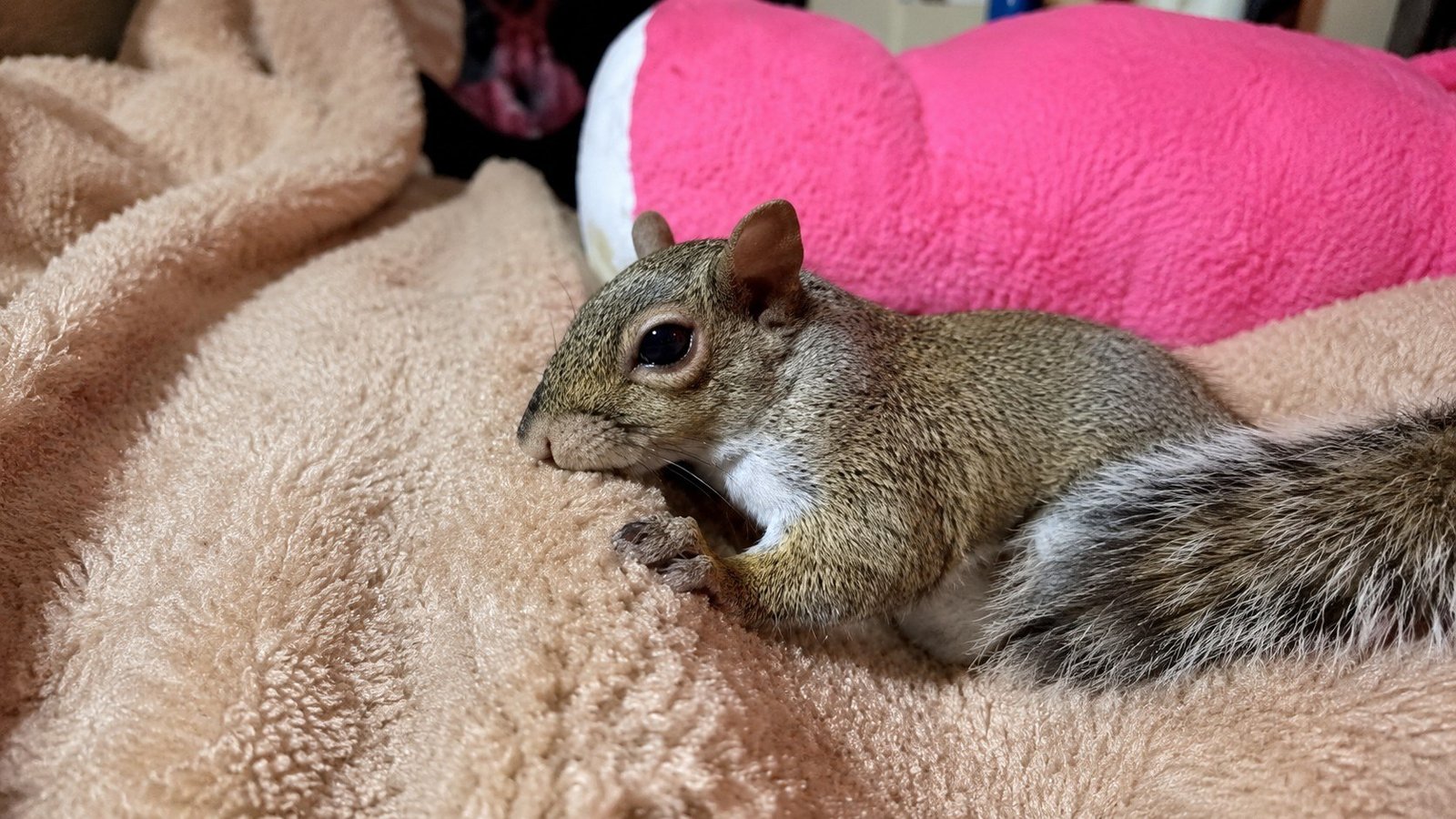
In a development that has sent shockwaves through the online animal lover community, authorities have seized Pip Jenkins — the beloved baby squirrel who inspired one of social media’s most heartwarming rescue stories — citing rabies concerns and alleged violations of wildlife possession laws. The news was first shared directly from the official X account @BabyPipSquirrel, which has served as a hub for updates on the rescue’s work. Pip, born on August 1, 2017 (D.O.B. 8/1/17), rose to fame as a tiny orphaned squirrel rescued and hand-raised with exceptional care.
What began as one squirrel’s journey blossomed into a full-scale squirrel rescue operation run by Pip Jenkins. With over 161,000 followers on Instagram (@pipthebabysquirrel) and a massive presence on TikTok, the account features thousands of posts showcasing adorable rescues, rehabilitation stories, baby squirrel antics, and educational content about wildlife care.
Pip himself became a gentle ambassador, often seen interacting sweetly with his human caregivers, other rescued squirrels like Grace, and even engaging in playful moments that have melted millions of hearts worldwide.
The rescue emphasizes kindness, proper rehabilitation, and releasing animals when possible, while providing lifelong sanctuary for those unable to return to the wild. Their content highlights everything from bottle-feeding newborns to treating injuries and creating enriching enclosures — all aimed at promoting compassion and awareness for native wildlife.
Details of the Reported Seizure
According to the emotional update posted by @BabyPipSquirrel, government officials arrived at the rescue facility earlier today following anonymous complaints. Officers reportedly cited unlicensed possession of wildlife and potential public health risks related to rabies. Pip and several other resident squirrels were taken into custody for observation and mandatory rabies testing protocols.
The post read in part:
“With the heaviest of hearts, we share that our beloved Pip and other rescues have been seized by authorities for rabies testing and review of our wildlife care permits. This mirrors the heartbreaking Peanut the Squirrel incident. Pip has lived a safe, loved life since 2017, bringing joy and education to so many. We have always operated with transparency, prioritizing the animals’ welfare. We are cooperating fully while seeking legal guidance. Please keep Pip and our team in your thoughts — stay peaceful and kind. #FreePipTheSquirrel”
Parallels to the Peanut the Squirrel Incident
This event draws strong comparisons to the October 2024 seizure of Peanut the Squirrel in New York. Peanut, another social media star with hundreds of thousands of followers, was confiscated by the New York State Department of Environmental Conservation (DEC) along with his raccoon companion Fred after complaints about illegal wildlife possession. Peanut was euthanized shortly afterward for rabies testing following an alleged bite during the operation. Tests later confirmed he was negative for rabies, fueling widespread criticism of government overreach, lack of due process, and rigid application of wildlife laws.
The Peanut case highlighted tensions between animal enthusiasts running informal rescues and strict state regulations. It even inspired proposed legislation like “Peanut’s Law” in New York, which would introduce waiting periods before euthanizing animals from sanctuaries.
Relevant Wildlife and Rabies Laws in the U.S.
In most U.S. states, including those where squirrel rescues operate, it is generally illegal to keep native wildlife like squirrels as pets without proper permits or licenses from state wildlife agencies. These laws aim to protect both animals (preventing improper care or habituation) and public health.
- Possession Permits: Many states require specific rehabilitation or educational permits. Unlicensed possession can lead to seizure of animals.
- Rabies Protocols: While squirrels and small rodents are considered low-risk for rabies transmission in the U.S. (with very few documented cases), officials often follow precautionary guidelines. If there is any potential exposure risk — especially involving animals that interact with humans — agencies may require euthanasia and brain tissue testing, as no reliable live-animal rabies test exists. High-risk species like raccoons trigger stricter rules.
dshs.texas.gov - Variations by State: Regulations differ widely. Some states allow limited rehabilitation with oversight; others enforce zero-tolerance policies on unlicensed keeping of wildlife. The Peanut incident underscored how social media visibility can sometimes trigger enforcement actions based on public tips.
Animal advocates argue these laws, while well-intentioned for protecting biodiversity and preventing disease spread, can be applied too harshly against dedicated rescuers who fill gaps left by overwhelmed official shelters.