Dallas, Texas – June 4, 2026
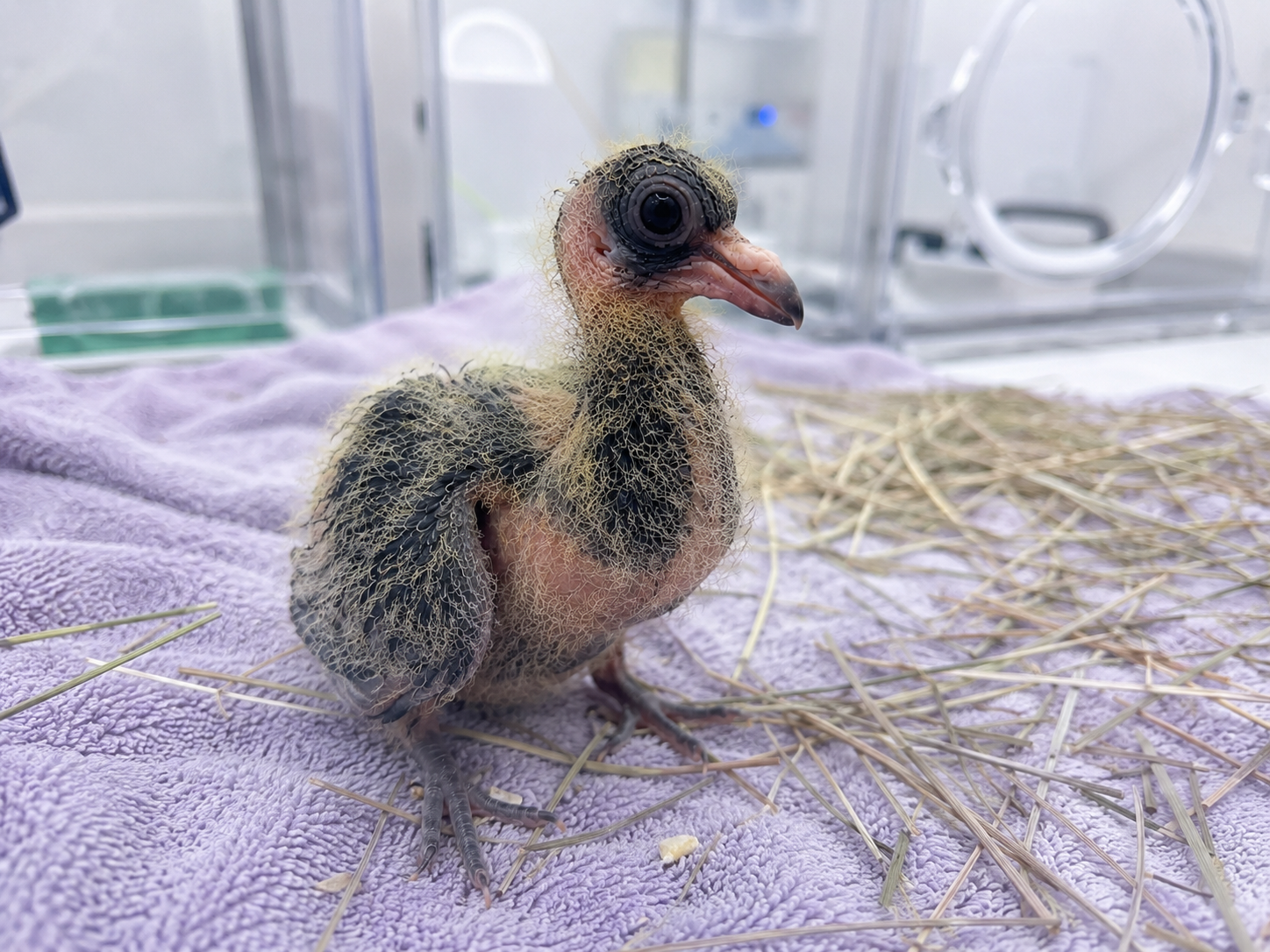
The iconic dodo bird, extinct for nearly 350 years, has returned to life. The groundbreaking announcement first broke today on X via Matt James, Chief Animal Officer at Colossal Biosciences. Matt James (@MattJamesCAO) Tweet (posted earlier today):
“History made. Our team has successfully hatched the world’s first de-extinct dodo bird chick — we’ve named her Peppa! Healthy, strong, curious, and full of life. This is just the beginning. Full details, images, and video from Colossal coming very soon. #DodoReturns #PeppaTheDodo”
The Dodo Bird: A Symbol of Loss and Now Revival
The dodo (Raphus cucullatus) was a large, flightless bird unique to the island of Mauritius in the Indian Ocean. Evolved from pigeon-like ancestors that arrived millions of years ago, it became perfectly adapted to its isolated paradise with no natural predators.
- Physical Traits: Adults stood about 62–75 cm (2–2.5 feet) tall and weighed 10.6–17.5 kg (23–39 lbs). They featured brownish-grey plumage, a large hooked beak (black, yellow, and green), small vestigial wings, sturdy yellow legs, and a distinctive curly tuft of tail feathers. Modern science shows they were far more agile and intelligent than the clumsy “stupid bird” myth suggested.
- Lifestyle: Omnivorous, they fed on fruits, seeds, and possibly small invertebrates, using gizzard stones for digestion. They nested on the ground, laying a single egg, and thrived in Mauritius’s forests and lowlands.
- Extinction: European sailors (Portuguese ~1507, Dutch from 1598) hunted them, destroyed habitats, and introduced invasive species (rats, pigs, cats, monkeys) that devoured eggs and chicks. The last confirmed sightings were around 1662, with extinction likely complete by ~1690. The dodo quickly became the universal symbol of human-caused extinction.
Colossal Biosciences: Leaders in De-Extinction
Colossal Biosciences is a pioneering biotechnology company dedicated to reviving extinct species and advancing conservation through cutting-edge genetic engineering. Founded to tackle biodiversity loss, Colossal is actively working on multiple de-extinction projects including the woolly mammoth, dire wolf, thylacine (Tasmanian tiger), and the dodo. Using CRISPR gene-editing, ancient DNA reconstruction, primordial germ cell technologies, and surrogate parenting systems, the company aims not only to bring species back but to develop tools that help protect endangered animals today.
Why This Is Monumental News
The successful hatching of the first de-extinct dodo chick — named Peppa — represents one of the most profound scientific achievements in modern history. It proves that extinction is not necessarily permanent. This breakthrough could:
- Restore lost biodiversity and ecosystem functions.
- Drive advances in genetics, synthetic biology, and veterinary science with applications for living species.
- Spark global conversations on conservation ethics, rewilding, and humanity’s responsibility for past environmental damage.
- Inspire a new era where science heals what humanity once destroyed.
Colossal Biosciences is expected to release additional images, scientific data, and official statements imminently.